

WRITER – NILOBRATA RAKSHIT
EDITOR – ARPITA JENA
I still remember the exact moment it all began: seven years ago, a random video showed up on YouTube. It was Blackpink singing “Playing with Fire.” I didn’t know who they were, what they were saying, or why the crowd was yelling. But I did watch. And watched again. And then watched everything they had ever posted. I went to bed at 4 a.m. that night. There was a change. I had fallen into a new world. K-Entertainment: a world I didn’t know I needed. At the time, it was just a question. It’s a part of who I am now.
● The Magic of K-Pop
My first love on this journey was K-pop. The performance is what draws you in at first—the synchronised dance, the stunning visuals, and the live vocals that will leave you speechless. But your heart is what keeps you there. These idols don’t just act. They tell stories, set examples, and live through hard times. They were my way out, my hype squad, and sometimes even my therapist. I could relate to their problems, their hard work, and their determination.
The K-pop scene is full of new energy in 2025. It’s exciting to see STAYC get better with each comeback, LE SSERAFIM build their own identity, and BABYMONSTER get more attention. It really does feel strange that all of them are on tour this year. Just the thought of seeing them live, dancing and singing in front of me, makes my heart race. BLACKPINK’s world tour is still going on, and they’re not just idols anymore; they’re icons. The fan chants, the sea of lightsticks, and the energy between the group and the crowd are all one-of-a-kind. It’s not a concert; it’s a homecoming
● The Pulse of K-Dramas
K-dramas became my solace, while K-pop stoked my passion. Before I knew it, I had binge-watched Goblin, Crash Landing on You, Itaewon Class, and Twenty-Five Twenty-One after I had begun watching Descendants of the Sun. Each show had a unique flavour that drew me in; some made me laugh until I started crying, while others unexpectedly broke my heart. K-dramas are more emotionally honest than many Western television programs. Whether it’s friendship, family, romance, or even grief, I didn’t merely observe
I could feel the characters. They taught me that healing takes time, that it’s acceptable to be vulnerable, and that sometimes it takes courage to simply survive. Fans have known for years that K-dramas are more than just “cute love stories,” and Squid Game’s worldwide success confirmed this. They are fearless, political, passionate, and frequently profoundly philosophical.
● Deeply Impactful Film
I will always remember watching Parasite in my own makeshift theatre with my family, who all gasped, laughed, and fell silent at the same times as me. That is Korean cinema’s power. It is emotionally complex, genre-defying, and unpredictable. These films make an impression, whether it’s through the emotional depth of Broker, the social critique in Parasite, or the eerie beauty of Oldbury. Their purpose is to make you think. And I admire that. There’s an artistry in Korean filmmaking that I rarely find elsewhere.
● Variety Shows as Laughter Therapy
Variety shows like 2 Days & 1 Night, Running Man, and Knowing Bros. are my saving grace on my worst days. They’re hilarious, chaotic, and incredibly genuine. It’s strangely therapeutic to watch celebrities make mistakes during games, show off their eccentricities, or make fun of one another. It’s similar to belonging to a large, strange, and affectionate group of friends. I developed a greater appreciation for the people behind the stage personas as a result of these performances. The bond is strengthened by getting to know idols off-stage and learning about their passions and fears. It’s amusing how someone who lives thousands of miles away can seem like an old friend.
● The Truth About the Glamour
However, when you love K-Entertainment, you also begin to see the dark side of things. Children as young as 12, train for years with no guarantees under the cruel trainee system. Idols have to put up with crazy schedules, harsh criticism, and almost no privacy. I’ve seen them break under pressure—cancellations, breakdowns, even devastating losses. I was reminded by these instances that these are not super humans. These young individuals sacrifice their regular lives in order to pursue their dreams, both for themselves and for us. Fan support is very important in this community because of this. Protecting and honouring them as artists and people is more important than yelling at a concert.
● Looking Ahead
My heart still races when a teaser is released, even after seven years. For comeback livestreams, I continue to stay up past midnight. Every time an idol does something silly on a show, I still grin like a child. That thrill? It was always there. They are still at the top of my Korean interest rankings, and STAYC AND SEVENTEEN have become everything to me. I am aware that this journey is far from over because K-pop is becoming even more global, virtual idols are becoming a reality, and new talents are emerging annually. And I’m happy about it. Because K-Entertainment has transformed me and is more than just something I consume. It made me feel more connected, more open, and more emotional. It is no longer an escape. It’s a fact of my life. In all honesty, I wouldn’t tolerate it at all.
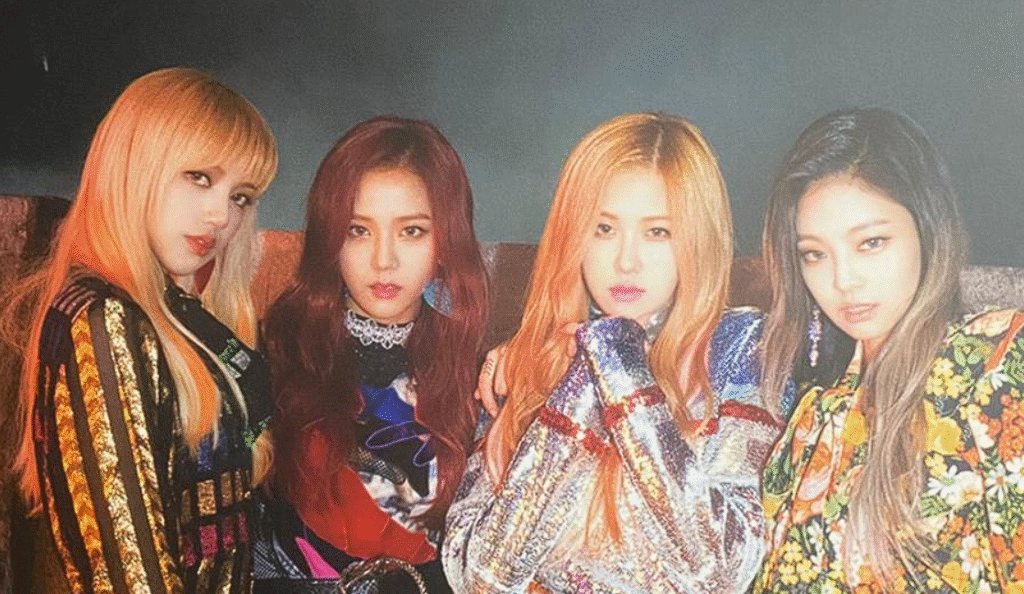
Credit- www.soompi.com
Share it with your friends and family :