WRITER – PRAYASHI PRADHAN
EDITOR- ARPITA JENA
After World War II and Korean War, Korea is divided into two countries i.e. North Korea and South Korea due to conflicts and foreign interventions. Since then, South Korea has developed rapidly through economic development and advance technologies.
South Korean popular culture known as K-culture has gained recognition worldwide revamping in terms of entertainment and consumer markets. Now a days, this country is well liked through k-pop, K-dramas and K- beauty. With government support and proper marketing strategies, the country has transformed itself into a cultural hub.
K-pop:
Korean pop music or K-pop’s success is the result of an innovative training system which includes singing, dancing and language training that grooms the idols. These artists become not just musicians but a complete entertainment brands with their fashion, stunning tunes and synchronized choreography.
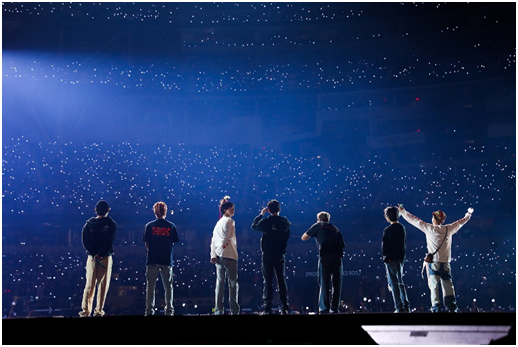
There are so many popular k-pop groups viz. BTS, BLAKPINK, EXO, TWICE and so on. BTS, also known as Bangtan Sonyeondan, explicitly has become global icons for their music, dynamic performances and meaningful lyrics. They are also breaking records by spreading messages of self-love, Korean culture, performing at Grammys and even speaking at the United Nations.
K-Dramas:
Korean dramas are popular television series streaming on platforms like Netflix, Viki and Disney+. They often showcase themes related to love, family, friendship, ambition and mystery with a mix of romance, comedy, thriller and fantasy. Boys Over Flowers paved the way but recent hits such as Crash Landing on You, Goblin, Itaewon Class, Descendants of the Sun, and All of Us Are Dead to have gained massive international audiences. Netflix’s Squid Game became the most-watched series of all-time which has led to international collaborations, remakes and increasing investments. The dramas consist of 16 to 20 episodes and are usually structured with good scripts, plot twists and quality acting explaining the growing popularity.Films such as Parasite and Minari have also won major international awards.

K-Beauty:
Korean beauty is a cosmetic and skincare trend that has redefined beauty standards and routines for their gentle ingredients, innovative formulations, technology, attractive packaging, branding and affordability. It is a multistep skincare routine emphasizing hydration, sun protection, anti-aging and a healthy glowing complexion – often referred to as “Glass Skin”. Innovative products like essences, sheet masks, cushion compacts and snail mucin serums are all popularized by Korean brands. Brands like Laneige, Innisfree, Sulwhasoo, and COSRX have gained recognition in international markets.
The Role of Government and Technology:
The Ministry of Culture, Sports and Tourism provides funding, training, and marketing support to promote the K-culture. The rise of K-culture is due to South Korea’s high-tech infrastructure and its adoption in digital platforms like YouTube, Twitter, Instagram, TikTok and Weverse and also engaging fans through live streams, vlogs etc.
CONCLUSION:
K-culture is a dynamic phenomenon that has transformed South Korea into a cultural powerhouse that inspired millions around the world to embrace its language, lifestyle, and values. As K-pop idols perform on international stages, K-dramas trend worldwide, and K-beauty continues to redefine skincare, it’s clear that K-culture isn’t just a wave but it’s a tide that’s reshaping the world.
Share it with your friends and family :
My brother suggested I would possibly like this web site. He was once totally right. This post truly made my day. You can not believe just how much time I had spent for this information! Thank you!
Hi, Neat post. There’s a problem with your website in internet explorer, would check this… IE still is the market leader and a good portion of people will miss your excellent writing due to this problem.