
WRITER – PRAYASHI PRADHAN
EDITOR – ARPITA JENA
South Korea is a place where modern life blends seamlessly with tradition. It is home to architectural treasures that reflect its cultural heritage, particularly the Hanok. These traditional Korean houses are known for their fine craftsmanship, natural materials, and their harmonious fit with the environment. Hanok homes use materials such as wood, stone, clay, and paper. They are designed to reflect Confucian values and the Korean belief in living in harmony with nature.
Key features of Hanok include Ondol, an underfloor heating system that keeps the home warm; Giwa roof tiles, which are the dark grey curved tiles used for roofing; Maru, which are wooden verandas or open hallways that connect rooms and allow for ventilation; and Hanji, the traditional Korean paper used on windows and doors, offering privacy and soft light. Typically, Hanok homes are single-storey structures with curved roofs, wooden beams, and courtyards that provide both beauty and comfort.
Top Hanok villages to visit in Korea:-
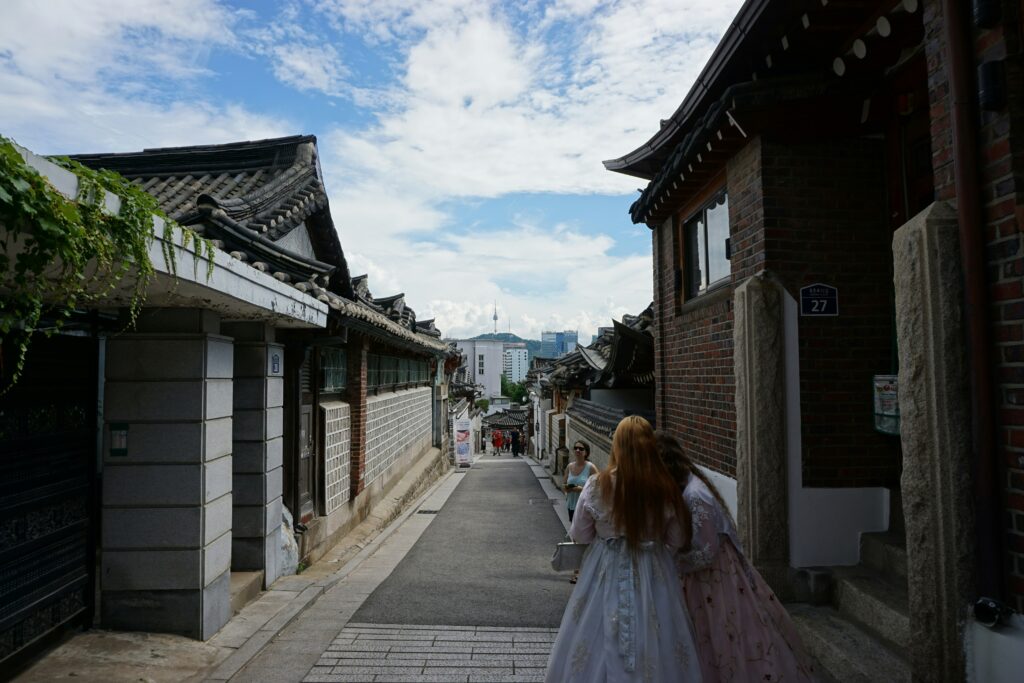
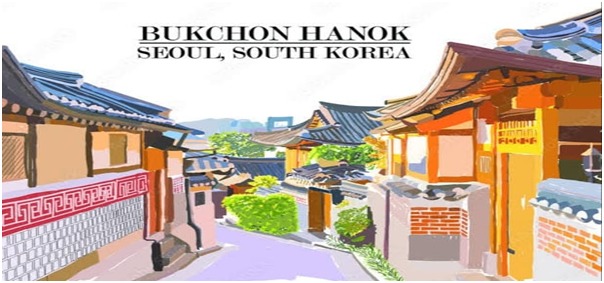
1. Bukchon Hanok Village, Seoul – The most renowned Hanok village located between Gyeongbokgung and Changdeokgung Palaces. Narrow alleys lined with over 900 Hanoks are preserved which are used as tea houses, guest houses, or galleries.
2. Jeonju Hanok Village, Jeonju – Korea’s largest Hanok village preserved with over 700 traditional houses seamlessly combines historical charms with modern tourism. Jeonju, the birthplace of Bibimbap, is also best for Korean liquor named ‘Makgeolli (rice wine), traditional performances and festivals, craft shops and Hanbok (Korean traditional dress) experiences. The main highlight of Jeonju is the Gyeonggijeon Shrine which portrays King Taejo-the founder of the Joseon Dynasty.
3. Andong Hahoe Folk Village, Andong – A UNESCO World Heritage site that offers a rural and authentic Hanok experience. Surrounded by rivers and mountains, this village is preserved for traditional mask dances, Confucian academics and local foods like Andong jjimdak (braised chicken) and salted mackerel.
4. Yangdong Folk Village, Gyeongju – Another UNESCO World Heritage site preserved with over 160 Hanok houses. Yangdong is less commercialized and less crowded representing the architectural structure of a typical Joseon-era clan village. Historic houses like Bugyeongdang and Mucheomdang were built by Confucian scholars.
5. Namsangol Hanok Village, Seoul – Located at the foot of Namsan Mountain. It consists of five fully reconstructed buildings. It is best known for weekly cultural programs, tea ceremonies, martial arts and traditional games like Tuho (arrow throwing).
Etiquette While Visiting Hanok Villages: –
It is essential to respect the cultural and residential nature of Hanok villages. Many Hanok areas are residential so it is important to keep the voice down. It is inappropriate to enter private homes unless invited or marked as open to the public. A person has to dress modestly when participating in traditional ceremonies or visiting shrines. Additionally, it is always mandatory to seek consent before taking photos of residents or the elderly.
Things to be mindful for a pleasant and comfortable Hanok stay: –
The floors can get quite cold in winter so, it is necessary to wear warm clothes while staying in a Hanok. Hanoks often have low doorways and minimalist interiors. Thus, a person needs to avoid bringing bulky luggage and be prepared to remove shoes indoors. Most importantly, the atmosphere can be reflective, peaceful and relaxed by embracing the stillness of Hanok life.
CONCLUSION:-
South Korea’s Hanok village offers a doorway into a different facet of Korean identity. As this country continues to modernize rapidly, the preservation of Hanok villages emphasizes the value of tradition in an ever-changing world. Visiting these places isn’t just about sightseeing or as tourist destinations – it’s about connecting with the soul of South Korea.
Share it with your friends and family :