
Writer: HARDESH NARANG
Editor: SHIVRAJ PATEL
Architecture is a fascinating blend of art and science, encompassing the design, planning, and construction of buildings and other structures that shape our built environment. From ancient temples to modern skyscrapers and sustainable homes, architectural forms reflect and influence culture, technology, social structures, and our understanding of the world. So why not we take a look into south Korean architecture and see how it displays its tradition and scientific advancements through its buildings and monuments.
Korean architecture boasts a rich and fascinating history spanning thousands of years, reflecting the nation’s evolving culture, religious beliefs, political landscapes, and technological advancements. Its story unfolds across several distinct periods, each leaving its mark on the built environment
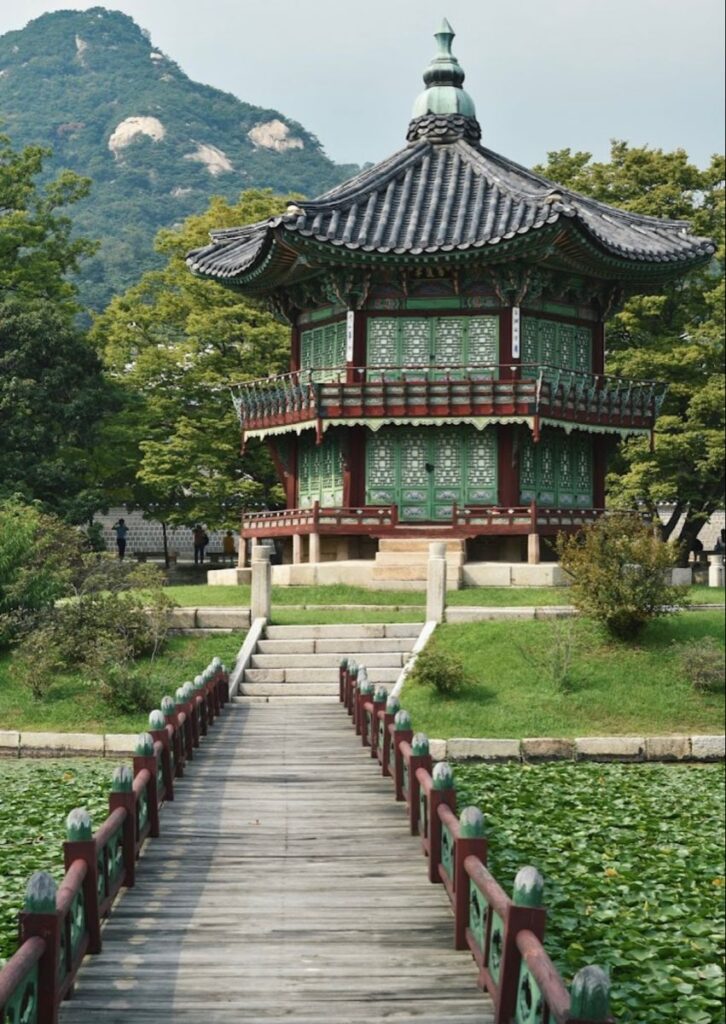
Traditional korean architecture can be traced back to the Neolithic and Bronze Agestill the start of urbanization after the korean war (1950-1953).Traditional Korean architecture emphasizes on few key points which includes connection with nature, simplicity and balance and use of natural materials. Traditional Korean architecture, unlike some other East Asian styles, prioritizes harmony with the natural surroundings. Buildings are often designed to blend with the landscape, incorporating natural features into the overall design.
In rural areas of korea one can find houses with big lawns and gardens with a lot of plants and trees with fruits, this creates a relationship between the nature and resident and creates a positive attitude and is believed that it keeps illness away from the household.Aesthetic principles emphasize simplicity and a quiet inner harmony, avoiding extremes in form and color. This creates a balance of positive attitude and is said to maintain peace between the residents. Natural materials like wood, stone, and clay are frequently used, reflecting a connection with the natural world.
Another prominent part of Korean architecture is ‘ondol’ the underfloor heating system that circulates warm air from a fireplace, and it remains popular in modern homes. Traditional Korean architecture can be clearly seen in monuments including palaces, temples, and distinctive homes known as Hanok.
Notable examples include thegrand Gyeongbokgungand Changdeokgung palaces, the serene Bulguksa Temple, and the fortress of Hwaseong. These structures showcase a harmonious blend of nature and architecture, often utilizing natural materials and incorporating elements like the ondol underfloor heating system.
Modern Korean architecture is characterized by a blend of traditional design principles and innovative, contemporary approaches. It often features sleek exteriors incorporating elements of Hanok architecture, highlighting simplicity and functionality. This style also prioritizes harmony with nature, using natural materials and designs that integrate the building with its surroundings. What differs the modern architecture is the sleek exteriors, technological integrations and multidisciplinary approach, with the help of these principles Koreans are able to create jaw dropping architectural creations such as:
- The Ga On Jai House, a house designed by IROJE KHM Architects in South Korea, featuring a modern interpretation of traditional Korean architectural elements, which reinterprets hanok structure for modern urban living
- Rock It Suda House,designed by Korean architect Moon Hoon, is a set of uniquely designed guesthouses that blend surrealism (an artistic and literary movement that originated in Europe in the aftermath of World War I) with traditional motifs
- YeouidoSaetgang Bridge, a pedestrian bridge known for its flowing, organic structure that blends the Han River landscape,The bridge is a cable-stayed structure with a semi-fan system. It has concrete piers, steel bridge pylons, and a distinctive S-shaped curve.
- Dongdaemun Design Plaza (DDP) in Seoul, designed by Zaha Hadid, portraying futuristic architecture mixed with Korean spatial fluidity, it is the center of attention for South Korea’s fashion hub and popular tourist destination
- Seoul city halldesigned by iArc Architects, features a modern glass structure that contrasts with the older colonial-era building it incorporates. It is a community center containsmultipurpose halls and cultural facilities for citizens.
These buildings do not merely serve practical functions; they act as cultural statements, showing how Korea preserves its rich architectural legacy while leading in global design innovation.
Korean architecture is a powerful testament to the country’s ability to balance tradition and innovation, spirituality and functionality, and nature and technology. From the earth-sheltered homes of ancient farmers to the glass-and-steel skyscrapers of Seoul, Korean architectural evolution reflects the resilience, creativity, and cultural depth of the Korean people.
Whether seen in the gentle curves of hanok roofs or the bold silhouettes of modern buildings, the enduring theme remains the same: architecture is a dialogue with nature, a mirror of society, and a bridge across generations and Korean architecture is a perfect example of this.
With that being said, let’s wrap up for now and see you all next time with some another topic to share.
Share it with your friends and family: