WRITER: ARCHANA K
EDITOR : SHIVRAJ PATEL
Seoul is South Korea’s Capital and Largest City. Seoul is Korea’s heartbeat, a city that shaped Korea’s destiny.
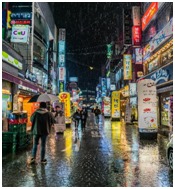
Picture Credit : PIXABAY
Seoul, the vibrant capital of South Korea, offers an abundance of attractions for tourists.
History:
The area that is now Seoul was first established in the Baekje Kingdom (18 BC). When King Taejo of the Joseon Dynasty declared it the capital, then called Hanyang. Seoul city surrounded by mountains and divided by the Han River, the city’s location was supreme for both governance and defense. To protect it, the Hangyangdoseong (Seoul City Wall), built in 1396, presenting 18 gates that stood as symbols of the Kingdom’s strength.
Japanese Occupation: 1910-1945, Seoul was renamed keijjo Under Japanese rule. The city was heavily damaged in the Korean War (1950-1953) but rebuilt into a modern and strongest metropolis. Today Seoul is South Korea’s economic and cultural place and over 10 million residents live in Seoul.
Popular, Historical and Cultural place: Seoul’s soul can be felt most deeply in its historic and cultural landmarks.
- Gyeongbokgung Palace: Main royal palace of the Joseon Dynasty, showcasing traditional Korean architecture and royal history.
- Bukchon Hanok Village: Preserved neighborhood of traditional Korean houses. Charming with Hanok houses and offering a glimpse into Seoul’s past.
- Changdeokgung and Secret Garden: Known for its beautiful Secret Garden. UNESCO World Heritage Site with harmonious landscaping.
- Jongmyo Shrine: Site of Confucian royal memorial ceremonies.
- War Memorial of Korea: A somber and informative museum dedicated to the Korean War.
Museum and Arts:
National Museum of Korea
Seoul Museum of History
Leeum, Samsung Museum of Arts.
Pansori (epic singing-storytelling)
Samulnori (traditional percussion quartet)
Buchaechum (fan dance)
Seoul’s traditions live vividly in its festivals and daily customs. The Lotus Lantern Festival each may bathes the city in a glow of light and prayer, marking Buddha’s Birthday with breathtaking parades. In Seoul, every season paints the city in a different light-spring’s Cherry Blossoms, summer’s lively festivals, autumn’s red leaves and winter’s beautiful snow- each season adding to the city’s attractive city. Seoul was rated Asia’s most livable city in South Korea. Seoul is the financial and business capital of South Korea. The Global Financial Centras index in 2015 Seoul listed as the 6th financially and most competitive city in the World. Seoul has been ranked 1st in technology.
Seoul stands as a living testament to Korea’s resilience, creativity, technology and vision for the future. From the ancient walls of the Joseon Dynasty to the glittering skyline of Gangnam, the city has evolved without losing its soul. While its modern beats through high-speed trains, smart technology, beauty, education and global pop culture influence. the city’s traditions-whether in the graceful art of tea ceremonies, the colorful and traditional hanbok, or the warm hospitality of its people-remain deeply rooted even as it embraces the global stage.
Seoul is not only about finance, cultural and tradition hub, Seoul is South Korea’s academic place, globally ranked institutions like Seoul National University, Yonsei University, and Korea University. Along side renowned schools such as Sungkyunkwan, Hanyang, and Ewha, the city’s universities blend tradition with excellent research, attracting students worldwide and shaping future global leaders
Beyond its physical beauty, Seoul tells a story of determination: a once war-torn capital transformed into one of the world’s leading metropolises. It is a city where history Wisper in the quite alleys of Buckchon, and the future roars in the neon lights of Hongdae. For visitors and residents alike, Seoul is more than a destination-it is an experience, a feeling, and a connection to the enduring Korean spirit. In every season, every street, and every smile, Seoul embodies the perfect harmony of past, present and future.
Share it with your Friends & Family :