
WRITER : ARCHANA K
EDITOR : SHIVRAJ PATEL
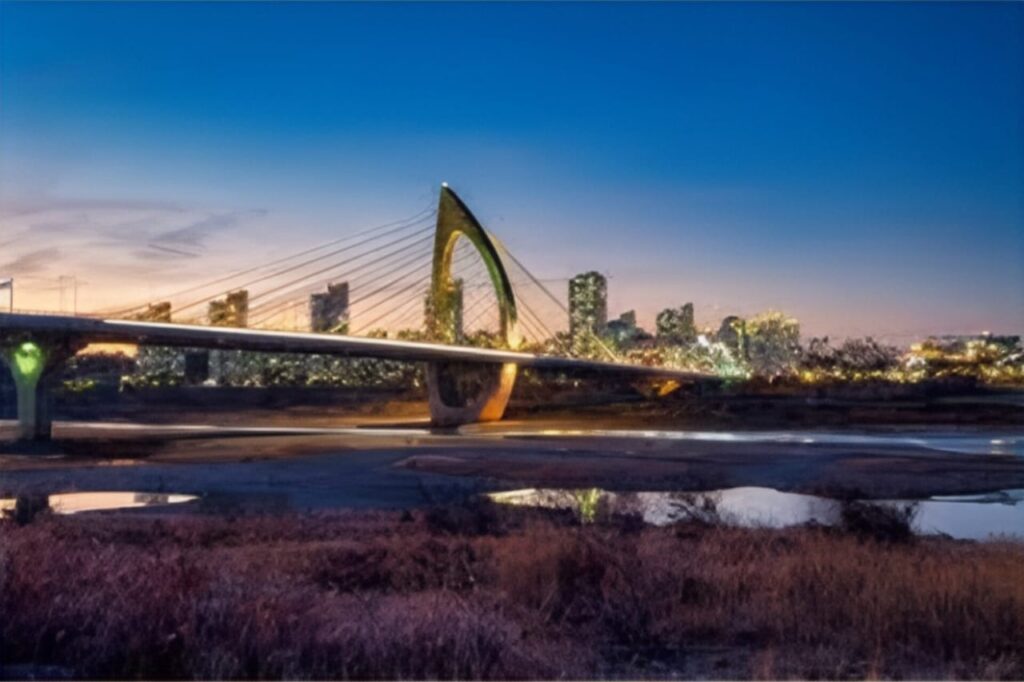
Sejong or Sejong City is the least populated and smallest major city in the country. In 2007 Sejong city was founded as the new planned capital of South Korea. Sejong has a population of 400,000 people in May 2025.
Picture Credit: Brittanica
Sejong was named in honor of King Sejong the great, and the fourth king of Joseon Dynasty and creator of the Korean alphabet “Hangul”. Sejong is surrounded by the two provinces of South and NorthChungcheong, as well as the metropolitan city of Daejeon.
The concept of creating a new administrative capital in South Korea first emerged in the early 2000s. And the goal was to reduce Seoul’s overpopulation, traffic and dominance and to promote balanced national development.In 2002, the presidential candidate Roh Moo-hyun promised to relocate the capital if elected. After he won, plans for a new city in the Chungcheong region were announced, chosen for its central location in South Korea. The original plan was to move the capital city from Seoul.
However, in 2004, South Korea’s Constitutional Court ruled that moving the capital from Seoul violated the constitution. Instead, the plan was adjusted: Sejong would not be the capital, but a special administrative city housing many government ministries and agencies.
July 1, 2012: Sejong Special Self-Governing City was officially established. Named after King Sejong the Great (1397-1450), the most respected ruler of the Joseon Dynasty, who invented Hangul, the Korean alphabet. Sejong is often seen as a symbol of decentralization and balanced growth, showing Korea’s technological and environmental ambitions. Sejong is also a city of the future, reflecting South Korea’s technological and environmental ambitions.
Sejong Lake park was completed in March 2013 and has various facilities in the park. The size is 705,768m and the lake area is 322,800m. The Sejong National Arboretum is the first urban arboretum In Korea and the largest indoor arboretum in Korea. There are 1.72 million plants.
Tourism Perspective:
Sejong city is not a tourist destination yet, but it represents modern Korea – eco-friendly, smart city planning and cultural hubs. Helps reduce “overtourism” in Seoul and Busan by offering an alternative. Sejong city offers a unique tourism experience, and home to the impressive Government Building complex, which features large rooftop gardens and unique pedestrian bridges connecting ministries.
Hangeul and Culture:
As the “Cultural Capital of Hangeul,” Sejong promotes the Korean alphabet. The city holds several Cultural festivals, such as the Sejong Festival and the Jochiwon Peach Festival.
Sejong University was founded in 1940 as the Kyung Sung Humanities Institute, then the institution officially named Sejong University and is named in Glory of King Sejong the Great.
The university offers a wild range of academic programs, including colleges for Social Science, Business Administration, Hospitality, Natural Sciences, Engineering and Arts. Sejong us known for its strong research focus, with established research centers and institutes concentrating on advancements in science, technology and the humanities.
The King Sejong Institutes are located worldwide, including in Russia, the US, Spain, Indonesia, China, Cambodia, Singapore, Malaysia, the UAE, Taiwan, the Philippines, Germany, Italy and Hungary and India. Founded in 2007 and the founder is Government of South Korea Cultural promotion organization and Korean language education in Worldwide. Over 144 institutes have been established by the year 2016. Nuri-Sejonghakdang is an official website providing a remote education system and integrated information service elated to Korean language study for Hangeul learners and teachers. And the best thing is its free and top-notch classes. Nuri-Sejonghakdang provides its services to Korean language institutes throughout the world.
Share it with your Family & Friends :