
WRITER : OKWUEGBULEM EMMANUEL CHIDALU
EDITOR : SHIVRAJ PATEL
Credit: Wikipedia.com
There are emotions that live too deep for words. In Korea, one such emotion has a name: Han (한). It is sorrow and endurance woven together, pain that does not disappear but transforms into strength, art, and resilience. To understand Korea, one must first listen to its Han; the silent heartbeat beneath history, music, and daily life.
When I first learned about Han, I felt an unexpected pull. It was as if I had already known it without ever hearing its name. I have lived with my own shadows of betrayal and deceit; moments that broke my trust and left cracks that are still healing. Even within my family, financial struggles and conflicts shaped me, teaching me that sometimes the safest way forward is to walk alone, to guard my heart until it chooses who to trust. These wounds are not things I talk about easily. I carry them mostly in silence, and when they grow heavy, I turn to music to release what words cannot. That silence, that quiet endurance; I now see it as my own kind of Han.
Han can refer to the Korean concept of han, a deep, complex sorrow or resentment, which is explored in relation to the “beauty of sorrow” as a post-colonial construct. However, the phrase “the beautiful sorrow” may also refer to the title of various books, such as The Strange and Beautiful Sorrows of Ava Lavender by Leslye Walton, a magical realist novel about a family, or The Beauty and the Sorrow by Peter Englund, which explores the beauty and tragedy of the Thirty Years’ War.
The Korean Concept of Han:-
- Han is a feeling of unresolved resentment, pain, and grief, often stemming from historical experiences of oppression and injustice.
- It is considered by some to be a fundamental element of Korean identity and culture, influencing Korean art, literature, and film.
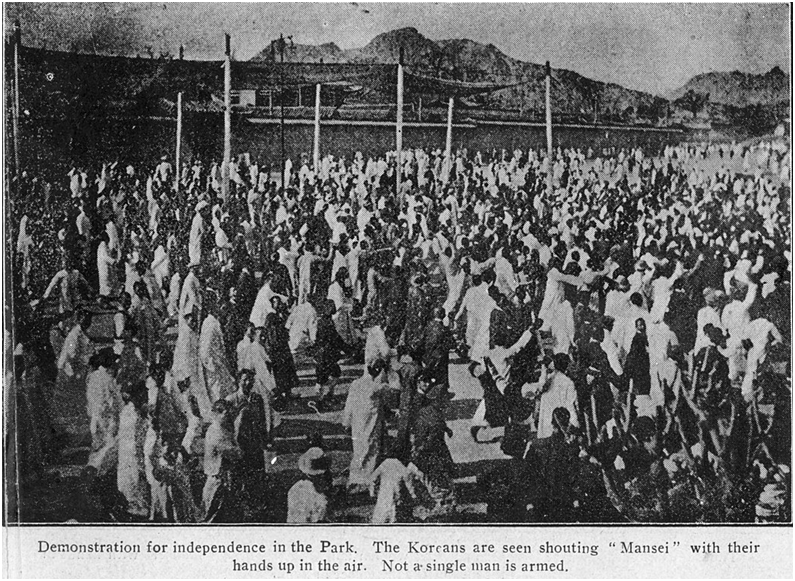
- The concept of han was notably shaped by the Japanese colonial period, with some scholars arguing that its contemporary meaning and association with a “beauty of sorrow” are post-colonial constructs.
Books with “Beautiful Sorrow” in the Title
- The strange and beautiful sorrow of Ava Lavander by Leslye Walton is a magical realist novel that uses whimsical language to explore family, love, and loss through a matriarchal lineage.
- The Beauty and the Sorrow by Peter Englund is a historical work focusing on the Thirty Years’ War, exploring its beauty and its devastating sorrow.
Korea’s Han comes from centuries of hardship; colonization, war, division. It is grief, but it is not hopeless. Instead, it gives birth to resilience and art: haunting songs, soulful poems, and the unspoken bond of survival. I see echoes of this in Nigeria too. The history of how twins were once killed in the old days still fills me with sorrow, but also gratitude for Mary Slessor, the woman who ended that tragedy. From suffering comes transformation; from darkness, a kind of strength that carries forward.
What makes Han unique is that it is not just personal sorrow, but collective. It binds people together in shared endurance. Yet it is also deeply personal; each person carries their own Han, quietly shaping how they see the world. For me, Han reminds me that broken trust, financial struggles, and silent battles are not weaknesses. They are threads of survival, parts of a story still unfolding.
Han is not simply sadness; it is sadness with depth. It lingers, but it also pushes us to create beauty from pain, to hold on when everything says let go. In this way, Han is not just a Korean emotion; it is a human one.
When I think of Han now, I no longer see only sorrow. I see the way pain can become a silent teacher, shaping resilience, loyalty, and empathy. Han reminds me that scars can hold beauty, and silence can carry strength. It is one of Korea’s most haunting yet beautiful gifts to the world: the lesson that even in suffering, there is dignity, and even in sorrow, there is hope.
Share it with your family and friends: