
WRITER : ISHA CHAUDHARY
EDITOR : SHIVRAJ PATEL
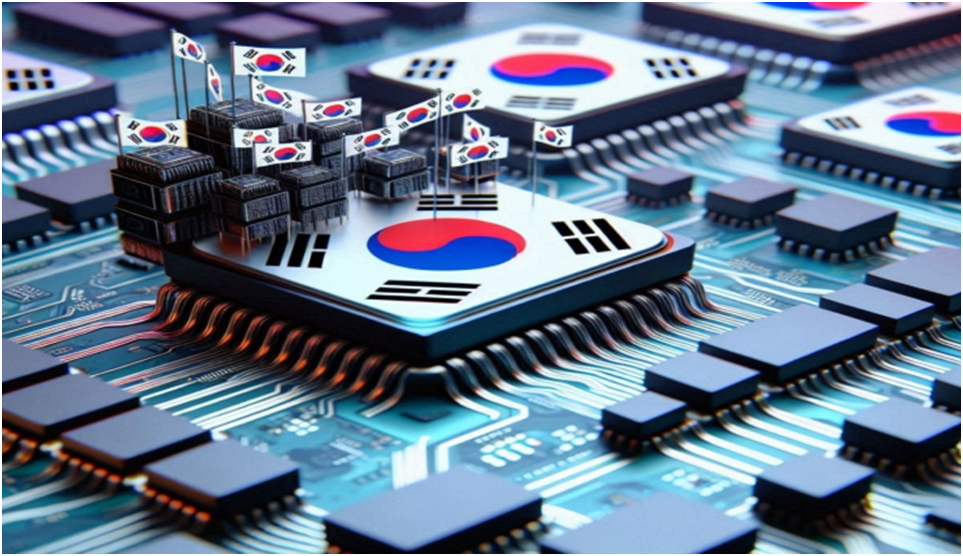
Picture Credit: Google pictures for semiconductors
한국 반도체 이야기
옛날에 한국은 전쟁 후 아주 가난한 나라였습니다.
사람들은 돈도 없고 음식도 부족해서 생활이 매우 힘들었습니다.
그러나 국민들은 쉽게 포기하지 않았습니다.
열심히 공부하고 일하며 더 나은 미래를 꿈꾸었습니다.
정부도 나라를 발전시키기 위해 교육과 기술을 중요하게 생각했습니다.
처음에 한국은 옷이나 신발 같은 단순한 물건을 만들었습니다.
하지만 이런 산업만으로는 큰 성장을 이루기 어려웠습니다.
그 무렵 세계는 점점 전자제품을 많이 사용하게 되었고,
삼성과 LG 같은 회사는 라디오와 TV를 생산하기 시작했습니다.
그것은 시작에 불과했지만, 한국은 더 큰 목표를 가지고 있었습니다.
당시 세계에서는 컴퓨터가 빠르게 보급되고 있었습니다.
컴퓨터에는 반드시 ‘반도체’라는 작은 칩이 필요했습니다.
반도체는 기계의 두뇌와 같아서 아주 중요한 기술이었습니다.
하지만 반도체를 만드는 일은 쉽지 않았습니다.
깨끗한 공장, 첨단 기계, 그리고 뛰어난 기술자가 필요했기 때문입니다.
정부는 많은 지원을 했고, 기업들은 큰 자금을 투자했습니다.
연구원들과 과학자들은 밤낮으로 노력하며 기술을 발전시켰습니다.
1980년대에 삼성은 품질이 뛰어난 메모리 칩을 만드는 데 성공했습니다.
이 칩은 정보를 저장할 수 있었고, 일본 제품보다 가격은 저렴하면서도 품질은 우수했습니다.
그 결과 세계 시장에서 한국 반도체는 점점 신뢰를 얻게 되었습니다.
1990년대에 컴퓨터가 전 세계로 퍼지면서 반도체 수요가 크게 증가했습니다.
한국은 많은 칩을 수출했고, 경제도 빠르게 성장했습니다.
사람들은 더 많은 일자리를 얻었고, 생활 수준도 높아졌습니다.
그때부터 반도체는 한국의 중요한 산업이자 자랑이 되었습니다.
2000년대에는 스마트폰 시대가 열렸습니다.
휴대폰에도 반도체가 꼭 필요했기 때문에
삼성과 SK하이닉스는 세계적인 반도체 기업으로 성장했습니다.
공장은 더 크고 현대적으로 바뀌었으며, 로봇과 첨단 장비가 사용되었습니다.
사람들은 한국을 ‘반도체 강국’이라고 부르게 되었습니다.
오늘날 반도체는 한국 경제의 중심입니다.
반도체는 나라에 돈과 일자리, 그리고 자부심을 줍니다.
한국은 메모리 칩 분야에서 세계 1위를 차지하고 있습니다.
자동차, 휴대폰, 노트북 등 현대 사회의 거의 모든 기계에는 반도체가 필요합니다.
반도체가 없으면 세상은 멈추게 될 것입니다.
이렇게 한국은 가난한 나라에서 기술 강국으로 발전하게 되었습니다.
작은 칩이 한국의 미래를 바꾸었고, 반도체는 한국의 성공 이야기로 남았습니다.
The Story of Korea’s Semiconductors
Long ago, after the Korean War, Korea was a very poor country.
People had little money, very little food, and life was extremely difficult.
But the people never gave up.
They studied hard, worked hard, and dreamed of a better future.
The government also wanted to rebuild the nation and believed that education and technology were the keys to success.
At first, Korea began by producing simple goods such as clothes and shoes.
These industries helped, but they were not enough for major growth.
Around the same time, the world was moving rapidly toward electronics.
Companies like Samsung and LG started making radios and TVs.
That was only the beginning, but Korea aimed for something bigger.
Computers were spreading quickly around the world, and every computer needed tiny “brain-like” chips called semiconductors.
Making semiconductors was not easy.
It required clean factories, advanced machines, and highly skilled engineers.
The government provided strong support, companies invested large amounts of money, and researchers worked day and night to improve technology.
In the 1980s, Samsung succeeded in producing high-quality memory chips.
These chips could store computer data and were cheaper than Japanese products while maintaining excellent quality.
As a result, Korean semiconductors gradually gained trust in the global market.
In the 1990s, as computers spread worldwide, demand for chips grew rapidly.
Korea exported more and more semiconductors, the economy grew quickly, and people gained new jobs and a better standard of living.
From that time on, semiconductors became one of Korea’s most important industries and a source of national pride.
The 2000s brought the smartphone revolution.
Smartphones also required semiconductors, and Korea was ready.
Samsung and SK Hynix grew into world-leading semiconductor companies.
Factories became larger and more modern, using robots and advanced equipment.
Before long, people around the world began calling Korea a “semiconductor powerhouse.”
Today, semiconductors are at the heart of Korea’s economy.
They provide the country with wealth, jobs, and a strong sense of pride.
Korea holds the number one position in global memory chip production.
Cars, smartphones, laptops, and almost every modern machine depend on semiconductors.
Without them, the world would simply stop.
This is how Korea transformed itself from a poor nation into a technology powerhouse.
Tiny chips changed Korea’s future, and semiconductors remain one of the nation’s greatest success stories.
Share it with your Family & Friends :