WRITER : ARPITA SINGH
EDITOR : RITIN
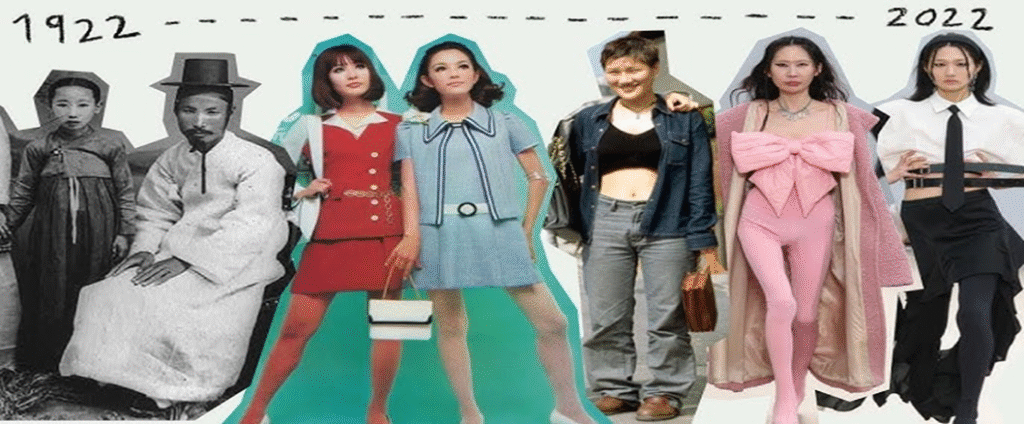
Image Credits: YouTube– MAIAZINE
Fashion is the voice of culture, and nowhere is it more loudly spoken than in Korea. From the dignified silhouette of the hanbok to the Seoul street-geddown fashion of today, Korean fashion bellows heritage, ruggedness, imagination, and world popularity. Korean fashion grew from the start into a cultural phenomenon that not only shouts its heritage but shouts around the world.
Hanbok: The Genesis
Korean fashion was first grazed by history in the guise of the hanbok, that is the symbol of timelessness and beauty. A loose-skirted (chima), loose-jacketed (jeogori) beauty blending with rich coloring, the hanbok was not clothing; it was philosophy. Brushed in the strokes of humility, of nature, of harmony, the shape of the hanbok offered freedom of movement with poise.
Color came into it: dark for the elite, muted for the masses. Now, the hanbok adorns festivities, weddings, and holidays, but fashion designers put their own twist on it in new ornamentation such as short jackets, minimalist silhouettes, and light fabrics, centuries of tradition stretched to accommodate fashion now.
Western Winds: Fashion’s Shift
Changement came with the rise of the 20th century. Japanese invasion and later introduction of Western influence subsequently introduced new fashion styles into Korea. Suits, uniforms, and dresses borrowed from the West flooded the cities as a marker of modernity. Jeans, T-shirts, and suits were markers of progress and promise following the Korean War.
By the 1960s–1980s, while Korea’s economy was booming, its people were dressing to make a statement of ambition. Businessmen ditched formal tailoring, and youth moved toward more flashy styles such as the miniskirt, bell-bottom jeans, and leather jackets. Fashion broke away from convention; fashion was a statement of identity in a speed-of-light, shape-shifting world.
Finding Its Own Voice
The revolution arrived in the 1990s. No longer satisfied with simply replicate Western designs, Korea started producing them in their own fashion. Andre Kim and other designers made international reputations by reworking timeless motifs and linking them with innovative styling. While streets such as Hongdae and Dongdaemun teemed with street fashion, young Koreans had a platform on which to strut their stuff.
This was also the start of what began to be referred to as K-fashion, cool, trendy, and in hot demand everywhere around the world. Koreans no longer emulated but pioneered fashion trends for themselves.
K-Pop, K-Dramas, and the Fashion Boom
Flash ahead to the 2000s, and fashion simply wouldn’t be severed from Korea’s cultural export. K-pop stars and drama queens were the fashion icons whose sense of fashion in attire would sell out within hours. From white-as-the-starry-night stage costume of Girls’ Generation, BTS’s designer collaborations with luxury companies crossed with high street prices, ARMY might experience PTSD from BLACKPINK’s street-fashion-Prestige-fashion crossover, Korean stars were the face of fashion diplomacy.
K-dramas kept the fires burning too. From Goblin’s wardrobe to the office wear of What’s Wrong with secretary Kim, drama wardrobes generated international shopping frenzies. Seoul was not only a domestic fashion hub but now trend leader globally.
The Seoul Look: Streetwear Meets Sophistication
Korean fashion today is all about perpetual eclecticism. Oversized blazers and sneakers, unisex-cut silhouettes, and flashy layering are what dominate Seoul streets. Clean minimalist simplicity is in, but so too is the urge to experiment, sometimes on the same piece.
Seoul Fashion Week, which was formerly on the fringes, is now one of the world’s leading platforms with home-based designers showing attitude street style mixed with heritage. The younger labels, however, are green, with a very distinct Korean twist on green fashion.
Tradition Reimagined
The distinguishing feature of Korean fashion is that it never forgets to respect the hanbok. The exaggerated sleeves of the hanbok, its restrained colors, or its elaborate embroidery are typically reborn in the fashion of contemporary clothing. Fashionable clothing, suits, and street wear of today inspired by hanbok has faith in cultural heritage without forgetting global sensibilities.
Beyond Clothes: A Cultural Ambassador
K-fashion is not fashion, but soft power. When K-beauty reengineered the face of global skin care, so does K-fashion reengineer the face of global fashion. When BTS sport Louis Vuitton, when BLACKPINK represents Chanel’s face, or when a K-drama fashion movement is on trend, Korea is not selling entertainment, it’s selling identity.
Conclusion: The Road Ahead
Korean fashion has come a long, long way from the serious dignity of the hanbok to Seoul’s trendy, hip, cool fashions. It started in tradition and turned out to be one of the world’s finest cultural exports.
The key to K-fashion’s worldwide popularity is that it finds balance: it honors the past while still being forward-looking, reconciles minimalism and creativity, and turns celebrities into cultural icons. From haute couture to streetwear, Korea has shown the world that fashion is not what we wear, but who we are and whom we aspire to be.
Share it with your Family & Friends :