
WRITER: DHAVAN AASHIKA PREMSINGH
EDITOR: RITIN
South Korea has become one of the most popular destinations for international students, including many from India. With world-class universities, modern facilities, and global career opportunities, it attracts thousands of students every year. However, living and studying in a new country also comes with challenges. This article explores the study and job opportunities in South Korea, the difficulties Indian students may face, and some useful tips to make the journey smoother.
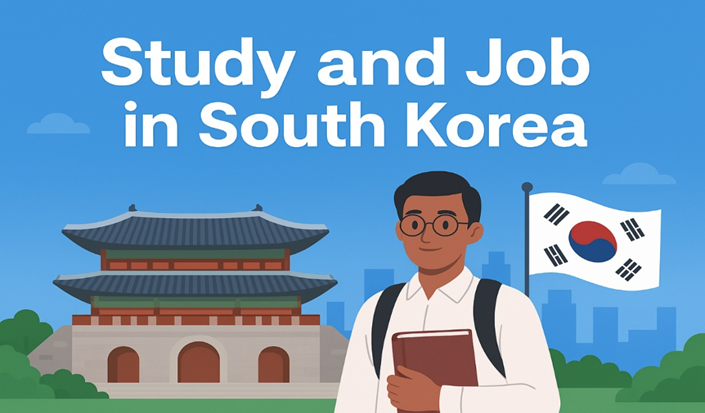
Studying in South Korea
- Quality over Quantity
South Korea prioritizes quality of education over quantity. Universities focus on research, innovation, and advanced teaching methods. Facilities such as digital libraries, modern labs, and technology-driven classrooms give students an excellent academic experience. Programs are designed to push students to think critically and prepare for the competitive job market.
- Challenges for Indian Students
While the academic system is strong, Indian students may face some unique challenges:
- Food and Lifestyle: Korean food culture is largely meat-based. For Indian students who are vegetarian or vegan, finding daily meals can be difficult. Many students cook at home or search for Indian restaurants and specific vegetarian options.
- Language Barrier: Some universities offer English-language courses, daily life in Korea requires Korean. Shopping, traveling, banking, and even part-time jobs often need at least basic Korean speaking skill.
- Social Hesitation: Korean students can sometimes appear shy or hesitant when interacting with foreigners. Building friendships may take time, but once the initial barrier is crossed, Koreans are known for their warmth and loyalty.
Admission Seasons
South Korean universities mainly have two admission intakes:
“Most universities have two main intakes: Autumn (starting September), Spring (starting March). While Autumn is a major intake for both undergraduate and postgraduate programs, Spring intake is more common among some postgraduate programs and for certain universities.”
International students can apply for either, depending on their program and university preference.
- Extra Tip for Students
If you face financial problems or a personal emergency in India, you do not need to drop out of university. South Korean universities usually allow students to take a “leave of absence” for a semester or more. This means you can pause your studies, return home, and later continue your course when ready. This option is a big relief for students who may struggle with unexpected issues.
Working in South Korea As Student
- Things to Remember Before Applying
International students must understand the visa rules before applying for any job. The D-2 student visa generally allows part-time work, but only for limited hours per week. It is important to check if your course and visa allow you to take up a job, as working illegally can cause serious problems.
- Work Culture
South Korea is famous for its disciplined and diligent culture. In most companies, respect for seniors and teamwork is also important. Be on time, politeness, and respect everyone, and professionalism are expected at all times. Indian students may find this different from what they are used to, but adapting to these values helps in building good workplace relations.
- Part-time Job Opportunities
For students, part-time jobs are an effective way to earn some extra money while studying. Common part-time jobs include:
- Working in cafés, restaurants, or convenience stores.
- Delivery services or retail shops.
- Tutoring English, especially if you have good language skills.
- University assistant jobs or internships, depending on your course.
- Most of these jobs require at least basic Korean communication skills. Students who put effort into learning the language often find better-paying and more comfortable opportunities.
- Working Hours and Wages
By law, international students on a D-2 visa can work up to 20 to 25 hours per week during the semester. However, during university vacations (summer and winter breaks), students are allowed to work full-time(But still you need to get permissions from your university). As per the official Minimum Wage Commission, the minimum hourly wage in South Korea for 2025 is set at 10,030 KRW(~ 633). Jobs that require better Korean skills or special qualifications often pay higher.
Conclusion
Studying and working in South Korea can be a rewarding experience for Indian students. While challenges like food, language, and cultural differences exist, with preparation and flexibility, these can be managed. South Korea offers high-quality education, exciting career opportunities, and a chance to experience a unique culture. For students willing to step out of their comfort zone, it can truly become a life-changing journey.
Share it with your family and friends: