
WRITER : ARCHANA K
EDITOR : SHIVRAJ PATEL
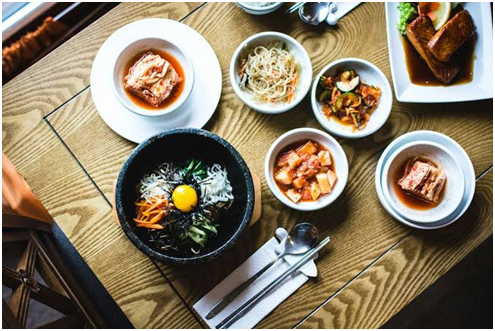
Picture Credit: Mint
Korean flavors in India are represented by spicy, savory rich ingredients like gochujang (chili paste) and kimchi, blended with sesame oil and soy sauce also Bibimbap, Japchae and famous Korean dish Ramyeon and more foods is increasingly available in Indian supermarkets and restaurants. Indian chefs are creatively combining bold Indian species with Korean mouth-filling richness.
Events organized by Korean cultural centers, embassies, and the institutes in India. Korean food has been able to find a home in India, Indian-inspired Korean dishes and street foods are rapidly gaining popularity. This fusion brings a unique twist to traditional Korean dishes, introducing exiting rich flavors to food lovers. Dishes like kimchi, ramyeon, and bibimbap, along with Korean iconic drink soju, symbols of a growing cultural bond between the two nations. Both nations cultures have a history of fermented food with kimchi in Korea and achaar in India. The spicy, and tangy elements of kimchi have influenced Indian fermented techniques with Indian flavors begin added to Kimchi variants.
Now a days, Korean foods is quite well-liked in Indian cities. Korean cuisine like Meat, tofu, and broth provide a lot of protein in Korean cuisine, also the side dishes like kimchi, seaweed and anchovies are very popular in India.
HAIKU, the Asian Kitchen, in Hyderabad: Is known for best taste and Korean restaurant in India.
Gung The Palace in Delhi: The most well-known Korean restaurant in Delhi. Considered as the best Korean food in India. The elegant wooden interiors, traditional Korean artwork, and the warm, inviting atmosphere feels like straight to Korea.
Seoul-Delhi: This restaurant in Delhi offering a verity of delicious foods, this is New Delhi’s oldest authentic Korean restaurant. Also, its famous for more than 70 Korean specialties, is evidence of Korea’s culture.
Sun and Moon Korean in Mumbai, Kori’s Restaurant at Greater Kalash in Delhi, Gangnum Restaurant at Majnu Ka Tila in Delhi, Homiga-Ashoka Nagar in Bengaluru, Hengbok- Andheri West, in Mumbai. There are so many Korean Restaurants and cafes that reminder of Korean culture and foods. Korean cuisine has officially made its home in India. Even street vendors have started selling the flavors of Korean-inspired snacks, such as cheese-filled tteokbokki or masala ramyeon bowl, bibimbap, soju that loved by the young food lovers.
Korea and India exchange culture, traditions, foods which makes this cultural exchange more beautiful and stronger. Both nations have strong history of fermented foods like kimchi in Korea and achar in India along with rice as a staple. Korea and India appreciate the depth of both food culture. Korean cuisine slowly becoming a part of India’s food scene. In cities like Delhi, Bengaluru, and Mumbai are actively experiencing the taste of Korean dishes. Even vegetarian adaptations, such as mushroom bibimbap or soy-based bulgogi, are being created to India’s favourite food habits.
Supermarket and online platforms have also played a major role by making Korean ingredients. Ingredients such as kimchi jars, gochujang, ramen packets and seaweed sheets are now easily available. Some Indian brands have even started manufacturing kimchi and spicy sauces locally. This easy availability has turned Korean food more popular not only in Korea also in the world.
Conclusion:
The future of Korean food in India looks promising. K-culture continuing to spread, Korean cuisine as well Indian food become more mainstream in the coming years. We may see Indian Adaptations of Korean dishes becoming people favorites, and Korean restaurants expand beyond cities and even small towns. This will become bridge between foods culture of India and Korea. It is creating a delicious story of friendship, creativity, and shared love for flavor.
Share it with Your Friends & Family :