
WRITER : AREEBA SHAFEEQ
EDITIR : RITIN

PSY: Gangnam style (Credit: Pinterest)
Since the very early 2010s, Korean pop music has undergone multiple revolutions. After PSY’s Gangnam Style was introduced to the world in 2012, as it was the third generation of K-pop led by groups like BTS and Blackpink that re-transformed the genre of K-pop once again globally. Their records, music, albums, influence, and the way they engage with fans reshaped the Korean entertainment industry itself.
BTS debuted in 2013 under Big Hit Entertainment, now known as HYBE, and built their reputation with nothing but their own talent, their own hard work, and gained their success with the Wings album. After years of efforts, in 2015, they started getting recognition. Then came the time of 2020, and they introduced Dynamite.
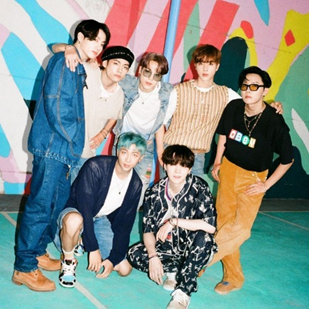
BTS: Dynamite (Credit: Pinterest)
Their English single, perfectly made and timed during the pandemic, made history. It topped the Billboard Hot 100, making BTS the first Korean act to do so, and also the Asian. They also secured their first nomination at the Grammys for the Best Pop Duo Group Performance.
Their success wasn’t just about one song. This group has won multiple Billboard Awards, American Music Awards, and has broken millions of records and set huge sales records. Their achievement helped open doors for Korean pop artists to receive recognition. They became the cultural ambassadors of this Korean pop industry.
Meanwhile, not only that, Blackpink also rose globally very fast. Their albums and singles, such as How You Like That, Kill This Love, and Born Pink, got huge streaming numbers, and each member: Jennie, Jisoo, Rose, and Lisa have become a major face for many luxury brands.
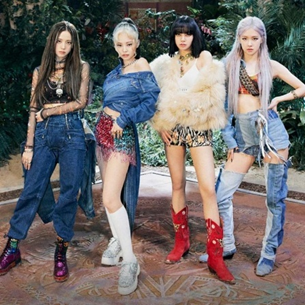
BLACKPINK (Credit: Pinterest)
Jennie is known as human Chanel, representing Chanel in multiple campaigns. Jisoo is also the leading global ambassador for Dior, while Rose is with YSL Saint Laurent, and Lisa with brands like Bulgari and Celine. These roles show how idols are not just musically isolated, but they are also global ambassadors and influencers.
This third generation of K-pop didn’t just dominate the music, they changed how the music was shared, consumed, and experienced. Social media, streaming services, digital concerts, and fan translations, fancams, and many Vlives.
Fans who also call themselves fandoms, such as BTS Army and Blackpink Blinks, became powerful cultural communities. Their contribution in many things, such as streaming, trending hashtags, owning the social media, organizing support projects, and becoming the group’s face of success.
Then comes the entry of the fourth generation, the newer groups, who built upon the foundation of the older groups but has their own impact, such as Tomorrow x Together TXT, have become the leaders for the fourth generation. For example, TXT became the first fourth-generation boy group to earn many songs with over 100 million streams on Spotify, following BTS.
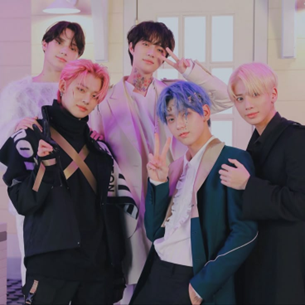
TXT: Blue Hour (Credit: Pinterest)
Their songs, albums, and tours have gained huge followings. They are breaking the record previously held by earlier groups. These younger groups often experiment with diverse music and strong visual concepts of albums, releasing multiple mixes as well to reach out to global audiences.
An example of how K-pop is moving forward beyond the idols and into more storytelling forms that’s where the animated film that was released in June 2025, the K-pop Demon Hunters enters. It mixes a fantasy story with music, featuring the fictional girl group Huntrix, whose song Golden has become a global hit now.
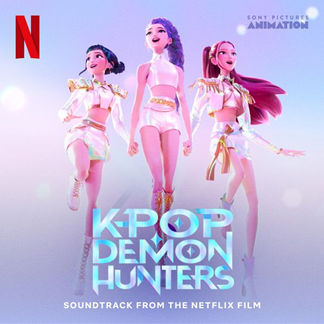
K-POP DEMON HUNTERS (Credit: Pinterest)
The film’s soundtrack cracked the Billboard Hot 100. Golden specifically has broken many records that even the human and real fandoms couldn’t. The web series has become Netflix‘s most-watched original animated film with over 236 million views. Its success shows how Korean pop culture is expanding not only in just music but also in animation, multimedia, and storytelling as well.
What does this all mean, especially for the youth around the world, even including India? It means representation and reaching out with their voices. Young people see idols who cross their language barriers and geographic boundaries.
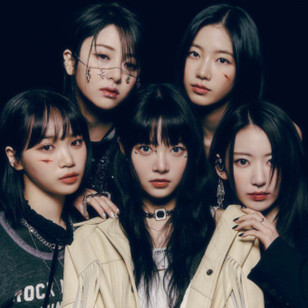
LE SERAFFIM (Credit: Pinterest)
They see these artists speaking honestly about many things that have been made taboo into society, the mental health, identity, gender, dreams, and many more things. The path that was carved by BTS with major chart wins, Grammy Awards, and international tours made it easier for many other newer groups to dream bigger. BTS Blackpink’s luxury brands proved that music stars can also be fashion icons, style leaders, and ambassadors of global culture.
To sum up, the 3rd generation did more than break out globally, they redefined what global impact means. Charts, awards, brands, digital trends, social media, everything was transformed in their own way. And the 4th generation is now driving K-pop into its next phase, diversified multimedia, boundary-crossing music. With music, animations like K-pop Demon Hunters are also reaching new heights. K-pop is no longer only about Korean music, it is all about animation, culture, history, and much more.
Share it with your family and friends: