
WRITER : ARPITA SINGH
EDITOR : ARPITA JENA
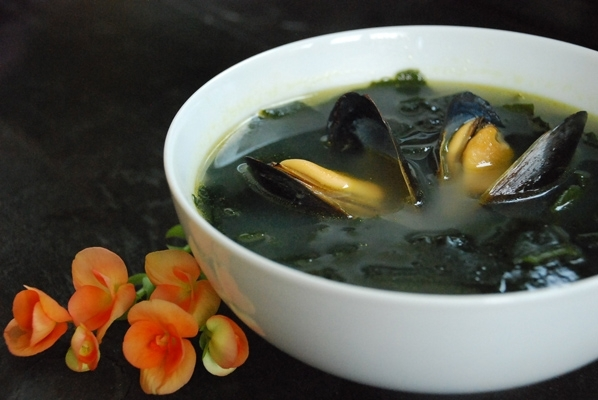
IMAGE CREDIT: THE KOREAN HERALD
Of all the teeming, colorful world of Korean cuisine, there is one that has an abiding, quiet importance that is greater than the unobtrusive composition of its parts. Not the fiery passion of Kimchi or the fiery show of barbecue. It is “Miyeokguk“, simple, comforting seaweed soup that is the essence of life, memory, and love.
To the unsuspecting, it is a cloudy, milky soup that is full of suspended strands of black sea grass, which sometimes encloses soft pieces of beef or shellfish. To all Koreans, however, a bowl of Miyeokguk brings back to mind the very start and a warm hug on each birthday thereafter.
A Soup of Life and Beginnings
The Miyeokguk is directly related to the history of birth. It begins with new mothers. One is provided with this vitamin-filled soup almost daily for weeks after giving birth. Brown seaweed (*miyeok*) just coincidentally is one of the highest in iodine and calcium, both of which are needed in recovery and lactation for a mother. This time of rest and rebuilding, *samchil-il* (the 21 days), centers on this recovery dish.
And so, for the first time in his/her life, a Korean is “nourished” in real life is Miyeokguk, by his/her mother. It turns into an irreplaceable bond. To receive the soup on one’s birthday is, first of all, an action of memory and thanks. It is the way one remembers one’s mother, the way one remembers her strength and sacrifice, and the way one celebrates metaphorically the magic of one’s own life. It’s an unspoken umami “thank you” inhaled with each slurp.
The Umami of the Deep
The sorcery of perfect Miyeokguk is its richness. The process is meditative and one of slowness. The dried *miyeok* is soaked until it is oily, jade-green ribbons. It is then pan-fried quickly in sesame oil, sometimes garlic, before simmering for hours in a rich stock.
Its character is different depending on the type of broth it is. The most common form is **Soegogi-Miyeokguk**, with a clear beef broth broth from brisket or shank. The soup is then seasoned later on with *guk-ganjang* (soup soy sauce), which imparts salty, meaty flavor without obscuring the broth as much. That makes it a clean, richly comforting and meaty soup which is like a warm hug inside.
A time-honored one, particularly along the sea coast, is **Bam-Miyeokguk** with clams or mussels. Sea-flavored—saccharine, briny, and heavenly thirst quencher. The clam soup is less thick than its beefy counterpart but with miserly umami bite.
A Bowl for All Seasons of Life
Though it is most eagerly celebrated as a birthday custom, Miyeokguk is part of Korean life all year round. It is the comfort food that is instinctively consumed when one feels sick or is exhausted, the Korean version of the chicken noodle soup. Its soothing, homey flavor is the most comforting food to have when one is recuperating.
Apart from that, it is a remembrance dish. Koreans will also consume Miyeokguk on the first anniversary of a deceased person’s first year of death. In such a situation, the soup not only reminds them of their own birth remembrance, but also of circle of life and dead people. It is a comforting bowl that gives comfort both in good and bad times.
Birthday Miyeokguk as Birthday Cake
If you are so lucky to receive an invitation to a Korean birthday party, don’t be shocked if a hot bowl of this soup is served to you. Eat it. Enjoy its deep color, sniff its dark, salty scent.
Scoop some up in your spoon. Enjoy the slippery, crunchy sea-kelp texture, the salty, deep broth, and the soft beef or salty clam. It’s not loud or large flavor, but mellow, rich, and profoundly comforting. It is not first-bite love, but reading on about its history will change the experience for you. You’re not merely having soup; you’re participating in a tradition that goes back centuries of family love and honoring life itself.
And the next time you come across this humble soup, remember that what lies before you is greater than food. What lies before you is a tale—a tale that starts with the courage of a mother and is re-told every year, a calming, comforting bowl of Korean soul.
Video Credit: Maangchi
Share it with your Friends & Family :