
Writer: ISHA CHAUDHARY
EDITOR : ARPITA JENA
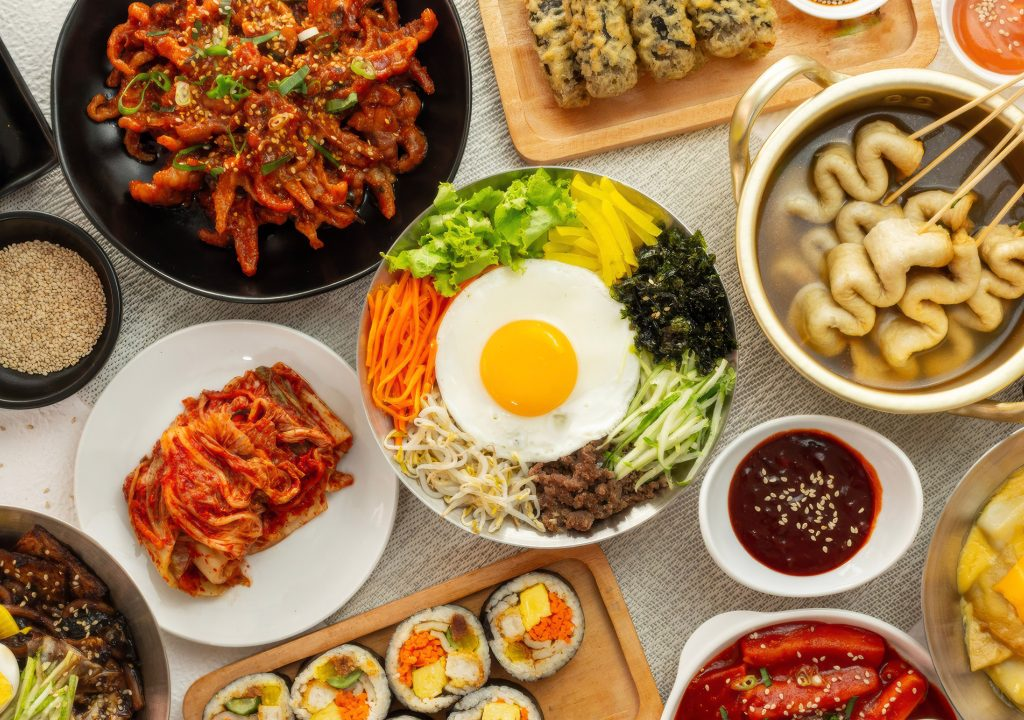
A Land with Limited Space but Unlimited Ideas
Imagine a country with very little land for farming, yet it still manages to grow extraordinary food and share it with the world. That country is South Korea. This is not just a story about machines or factories; rather, it is a human story of creativity, resilience, and innovation.
The Ancient Roots of Smart Korean Farming
Long before South Korea became a global tech leader, Korean farmers were already using ingenious methods. Centuries ago, they invented the world’s first rain gauge to understand weather patterns and improve crop planning.
In addition, they built early greenhouses using traditional ondol heating, enabling them to grow vegetables even during harsh winters. Over time, this deep respect for intelligent farming shaped the foundation of Korea’s future food revolution. Koreans never wanted “just food”; instead, they wanted food grown with care, technique, and wisdom.
How Technology Turned Korea into a Smart-Farm Leader
As Korea entered the digital age, it naturally extended technology into agriculture. Modern greenhouses now use automated systems where sensors track humidity, temperature, and soil moisture. Moreover, mobile apps notify farmers instantly, while computers adjust conditions for crops at the perfect time.
This innovation solved a major challenge: fewer young people choosing farming as a profession. Because of smart farms, fewer farmers can now produce higher yields with less effort. Furthermore, many farmers share real-time updates through social media, strengthening trust with consumers and creating transparency.
Kimchi: Where Tradition Meets Modern Science
One of the most emotional examples of Korea’s food science is kimchi. For Koreans, kimchi represents memory, identity, and family. The tradition of kimjang, where communities gather to make kimchi together, is even recognized by UNESCO.
Scientists studied kimchi carefully, not to change it, but to understand it better. They discovered probiotics and unique fermentation processes that make it so nutritious. As a result, Korea developed the kimchi refrigerator, designed specifically to preserve flavor and control fermentation conditions.
Innovation Born from Necessity
Much of Korea is mountainous, leaving limited farmland. Consequently, scarcity pushed Korea to innovate continuously. The government created strong support systems for training young farmers, offering modern tools, subsidies, and advanced agricultural education. Because of these efforts, Korea has built one of the most efficient farming ecosystems in the world.
Modern Food Science: Health, Safety, and Global Reach
Today, Korean researchers are focusing on a wide range of innovations, including:
- extending shelf life without harmful chemicals
- creating safe, germ-resistant packaging
- reducing salt, sugar, and fat
- developing plant-based and cultured meats

Picture Credit: SAMSUNG FOOD
Additionally, scientists study the natural benefits of foods such as:
- kimchi (probiotics and gut health)
- green tea (antioxidants)
- ginseng (energy, immunity, and healing)
Because of these advancements, Korea now exports ramen, snacks, sauces, and kimchi worldwide. Food science ensures that these products stay fresh, safe, and delicious throughout their long journeys.
The Human Heart Behind Korean Food Innovation
In the end, South Korea’s rise in food technology is not simply a story of machines; it is a story of people.
It reflects a grandmother’s cherished kimchi recipe being preserved and enhanced through scientific understanding, while a young farmer uses a smartphone to uphold and advance his family’s legacy. At the same time, it embodies the seamless blending of ancient wisdom with modern possibilities, proving that tradition and technology can move forward hand in hand.
Ultimately, Korea proves that when tradition and technology work together, food becomes more than survival. It becomes connection, culture, and care, a testament to how innovation can honor heritage.
Share it with your family & friends:
Read more on our website: