
Writer: ARPITA SINGH
Editor: ARPITA JENA
The First Spark: A Dream Born on Screens
For most Indian students, the fascination with South Korea begins online. It often starts with the K-pop wave, cutting-edge technology, or the pristine campuses shown in dramas. However, for those who earn a coveted spot such as the prestigious Global Korea Scholarship (GKS). The real journey goes far beyond what appears on a screen.
Landing in South Korea feels like entering a world that is both orderly and quietly complex. Many vloggers, including Anjali in Korea, explain that the culture shock is not always about the language. Instead, it comes from adapting to a very different rhythm of life. The silent transport systems, strict recycling rules, and the fast pace of Seoul can feel overwhelming at first. Moreover, the famous Korean work ethic—nolleo—also shapes student life. Burning the midnight oil in libraries becomes normal rather than exceptional.
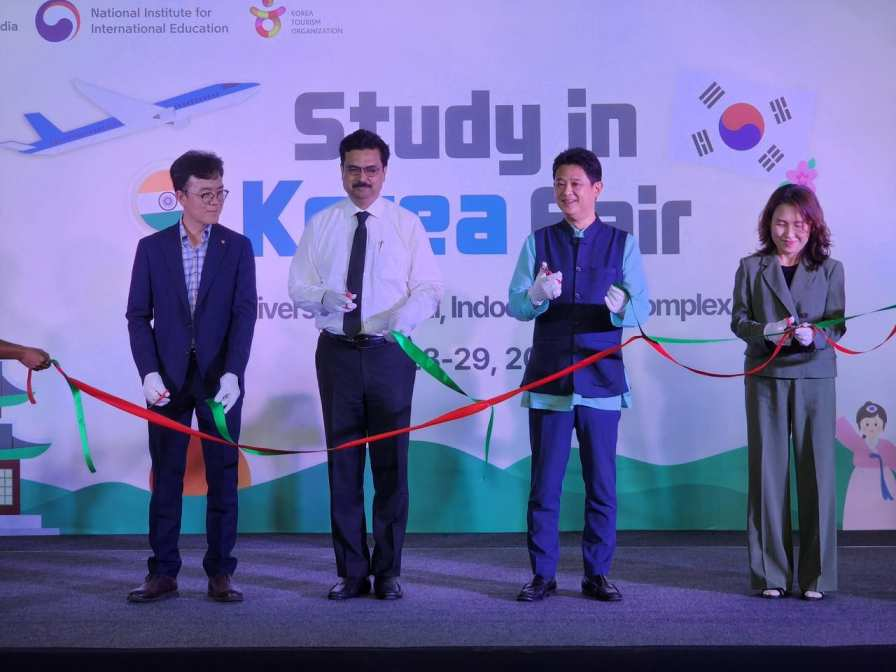
Image Credit: asiancommunitynews
The GKS Grind: More Than Free Tuition
For every GKS awardee, the scholarship feels like a golden ticket. It covers tuition, airfare, and even a living stipend. However, the reality is far more demanding. The scholarship is extremely competitive, and the GPA requirements create continuous pressure.
In addition, the academic style differs greatly from India. Indian students are often used to a hierarchical teacher-student dynamic. In contrast, Korean universities expect more participation, self-directed study, and independent research. This shift can initially feel uncomfortable.
Vloggers like kikikam who documents her life as a student in Utrecht often describe the “study-hard, play-hard” balance. Although the workload is intense, students also gain access to world-class labs, innovative learning environments, and professors who are leaders in their fields. This creates enormous room for academic and professional growth.
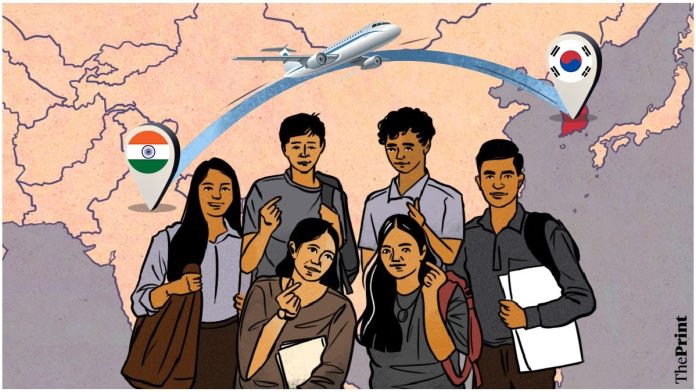
Image Credit: THE PRINT
The Language Barrier: Your Key to Real Korea
Although many postgraduate programs are taught in English, daily life is not. Outside the campus walls, almost everything banking, medical visits, ordering food is conducted in Korean. This becomes one of the biggest challenges for Indian students.
Thankfully, the one-year Korean language training provided under GKS becomes a crucial support system. It is not just a class but a survival tool. Students who do well usually go beyond textbooks. They make Korean friends, join university clubs (called dongari), and practice whenever possible.
Many students share that even imperfect Korean is appreciated by locals. A small attempt whether while ordering food or asking for directions usually brings encouraging responses. This simple interaction creates a shift, helping students move from observing Korean life at a distance to becoming an active part of the community.
The Emotional Roller Coaster: Loneliness, Homesickness, and Community
The biggest challenge, however, is often emotional. After the initial excitement fades, the harsh Korean winter arrives—both literally and metaphorically. Many students start missing home-cooked food, family gatherings, and Indian festivals like Diwali. Homesickness becomes a sudden, heavy emotion.
Fortunately, the small but warm Indian student community becomes a support system. Students frequently organize potlucks, celebrate festivals, and share familiar food and music. These gatherings create a sense of home in a foreign land. They also help students build strong relationships with other international peers. Over time, this shared journey becomes a global family—a comforting silver lining.
The Flip Side: Opportunities That Shape the Future
Despite the hurdles, the opportunities in South Korea are transformative.
Career Launchpad: A degree from a top Korean university holds global value. South Korea is home to major technology giants like Samsung, LG, and Hyundai. These companies increasingly seek international talent. The GKS program often provides access to internships, career fairs, and industry networking, opening doors to careers worldwide.
Cultural Fluency: Living in Korea teaches subtle communication, cultural intelligence, and community harmony. These soft skills are critical in a globalized world.
Redefining Your View of India: Studying abroad also reshapes students’ understanding of their own culture. They begin to appreciate India’s warmth, resilience, and social bonds in a new way. Many become informal cultural ambassadors, sharing Indian traditions with Korean friends and carrying pieces of Korean culture back home.
A Realistic Takeaway
For an Indian student, especially a GKS scholar, life in South Korea is not the glamorous world shown in K-dramas. Instead, it is a journey filled with growth, small victories, new friendships, and everyday challenges.
It is demanding, expensive, and emotionally tiring. Yet, for those who approach it with openness and determination, it becomes deeply rewarding. It builds resilience, confidence, and a global mindset. As vloggers like kikikam and Anjali have shown, this chapter is messy, beautiful, and unforgettable.
It is not just about earning a degree. It is about becoming a global citizen—one who carries new skills, new perspectives, and stories that last a lifetime.
Video Credit: LEAP SCHOLAR
Share it with your family & friends:
Read more on our website: