
WRITER : ISHA CHAUDHARY
EDITOR : ANAMIKA NAIK

Picture Credit : Korean news coverage photos on Google
Asia’s Rise: Power, Progress, and a New Global Future
Asia is undergoing a major transformation in the 21st century. For a long time, the world saw Western countries as the main centres of innovation, education, and development. Now, the world is turning toward Asia. From Seoul and Shanghai to Bangalore and Tokyo, Asian cities show how fast the region is changing. Asia is growing through its strong workforce, new technologies, and powerful education systems.
Asia and the New Global Balance of Power
For decades, countries like the United States, the United Kingdom, and Germany led the world in industry and academics. Today, many Asian countries are matching their speed — and in some areas, moving ahead. This shift is the result of strong planning, cultural values, and a focus on education and technology.
Asian nations such as China, South Korea, Japan, India, and Singapore are shaping a new global future. Their growth comes from long-term goals, discipline, and a clear desire to improve.
Manpower: The Strength of Asia’s Young Workforce
Asia has one of the youngest populations in the world. More than half of the global youth lives in this region. This gives Asia a major advantage.
India’s Expanding Talent Pool
India has become a global IT hub. Every year, it produces millions of engineers and computer professionals. Many of them work for leading companies like Google, Microsoft, and Amazon. Strong training in science and mathematics helps India supply talent to the world.
Emerging Labour Forces in Southeast Asia
Countries like Vietnam, Indonesia, and the Philippines are also growing fast. They support global companies through manufacturing and service industries. Their young and adaptive workers make these nations attractive for investment.
In contrast, many Western countries struggle with an aging workforce and low birth rates. Asia’s youthful and skilled population keeps the region dynamic and energetic.
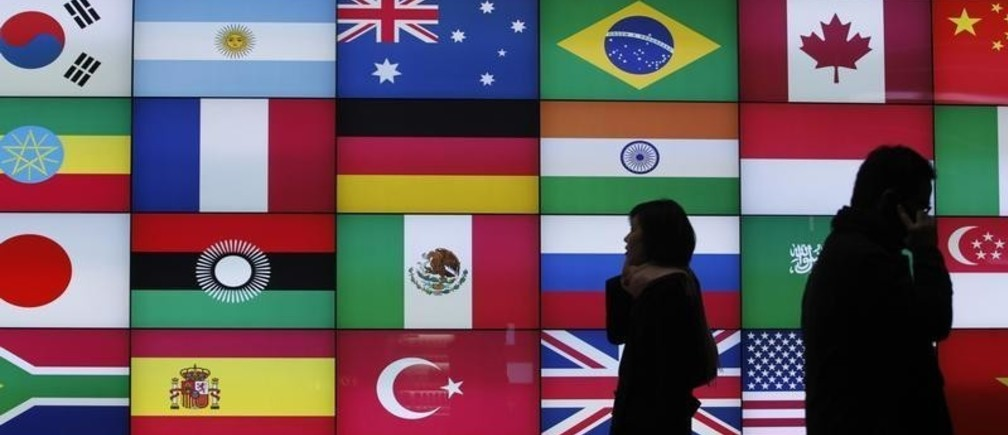
Picture Credit: The Diplomatic Affair
Technology: Asia Becomes a Global Innovator
Asia is no longer known only for manufacturing. Today, it is one of the strongest centres of innovation.
China’s Rapid Rise in Technology
China leads in artificial intelligence, quantum science, and green technology. Companies such as Huawei, Alibaba, Tencent, and BYD are global pioneers. Their work shapes industries across the world.
South Korea’s Culture of Innovation
South Korea is a powerful force in technology. Brands like Samsung, Hyundai, and LG dominate global markets. Their success comes from a strong focus on research, creativity, and continuous improvement.
Japan’s Leadership in Robotics
Japan remains a leader in robotics and automation. The idea of kaizen, which means continuous improvement, supports its long-term progress.
India’s Growing Digital Ecosystem
India’s start-up ecosystem is expanding quickly. The country has many unicorns in fintech, edtech, and AI. Digital innovation has become a major part of India’s identity.
Western nations still lead in several technologies. However, high costs and slower development cycles affect their speed. Asia’s mix of innovation and affordability gives it a strong advantage.
Education: Asia’s Most Valuable Asset
Education is one of Asia’s biggest strengths. Many countries in the region treat learning as a national priority.
South Korea’s Highly Focused System
South Korea has one of the highest literacy rates in the world. Its students perform well in global tests. A strong focus on STEM subjects supports the country’s innovation.
Singapore’s Modern and Practical Approach
Singapore encourages analytical thinking and problem-solving. Its students are among the most job-ready in the world. The system focuses on skills that are useful for the future.
Japan’s Blend of Discipline and Creativity
Japan mixes discipline with creative thinking. This approach helps maintain the country’s leadership in technology and design.
India as a Global Education Hub
India produces millions of skilled professionals every year. Institutions like the IITs and IIMs are well-known around the world. Students from many countries come to India to study.
Some Western countries face challenges such as high student debt and slow reforms. Asia’s practical and skill-based approach creates graduates who are prepared for real-world jobs.
Cultural Values: The Driving Force Behind Asia’s Growth
Asia’s rise is not shaped by economy alone. Culture also plays a strong role. Many Asian societies value discipline, respect, and hard work. People aim not only for personal growth but also for the progress of their country.
In countries like South Korea and Japan, national pride and dedication are part of daily life. In India and China, education is seen as a responsibility toward family and society. These values help nations stay focused and resilient.
Asia’s Future: Innovation, Sustainability, and Global Leadership
Asia is now shaping global innovation. Many countries in the region are leading in areas like renewable energy, AI, and digital governance. Major initiatives highlight this shift:
- China’s Belt and Road Initiative
- India’s Make in India campaign
- South Korea’s digital government systems
- Japan’s sustainability and green technology reforms
Asia is no longer only a manufacturing region. It is becoming a centre of research, technology, and global cooperation.
Conclusion: The Century of Asia
Asia’s growth marks a major change in global history. The region is powered by strong education, new technologies, and a young workforce. While the West once led the world, the East is now stepping forward with confidence and vision.
The future of global progress lies in Asia — energetic, innovative, and ready to lead.
Share It with your Family & Friends :
Read More on the Website: