
Writer: Devinandana RK
Editor: Arpita Jena
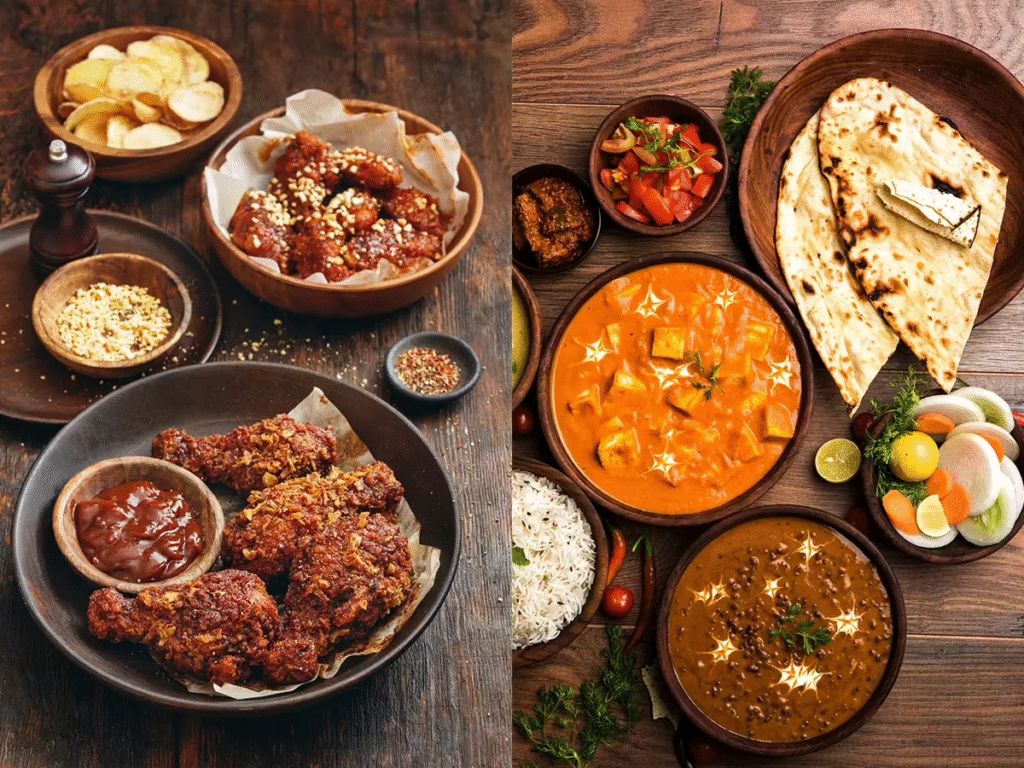
Picture Credit: TIMES OF INDIA
Introduction: When Food Becomes a Cultural Bridge
Have you ever watched those satisfying mukbang videos where someone takes a huge bite of a Korean corn dog with a stretchy cheese pull and suddenly craved it yourself? Or imagined pairing it with a warm tandoori roti and spicy masala dip?
Today, food is not just a meal. It is entertainment, comfort, and a cultural bridge. A single dish trending online can make people curious about an entirely new cuisine.
The blend of Indian taste with Korean flavors is becoming increasingly popular worldwide. As people try new dishes and share their experiences online, Indo-Korean fusion is turning into one of the most exciting culinary trends. Let’s explore how Korean flavors entered Indian kitchens, why both cuisines mix so naturally, and what the future holds.
The Entry of Korean Flavors into Indian Kitchens
Indians are among the biggest consumers of K-dramas. Watching characters enjoy “good-looking” Korean dishes made viewers want to try them too. This curiosity opened the doors for Korean cuisine in India.
Over the years, the K-wave introduced:
- Instant Korean food packets
- Korean ramyeon and sauces
- Korean convenience stores in big Indian cities
However, Indians didn’t stop at buying readymade items. They began experimenting at home. Many discovered similarities between Indian and Korean cooking styles and started recreating dishes in their kitchens.
Soon, content creators took over social media with ramyeon-eating challenges, showing Indians testing their spice tolerance. Today, people prepare iconic Korean dishes in the comfort of their homes, adding their own local twist.
Similarities Between Indian and Korean Cuisine
India and Korea may differ in geography, language, and traditions. Yet, they share a love for bold, spicy food. This makes fusion easier and more natural.
Common Ingredients and Food Culture
- Rice: A staple food in both countries
- Fermentation:
- India: idli-dosa batter, pickles
- Korea: kimchi, gochujang, doenjang
- Spices and Seasonings:
- Korea’s gochujang aligns closely with Indian red chilli powder and coriander
- Pickled Elements:
- Korea’s kimchi
- India’s achar
Popular Indo-Korean Fusion Dishes
- Kimchi paratha
- The Kimchi dosa
- Kimchi chicken fried rice
- Korean masala corn dogs
- Maggi with gochujang
These innovations are now common in Indian households and trending across social media.
The Story Behind the Cultural Fusion
The Indo-Korean food connection didn’t grow overnight. It expanded gradually through travel, tourism, foreign students, and the rise of global food content creators.
Travel and Student Exchange
Travelers often search for food that tastes like home. The availability of familiar dishes comforts them abroad. Likewise, Indian masalas are now easily found in Korean stores, helping Indian students or travelers cook their traditional meals.
Street Food and Restaurants
The street food network played a huge role. From Korean corn dogs in Mumbai to masala chai and samosas in Seoul, both countries now showcase each other’s flavors. This exchange encouraged the growth of Indo-Korean cafes, restaurants, and food trucks.
Social Media Influence
Food vloggers and influencers introduced these fusion dishes to a wide audience. Their videos sparked curiosity and built enthusiasm, helping spread Indo-Korean cuisine globally.
Future of Indo-Korean Fusion Cuisine
As both cultures embrace each other’s food, the future looks promising.
- Generation Z loves experimenting with global food. This leads to new fusion dishes, unique names, and playful combinations.
- Fusion desserts and beverages will rise. Expect Korean-style bubble tea with Indian flavors, or gulab jamun-inspired Korean pancakes.
- Cafes and food trucks may expand to smaller cities, making Indo-Korean cuisine more accessible.
- Influencers will continue to shape trends, sparking new challenges and experiments.
The fusion will grow richer as more people explore and mix ingredients from both nations.
Conclusion: Food as a Bridge Between India and Korea
Beyond diplomacy and official ties, food has always been the simplest way to bring cultures together. The Indo-Korean culinary fusion reflects not just the blending of flavors but also the exchange of curiosity, creativity, and cultural respect.
As people continue experimenting with recipes, the connection between India and Korea becomes deeper and more meaningful. It reminds us that harmony and understanding can begin with something as simple and powerful as sharing a meal.
Share it with your family and friends:
Read more on the website: