
Writer : Tanvi Rana
Editor: Arpita Jena
Radically More Human: Rethinking Architecture and Urban Life in Seoul
In today’s world, cities often chase height, speed, and technology. Yet the Seoul Biennale of Architecture and Urbanism offers a different vision of progress. Its 2025 theme, “Radically More Human,” shifts the focus from skyscrapers to people. It asks a bold question: What if cities healed us instead of exhausting us?
At its core, “Radically More Human” is more than an architectural idea. It is a shift in values. It invites us to imagine cities that support their residents instead of overwhelming them. Seoul, one of the most advanced cities in the world reminds us that innovation feels empty without humanity. The goal is not only to build smarter cities but also softer ones where technology, culture, and emotion coexist.
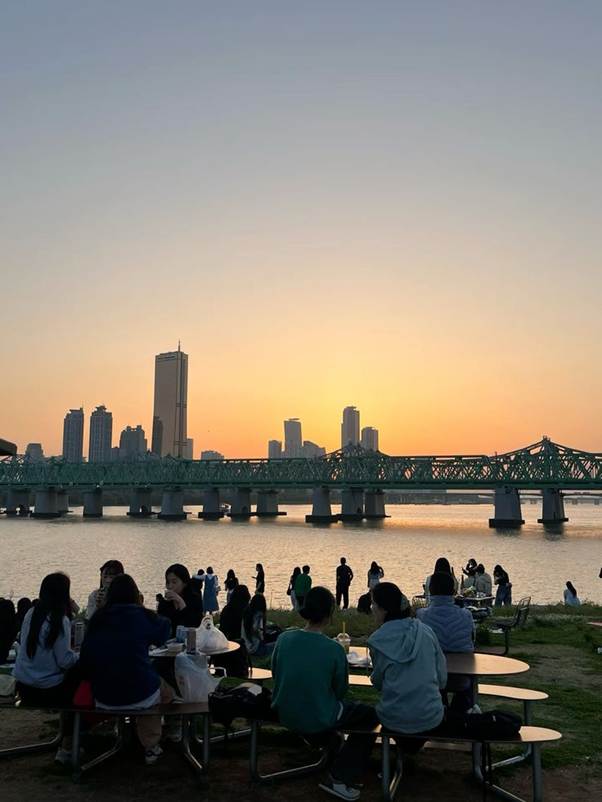
Image resource : Pinterest
Architecture Beyond Steel and Concrete
For centuries, architects admired symmetry, strength, and visual beauty. Human-centered design changes this focus. It asks how spaces shape our emotions.
The Biennale presents projects that rebuild the lost connection between people and place parks that invite gatherings, walkable streets that spark conversation, and buildings that support emotional well-being.
This architecture does not try to dominate the skyline. It tries to listen.
A shaded bench, a painted alley, or a lively street corner can make a city feel alive. Seoul shows that emotional sustainability stands beside environmental sustainability.
Urban Life and the Need for Empathy
Modern cities move fast. People often feel crowded yet disconnected. The Biennale highlights how loneliness has quietly grown into a major urban issue.
“Radically More Human” urges architects to design with empathy. Homes become spaces of belonging, not boxes. Public buildings become shared experiences, not structures.
Seoul’s community libraries, inclusive co-housing, and people-friendly streets begin with one aim restoring dignity in urban life. They remind us that cities are living organisms shaped by memory, movement, and emotion.
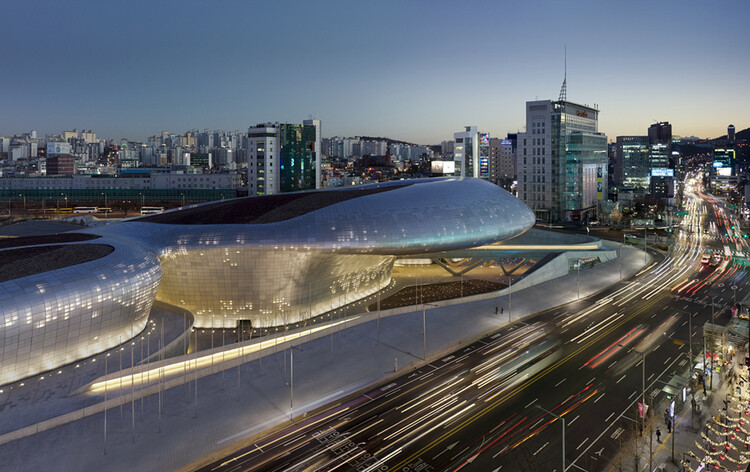
Picture Credit: ARCHDAILY
A Message That Echoes Across Nations
Seoul hosts the Biennale, but its message speaks to many countries, including India.
India faces rapid urban growth, and its Smart Cities Mission seeks a balance between technology and livability. Cities like Pune, Chandigarh, and Ahmedabad experiment with green spaces, heritage care, and inclusive design.
Both India and Korea are searching for the same answer “how to make modernity human again.”
Real development depends not only on infrastructure or GDP but on emotional comfort, cultural identity, and quality of life.
The Future: Building Cities That Feel
“Radically More Human” is not just a theme; it is a vision for the future. It imagines cities built for people, not simply around them. Cities where design expresses empathy, architecture supports community, and urban life nurtures emotion.
Seoul’s architectural shift encourages planners, architects, and citizens worldwide to redefine progress. True progress lies not in how tall our buildings grow but in how deeply they understand us.
As a young observer watching cities transform around me, I believe architecture should speak to emotions before it speaks to machines.
Share it with your family and friends:
Read More on our Website: