Writer: Areeba Shafeeq
Editor: Arpita Jena
Introduction: A New Era of Global Storytelling
Storytelling has always been central to human identity. For ages, people shared stories around fires, in texts, and on stages. Today, we are experiencing a new chapter the era of global storytelling, where technology, platforms, and cultures shape how stories travel and who gets to hear them. is shift is especially visible in the Indo-Korean cultural exchange, where K-dramas, films, and digital platforms influence storytelling across borders.
Picture Credit: SACH – THE REALITY
What Is Changing Over Time?
1. From Scheduled Broadcasts to Global On-Demand Viewing
Earlier, television and cinema followed strict schedules, regional licensing, and language boundaries. Now, platforms like Netflix, Viki, and Amazon Prime allow audiences in India, Korea, Europe, and Southeast Asia to watch the same content at the same time.
Cheaper internet and OTT platforms have reduced the dominance of a few large industries, opening doors to diverse content such as Korean, Hindi, Tamil, Chinese, and Japanese productions. For creators, this means thinking local in identity but global in structure. Streaming platforms now adjust pacing, episode length, and narrative patterns based on global viewing behaviour.
2. Transmedia Storytelling and Global Adaptations
Stories now move across platforms TV shows, webtoons, games, mobile apps, and social media. Korean content is a major example of this expansion. K-dramas are frequently adapted in other countries, including India, with local cultural references and languages. Yet, the foundational format remains global:
- emotional storytelling,
- strong character arcs,
- and tightly structured episodes.
Researchers note that narrative “formats” are now traded internationally and reconstructed to fit local cultural identities.
3. Cross-Cultural Flows: Local → Global → Local
A Korean story may travel to India through a drama, inspire an Indian adaptation, and then return to global platforms with renewed influence. This “cultural loop” is more common today than ever.
Indo-Korean exchange reflects this shift:
- Indian viewers are embracing Korean storytelling styles.
- Indian narrative trends influence global streaming structures.
- Creators in both countries are learning from each other’s pacing, emotional delivery, and visual language.
4. Empowered Audiences and Participatory Culture
Modern viewers are not passive. They react, comment, create edits, participate in fandoms, and share multi-platform content. Subtitles, dubbing, and multilingual interfaces allow Korean stories to reach Indian households, even where Korean language is unfamiliar. Streaming platforms now act as cultural bridges, helping stories travel and encouraging shared global experiences.
What Does This Mean for Creators and Consumers?
For Creators
Creators must understand that stories no longer stay local. They travel.
A drama that succeeds in Korea may need adaptation for India or Southeast Asia.
Cultural tone, pacing, humor, and character behavior all shift when stories cross borders. For example, Korean dramas often blend slow emotional build-up with sharp plot twists—styles that Indian storytellers are increasingly exploring.
For Consumers
Indian viewers today may watch a K-drama one day, a Hindi web series the next, and a Tamil thriller or Chinese film the day after. This diversity creates cultural awareness and expands the emotional vocabulary of audiences.
However, it also requires navigating:
- new cultural references
- different storytelling conventions
- varied relationship dynamics
- and diverse moral codes
For Students and Media Learners
If you study media, storytelling, culture, or international relations, this shift matters. Understanding localization, global appeal, cultural identity, and narrative strategy has become a valuable academic and professional skill. It helps learners understand how stories scale from local roots to global impact—a powerful tool in media careers.
For Society
Global storytelling allows more voices to be heard. Local stories get a global stage. But challenges remain:
- fear of losing cultural specificity
- pressure to create “globalised” content
- risk of dominant platforms shaping local creativity
- economic barriers for small creators
Balancing global reach with local authenticity is now a key question.

Picture Credit: FILMFARE
Indo-Korean Examples
India
Regional content Marathi, Tamil, Telugu, or Hindi now reaches foreign audiences. This global reach encourages Indian storytellers to stay rooted while speaking to global viewers. Indian audiences have also embraced Korean dramas for their emotional depth, cultural values, and visual storytelling strengthening Indo-Korean cultural ties.
Korea
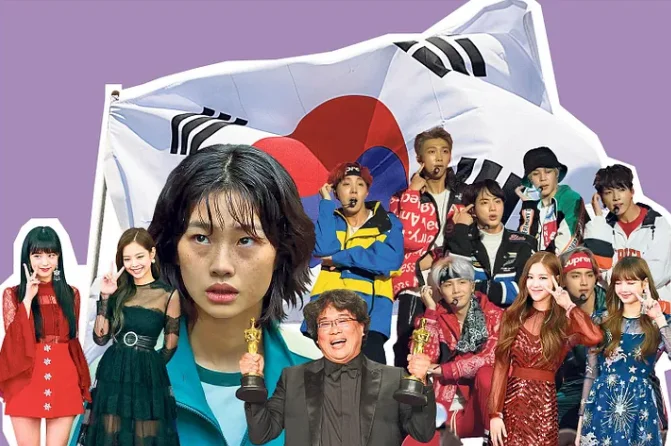
The Korean drama and film industries started with a strong local focus but now operate with a global mindset. Events like the K-Content Expo strengthen collaboration with India and other countries, helping Korean creators expand their reach. Korean stories now hold global value, influencing fashion, culture, narrative style, and even academic studies in India.
Format Exchange
Korean formats story structures, character designs, OST-driven emotions are being studied and adapted worldwide. Dramas are remade in local languages, with modified characters, themes, and pacing, without losing their universal emotional appeal.
Challenges in Modern Storytelling
Creators and platforms face important questions:
- How to maintain cultural authenticity while appealing globally?
- Do algorithms limit creative freedom?
- Will global demand overshadow local voices?
- How do we protect cultural nuance in adaptation?
- Are shorter, faster formats transforming attention spans?
These questions reflect the pressures and possibilities of global storytelling.
Conclusion
We are living in a time where Korean stories travel to India, Indian stories travel abroad, and both influence the global narrative landscape. Stories now act as cultural bridges—connecting people, ideas, and identities across continents.
For young dreamers, creators, and learners, this is not just an industry shift. It is a map of new possibilities. Listen, explore, participate, and create—because your voice may soon become part of the global Indo-Korean story.
Share it with your family and friends:
Read More on our Website: