
Writer: Areeba Shafeeq
Editor: Arpita Jena
Why South Korea Attracts Indian Students
South Korea has rapidly become one of the most appealing destinations for international students, especially those from India. The country offers a high-quality education system, vibrant student life, and numerous part-time job opportunities. As a result, Indian students increasingly see Korea as a place that provides academic excellence along with global exposure.

Picture Credit: BAP SOFTWARE
Moreover, the overall experience in Korea is remarkably different from studying in India. While both countries value education deeply, their teaching styles, campus environments, and work cultures offer contrasting experiences that shape students in unique ways.
Education System: A Structured Approach
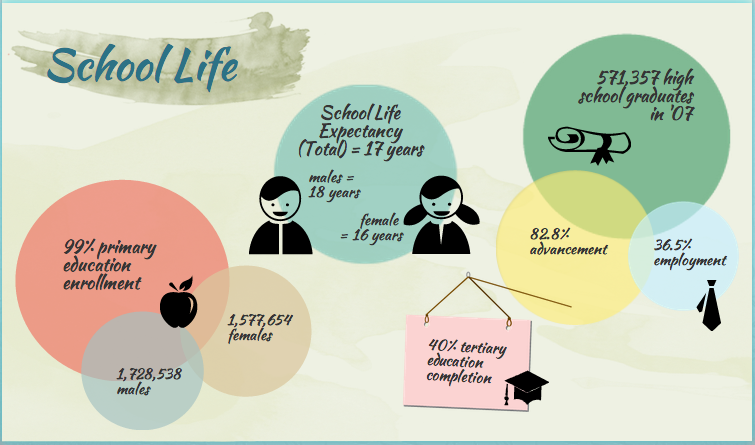
South Korea’s education system is extremely structured and systematic. Students follow a well-organised curriculum, and the university entrance exam, Suneung (CSAT), serves as the major gateway to higher education. In India, exams like JEE or NEET carry similar importance; however, the preparation style differs significantly.
Picture Credit: THE MIDDLEBURY SITES NETWORK
In Korea, students often attend Hagwons, or private cram schools, where they receive daily academic support. This environment encourages collective learning and discipline. In contrast, India’s coaching centres emphasize individual preparation and competitive performance. Therefore, although both systems are intense, the learning approach and classroom culture differ noticeably.
Furthermore, Korean schools emphasise consistency, teamwork, and routine, while Indian students often navigate a more flexible yet highly competitive system.
University Life: Practical, Engaging, and Interactive
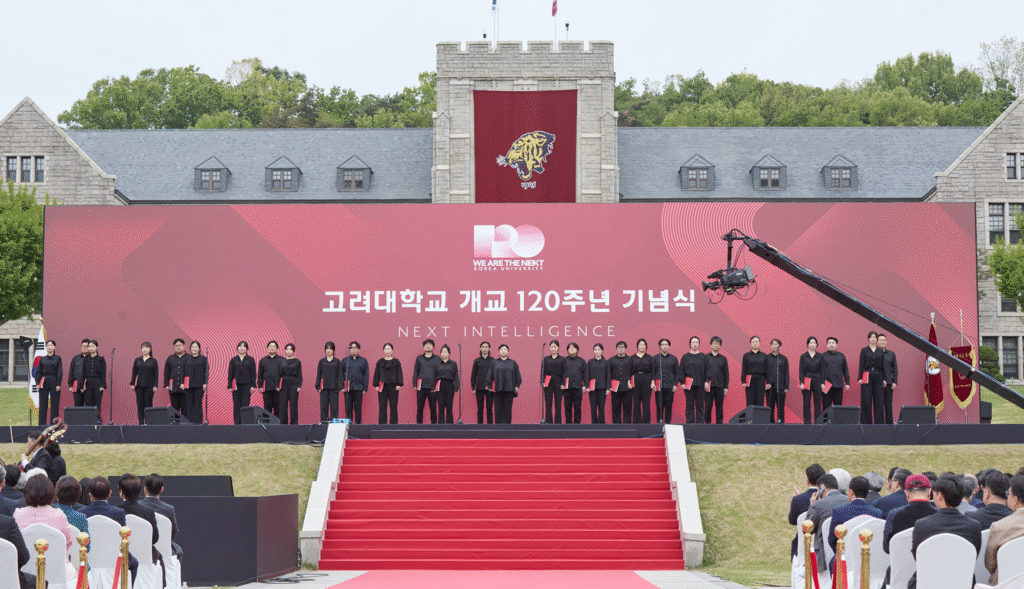
University life in South Korea contrasts sharply with that of India. Korean universities frequently offer:
- Smaller classes
- Discussion-led sessions
- Project-based learning
- Strong industry partnerships
Picture Credit: WWW.KOREA.EDU
Consequently, students develop practical skills, critical thinking, and real-world problem-solving abilities. On the other hand, many Indian universities still rely heavily on lectures, theoretical knowledge, and memorization-based exams.
Moreover, Korean universities offer numerous programs in both English and Korean. They also provide language support for foreign students, which makes integration smoother and more accessible. Additionally, campuses are technologically advanced, offering resources that encourage innovation and research.
Part-Time Work Culture: A Key Difference
Part-time work, known as “Alba,” is widely accepted in South Korea. Students commonly work in cafés, convenience stores, restaurants, and tutoring centres. As a result, they earn extra income, gain real-world experience, and develop responsibility.
However, part-time jobs also come with challenges. Late-night shifts at convenience stores, for instance, can be unsafe for young students working alone. Moreover, employers expect punctuality, commitment, and adherence to rules, which can sometimes be stressful.
In India, part-time work among students is far less common. Parents often encourage students to focus solely on academics, believing that part-time jobs may distract them. Additionally, many Indian families view jobs in cafés or retail as unsuitable for educated youth. Consequently, Indian students receive fewer chances to build early workplace skills, independence, and financial responsibility.
Campus Life Beyond Academics
Student life in South Korea extends well beyond academics and part-time work. University campuses frequently host festivals, cultural events, club activities, talent nights, and inter-department competitions. As a result, students enjoy a balanced lifestyle that includes both learning and recreation.
Furthermore, Indian students studying in Korea often embrace these activities enthusiastically. They enjoy exploring K-culture, making new friends, and participating in global experiences. Social media trends such as K-pop, mukbang, and Korean fashion also play an important role in shaping their day-to-day life.
Consequently, living in Korea exposes students to new cultures, creative hobbies, and global communities, ultimately enriching their overall experience.
Opportunities for International Students
South Korea offers significant opportunities for international students, especially those from India. These include:
- English-speaking academic programs
- Internships and industry exposure
- Scholarships and financial support
- Exchange programs
- Extensive part-time work options
- Strong alumni networks
Moreover, students develop key skills such as independence, communication, teamwork, and adaptability. These qualities are essential in today’s global job market. Additionally, living in a new country helps students gain confidence and a broader worldview, which prepares them for careers both in India and abroad.
Conclusion
Studying and working in South Korea offers Indian students a unique blend of academic growth, cultural immersion, and professional development.
Although India and Korea share a strong commitment to education, their approaches—ranging from classroom interaction to part-time work culture differ greatly.
Consequently, Indian students in Korea experience faster personal growth, stronger skill development, and increased global exposure.
Ultimately, Korean universities provide a holistic environment where students can learn, explore, work, and thrive. By embracing new opportunities and learning from cultural differences, students develop networks and skills that prepare them for success in both local and international careers.
Share it with your family and friends:
Read More on our Website: