
Writer : Apurva Yadav
Editor: Arpita Jena
A Quiet Morning Outside the Enlistment Center
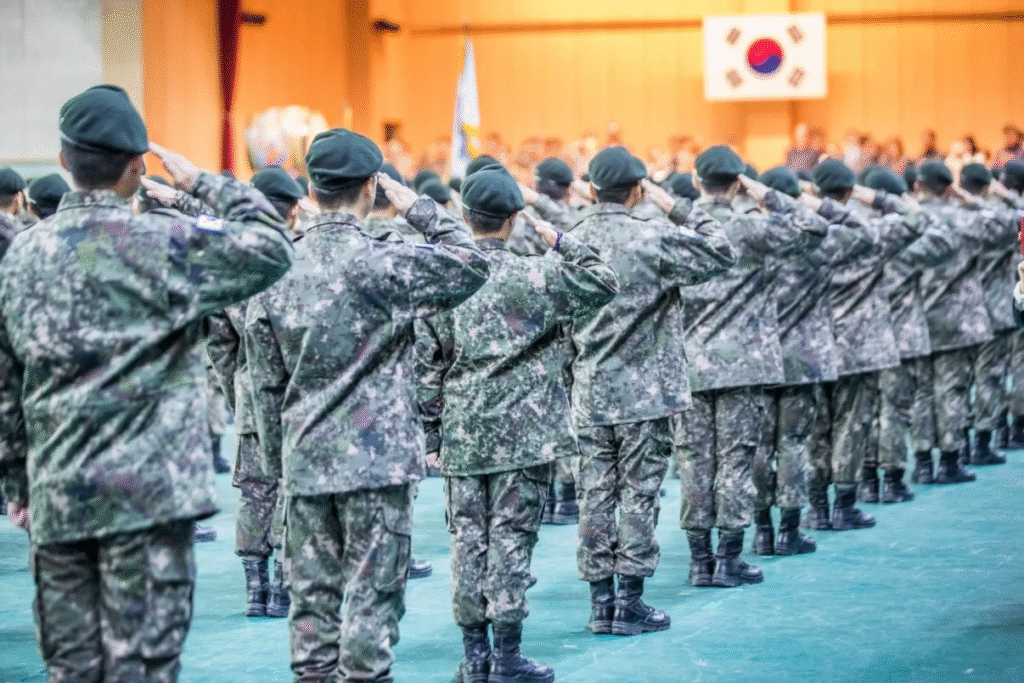
Early in the morning in Seoul, before coffee machines hiss and subway platforms fill with tired commuters, a familiar scene unfolds. A young man with a freshly shaved head stands beside his family outside an enlistment center.
Picture Credit: THE DEFENCE HORIZON JOURNAL
His mother adjusts the strap of his backpack, as if one last tug might keep him safe. Friends joke awkwardly, trying to soften a moment that cannot be avoided. The young man swallows hard. For the next 18 to 21 months, his life will no longer fully belong to him. This scene is not rare. It is routine. And within that routine lies the reason military service remains essential in South Korea.
A Modern Nation Living with an Old Reality
South Korea today appears as a global success story. LED billboards light up city streets. K-pop dominates global charts. High-speed trains, Michelin-star restaurants, and world-class tech campuses define its image. Yet beneath this polished surface lies a reality South Koreans never forget.
The country is still technically at war. The Korean War did not end with a peace treaty in 1953. It ended with an armistice. A pause, not a conclusion. The Korean Peninsula remains divided by the Demilitarized Zone (DMZ), a 250-kilometer stretch guarded by landmines, surveillance towers, and armed soldiers.
The Threat That Never Left
On the northern side of the border stands one of the world’s largest standing militaries. North Korea maintains over 1.3 million active troops, thousands of artillery units aimed south, dozens of submarines, ballistic missiles, and a nuclear program that has conducted multiple confirmed tests.
For South Koreans, this threat is not abstract. Missiles can cross the peninsula in minutes. Readiness is not optional; it is survival. This constant tension explains why conscription exists—and why it continues.
Lessons from a War South Korea Refuses to Forget
To understand this system, one must look back to June 25, 1950. North Korean forces crossed the border unexpectedly. Seoul fell within three days. Families fled with nothing. Schools became shelters. Roads filled with refugees.
Nearly three million lives were lost. South Korea rebuilt from ashes, but rebuilding meant little if vulnerability remained. In 1957, mandatory military service was formalized, not as a symbol of pride, but as a safeguard against repetition.
More Than Soldiers: A System of Equality
Today, South Korea maintains nearly 500,000 active troops, with the capacity to mobilize millions of reservists. Without conscription, experts warn the force would shrink dangerously. Yet military service is not only about numbers.
Picture Credit: BILLBOARD
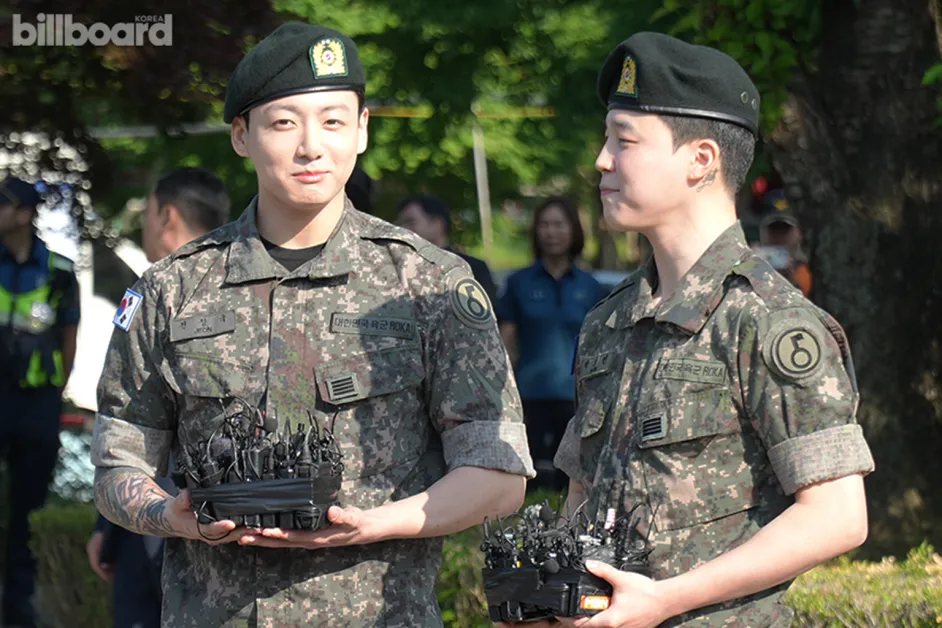
Inside the barracks, social divisions disappear. Wealth, background, and status hold no weight. Whether a student from Seoul, a fisherman’s son from Busan, or a global celebrity, everyone wears the same uniform. Even BTS enlisted—not for symbolism, but for equality. Military service does not simply train soldiers. It turns strangers into equals.
A Generation at a Crossroads
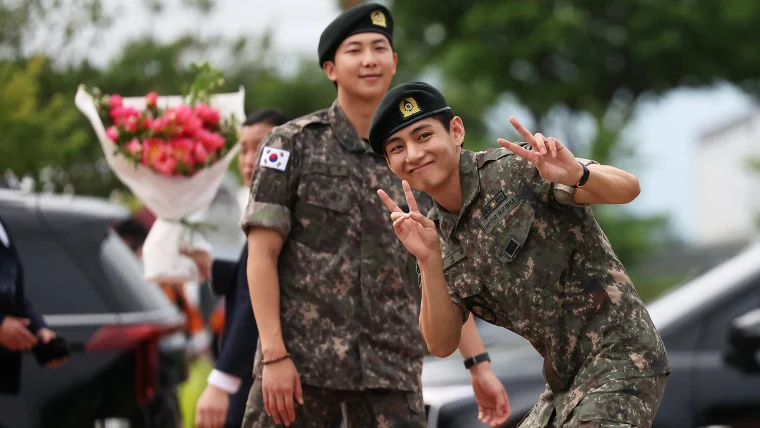
Modern South Korean youth face pressures previous generations did not. Education is expensive. Careers start later. Competition is intense. Losing nearly two years can feel like falling behind permanently. As debates grow, new challenges emerge.
Picture Credit: NBC NEWS
South Korea now faces the world’s lowest fertility rate. In 2023, it dropped to 0.72. Fewer births mean fewer future soldiers. By the 2040s, the military-aged population may shrink by half. This reality forces serious questions about reform.
The Future of Military Service in South Korea
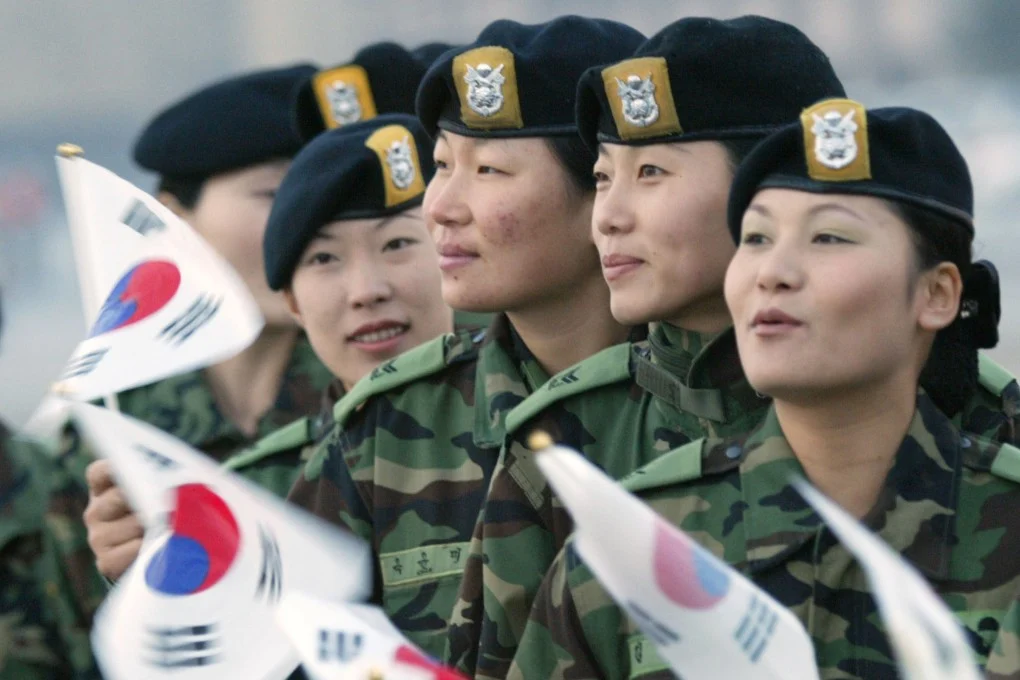
The system may evolve. Shorter service periods. Hybrid forces combining professionals and conscripts. Specialized roles in cyber defense, AI, drones, and surveillance.
Picture Credit: SOUTH CHINA MORNING POST
As a global tech leader, South Korea’s military future may rely more on innovation than manpower. Yet one hope remains constant, the hope for real peace. Not symbolic meetings. Not temporary talks. But lasting peace, where the DMZ becomes a trail, not a fortress.
Why the System Still Stands
South Koreans are realists. History taught them the cost of unpreparedness. Until peace becomes permanent, military service remains a shared responsibility.
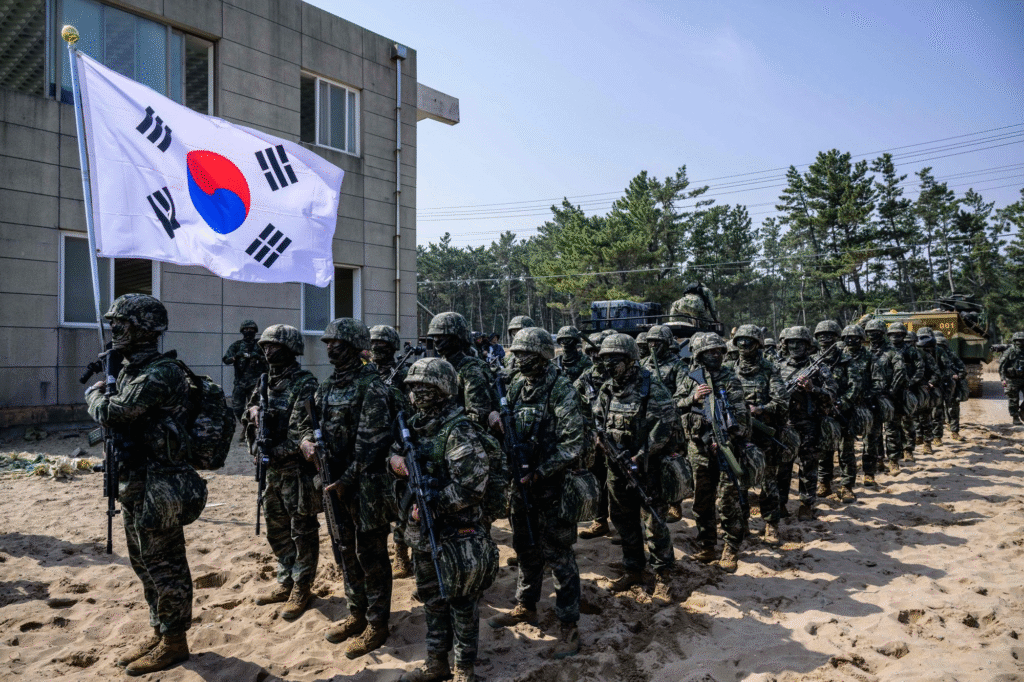
Picture Credit: MOUNTAIN TACTICAL INSTITUTE
It is not merely a law. It is a reminder of a war that never truly ended and a promise to protect what was rebuilt at great cost. Perhaps the future will soften this duty. Perhaps technology will reshape it. But until history finally rests, South Korea continues to stand guard.
Share it with your family and friends:
Read more on our website: