
writer : Tanvi Rana
Editor: Arpita Jena
Introduction
In today’s fast-changing world, cities are no longer just places to live. Instead, they reflect human values, priorities, and emotions. The Seoul Biennale of Architecture and Urbanism, themed “Radically More Human,” reminds us of one powerful truth: progress should never come at the cost of humanity.
Picture Credit: THE KOREA HERALD
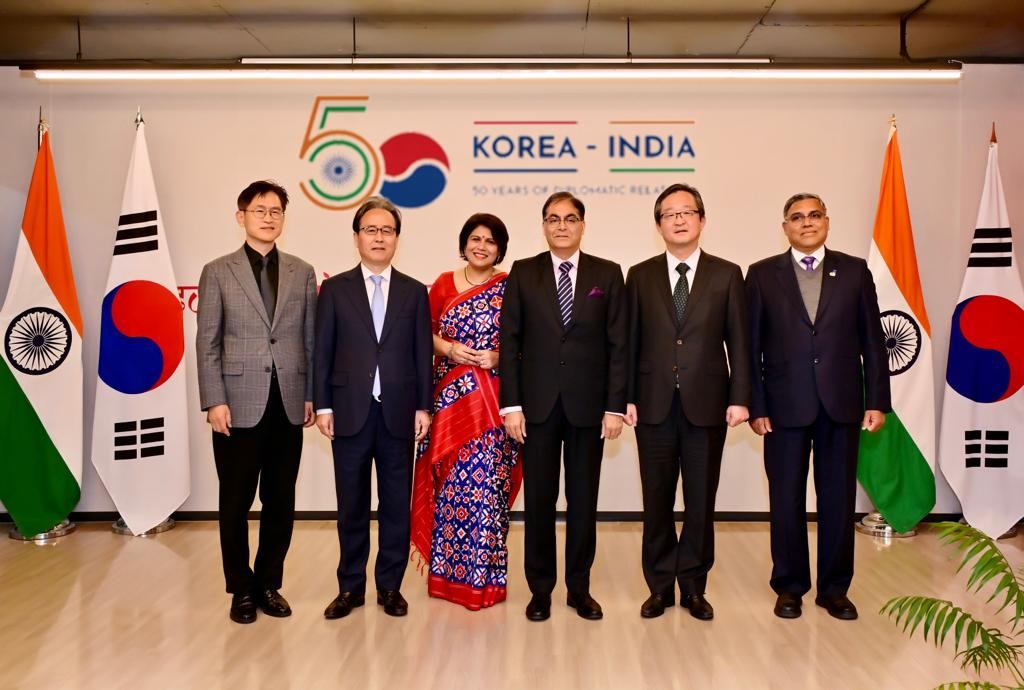
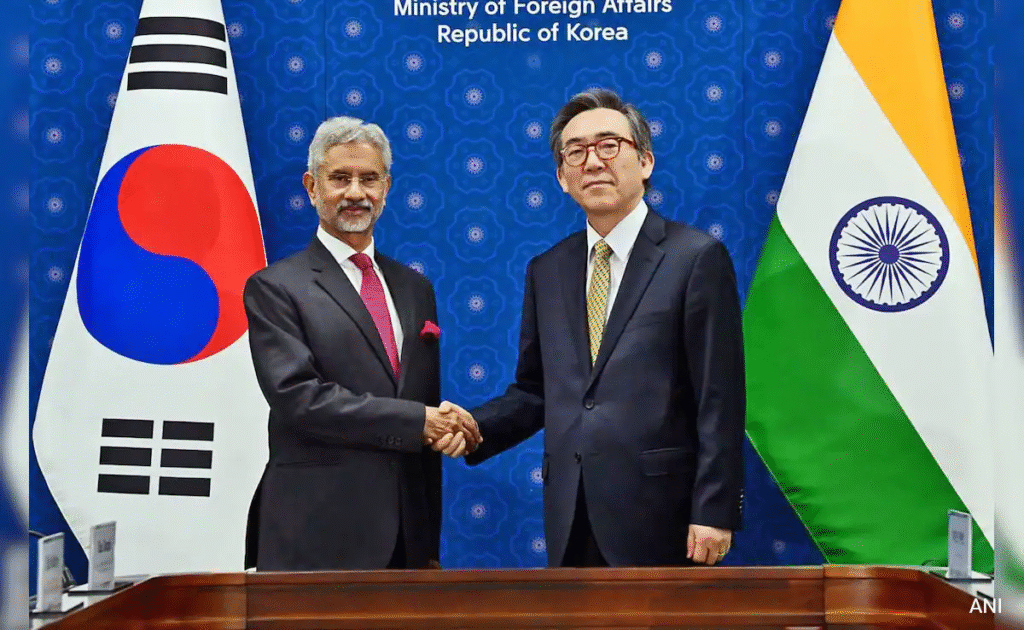
Although this theme emerged in Seoul, its meaning strongly connects with India’s own urban journey. Despite geographical distance, India and South Korea share a deeper similarity. Both are nations where tradition meets technology, and culture grows alongside innovation. Most importantly, both are rediscovering the idea that cities must care for people first.
Two Countries, One Human Vision
South Korean cities are often seen as models of efficiency. Clean lines, smart systems, and futuristic buildings define their skyline. Yet beneath this modern image lies a deeply human approach to design. For example, the Cheonggyecheon Stream in Seoul transformed an old highway into a peaceful public space. As a result, people were reconnected with nature and with each other.
Picture Credit: NDTV
Similarly, India’s cities may feel louder and more complex, but their heart is just as strong. Traditional Indian architecture focused on community. Courtyards brought families together. Stepwells became social spaces. Temples acted as cultural centers.
Today, this spirit is returning. Through initiatives like the Smart Cities Mission and sustainable housing projects in cities such as Pune and Ahmedabad, Indian urban design is becoming more people-centric.
Therefore, what truly connects India and Korea is not development alone. It is the belief that cities should serve people, not the other way around.
Shared Challenges, Shared Hopes
Both nations are facing rapid urbanization. Every year, more people move to cities. This creates pressure on housing, transport, and the environment.
However, instead of focusing only on speed, India and Korea are asking deeper questions:
- How can cities create a sense of belonging?
- How can architecture express care and empathy?
In Korea, the Seoul Biennale answers these questions through designs that support mental well-being, green spaces, and flexible living. Meanwhile, in India, young architects are exploring local materials, inclusive layouts, and community-focused planning.
As a result, both countries are redefining progress. To be “radically more human” means creating cities that listen, breathe, and remember their people.
Architecture as a Cultural Language
Architecture in both India and Korea carries emotion. In Korea, minimalism speaks through balance, light, and simplicity. In contrast, Indian architecture communicates through color, patterns, and storytelling. Despite these differences, both styles respect the past while shaping the future.
This shared vision has encouraged collaboration. Korean architects participate in Indian forums. Indian students study sustainable urban design in Korean institutions. These exchanges are not only professional but also cultural.
Picture Credit: WWW.ORFONLINE.ORG
Even popular culture plays a role. Korean dramas and design trends influence Indian youth, while Indian craftsmanship inspires Korean creators. Thus, the connection has grown beyond economics. It has become creative and deeply human.
Designing with Empathy
The idea of being “Radically More Human” teaches one essential lesson. Good design is not about perfection. Instead, it is about empathy. In both countries, social values like respect for elders and community care are deeply rooted. Now, these values are shaping urban spaces as well.
A truly human city is not defined by tall buildings. Rather, it is known for parks where elders walk, public spaces where strangers interact, and homes that offer comfort and safety. Both Seoul’s renewal projects and India’s community-based housing models aim to create these everyday human moments.
The Future: Building Together
Looking ahead, collaboration holds great promise. Imagine Indian and Korean architects working together. Korean minimalism could blend with Indian warmth. Cultural centers could celebrate shared creativity.
Such partnerships could change how the world views development. After all, the future may not belong to the biggest cities. Instead, it may belong to the kindest ones.
Conclusion
In the end, “Radically More Human” is more than a Biennale theme. It is a global reminder. India and Korea, though different in rhythm and geography, share a strong human vision. They see cities as living stories, not just concrete structures.
Picture Credit: THE KOREA TIME
Through collaboration in architecture, culture, and values, both nations offer hope. They show that even in the age of rapid growth, cities can still make space for people, emotions, and the warmth that defines humanity.
Share it with your family and friends:
Read More on our website: