
Writer: Piyush Chauhan
Editor: Arpita Jena
Sustainable Tourism in South Korea: Preserving Culture, Embracing the Future
South Korea has emerged as one of the fastest-growing tourism destinations in the world. Over the past decade, the country has transformed itself from a war-affected nation into a modern, culturally rich, and technologically advanced society. As a result, it now competes with global tourism giants.

Picture Credit: NATIONAL GEOGRAPHIC
Today, tourists visit Korea not only for its scenic beauty but also for its vibrant culture. From pop culture and festivals to historic architecture, Korea offers diverse and memorable experiences. Moreover, strong government support and global adaptability have strengthened its tourism success.
The Korean Wave and Cultural Influence
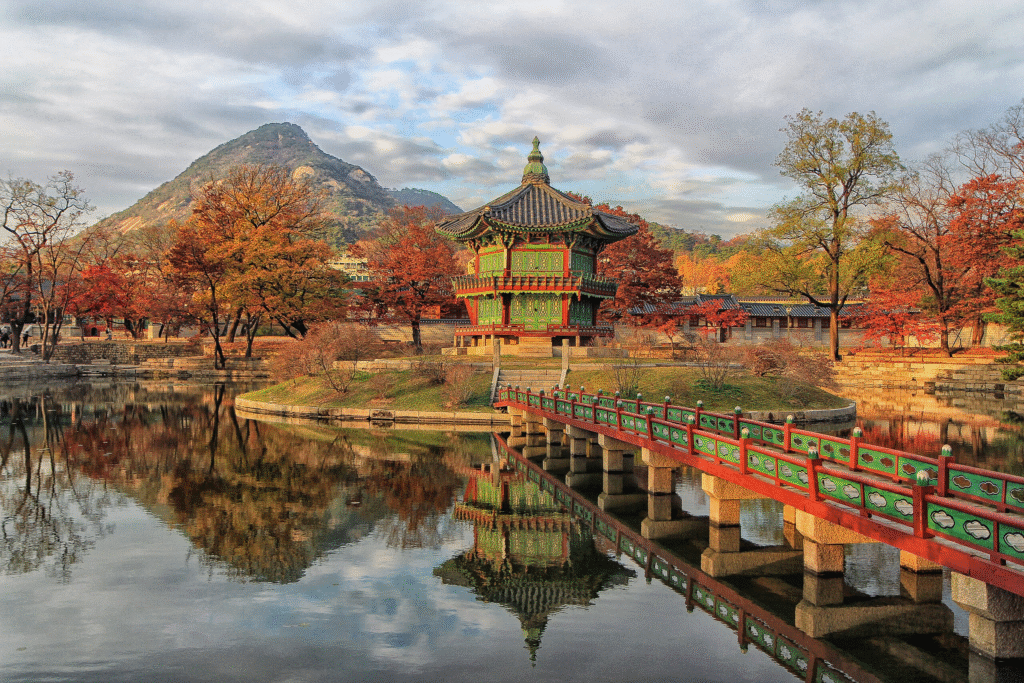
In recent years, the Korean Wave (Hallyu) has played a major role in boosting tourism. Korean dramas, films, K-pop, and digital content have attracted global attention. Consequently, international fans wish to explore Korean culture firsthand.
Picture Credit: WIKIPEDIA
Therefore, many tourists travel to Korea to attend concerts, visit filming locations, and experience local lifestyles. Popular destinations such as Seoul, Busan, and Jeju Island have benefited greatly. In addition, tourism boards collaborate with local businesses to promote cultural landmarks. This creates emotional connections and strengthens Korea’s global appeal.
Modern Infrastructure and Easy Accessibility
Another key factor is Korea’s advanced infrastructure. The country offers efficient public transport, including high-speed trains, subways, and buses. Moreover, Incheon International Airport is globally recognized for its excellent services.

Picture Credit: KED GLOBAL
Cleanliness is strictly maintained across cities. Furthermore, multilingual signs, digital maps, and mobile apps help tourists navigate easily. Online bookings and smart payment systems also enhance convenience. As a result, Korea remains a stress-free destination for international travelers.
Traditional Heritage and Cultural Preservation
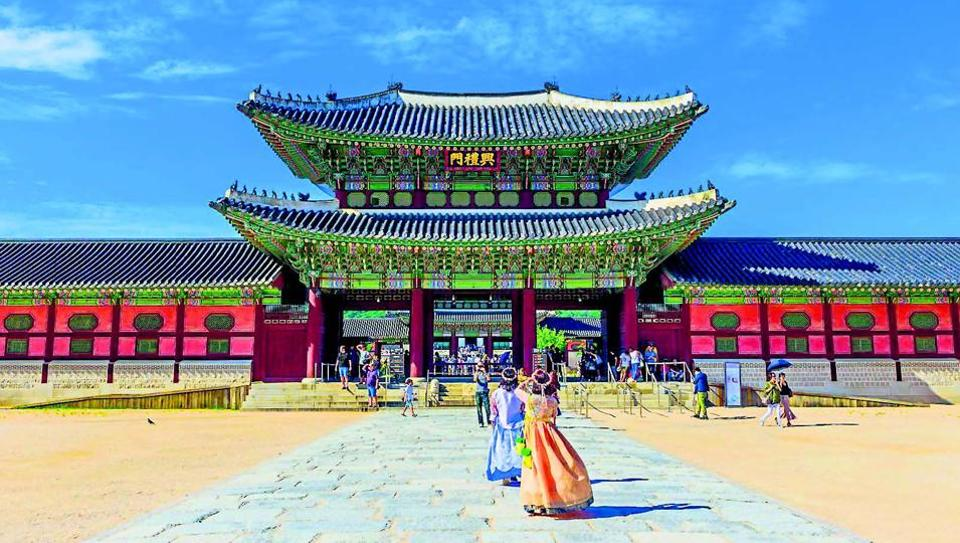
Despite rapid modernization, Korea has carefully preserved its heritage. Historic palaces, temples, museums, and traditional villages attract cultural tourists. Sites like Gyeongbokgung Palace and Bukchon Hanok Village offer deep historical insights.
Picture Credit: HINDUSTAN TIMES
Additionally, cultural activities such as wearing hanbok, tea ceremonies, and folk performances enrich visitor experiences. These practices connect travelers with Korea’s values and traditions. Thus, Korea successfully blends tradition with modern tourism.
Food Tourism and Culinary Experiences
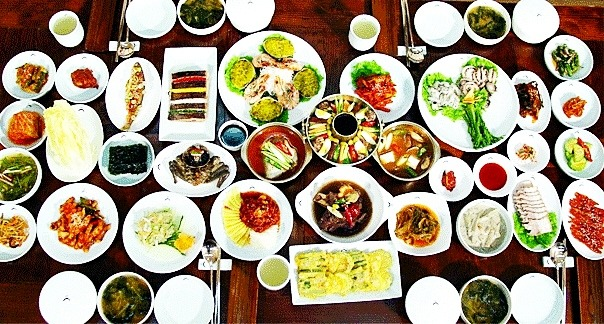
Korean cuisine has gained worldwide recognition. Dishes like kimchi, bibimbap, and Korean barbecue attract food lovers globally. Street food markets and night bazaars further enhance the experience.
Picture Credit: WIKIPEDIA
Moreover, food tourism goes beyond eating. Tourists join cooking classes and cultural food events. These interactive experiences create lasting memories. Consequently, Korean food strengthens cultural identity and tourism appeal.
Conclusion
In conclusion, South Korea’s tourism success lies in cultural promotion, innovation, and sustainability. By respecting tradition while embracing global trends, Korea has built a balanced tourism model. If this approach continues, Korea will remain a leading global tourism destination.

Picture Credit: COLOURBOX
Share it with your family and friends:
Read more on our website: