
Writer: Piyush Chauhan
Editor: Arpita Jena
How South Korea Sells Culture, Not Just Products
If we walk into any mall today, we are likely to spot a South Korean product. It may be a K-pop makeup brand, a smartphone, instant noodles, or even K-pop merchandise. By observing this closely, one thing becomes clear. South Korea is not only selling products, it is exporting its culture and lifestyle.

Picture Credit: HOTELS.COM
From technology to cosmetics, Korean brands have mastered marketing so well that buying their products feels like joining a community rather than making a simple purchase. Marketing, after all, is not a short-term activity. Instead, it is about building long-term connections, trust, and goodwill with customers.
Selling Culture Alongside the Product
What truly sets Korean brands apart is that they promote K-culture along with their products. Most advertisements simply say, “Buy this face cream.” However, Korean marketing communicates something deeper, such as “Use this and become part of the K-family.”

Picture Credit: TRIPADVISOR
This approach is widely seen in K-pop, K-dramas, and brand campaigns. As a result, customers feel emotionally connected to the brand. For example, when a K-pop idol wears a specific lip tint, thousands of fans want the same shade. Thus, the product becomes part of a shared cultural wave rather than just a cosmetic item.
The Power of Korea’s Influencer Ecosystem
Like global marketing trends, Korean brands also rely on influencer collaborations. However, they take a slightly different route. Instead of starting with global celebrities, brands often collaborate with micro-influencers, local YouTubers, and honest reviewers. These creators feel more relatable to the general public.
Most of their content includes tutorials, real-time testing, and unfiltered reviews. This builds trust with consumers first. Only later do brands expand into large-scale collaborations with famous actors or K-pop idols.
Packaging That Works Like a Billboard
Ask any regular user of Korean products what attracts them the most. Very often, the answer is the packaging. Korean brands understand that we live in the age of Instagram and TikTok. Therefore, packaging must look visually appealing on camera.
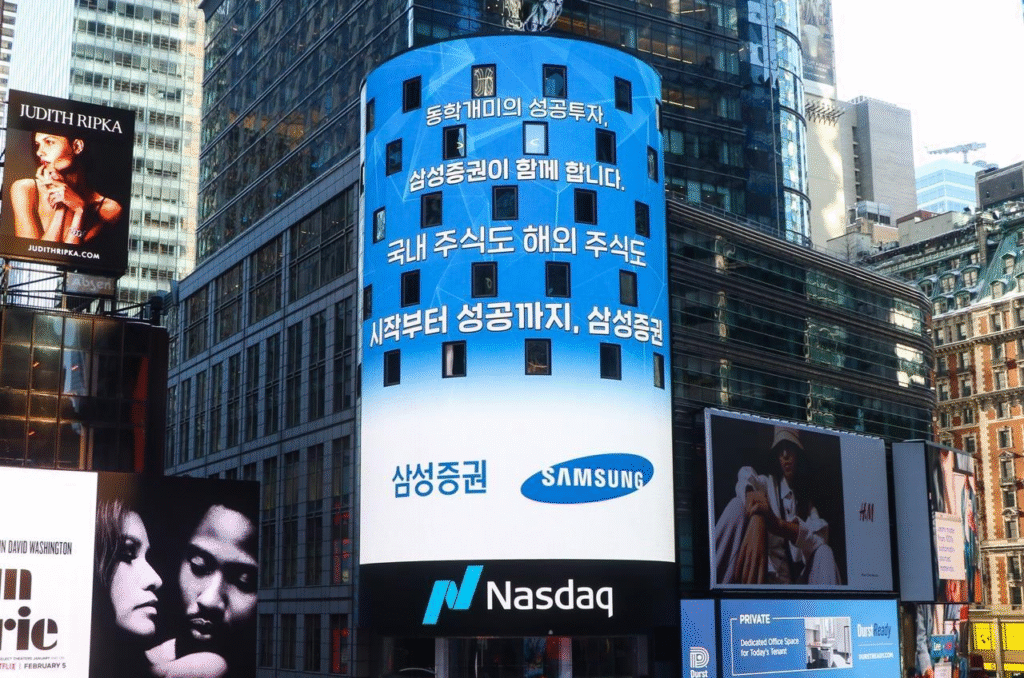
Picture Credit: THE KOREA HERALD
Bright colors, playful fonts, cute mascots, and creative shapes make products instantly shareable. Skincare items look like art pieces. Snack wrappers feature cartoon characters. Many packages even invite the customer with phrases like “Try me.” This strategy is not just about visibility. More importantly, it creates emotional engagement and brand recall.
Collaboration Mania: Creating the Unexpected
One of Korea’s most powerful marketing strategies is unexpected collaboration. Makeup brands team up with characters like Kakao Friends. Snack companies collaborate with K-pop groups. Fashion labels partner with video games.
These cross-industry collaborations spark curiosity and conversation. As a result, products gain viral attention and higher demand. For instance, a basic lip balm may sell normally. However, a limited-edition BTS lip balm instantly becomes a collector’s item.
Customer Experience Comes First
While many brands focus only on sales numbers, Korean companies prioritize customer experience. K-beauty stores provide testers. Food outlets offer free samples. Tech brands allow hands-on demos with guidance.
Even online stores include free samples with purchases. This approach reduces hesitation and increases trust. Eventually, this consistent focus on experience builds strong customer loyalty.
Affordable Luxury: Premium Feel, Reachable Price
Another key strength of Korean marketing is affordable luxury. Products look premium and high-end. However, prices remain accessible to middle-class consumers.
Skincare offers excellent quality at reasonable prices. Smartphones deliver flagship-like features with flexible EMI options. As a result, customers enjoy a sense of exclusivity without financial pressure.
Conclusion: A Marketing Model the World Can Learn From
South Korea’s success lies in one powerful idea.
They sell culture, emotion, and belonging along with products.
Through storytelling, collaboration, design, and customer care, Korean brands have built global loyalty. This is not just marketing. It is cultural diplomacy through commerce
Share This With Your Family And Friends:
Read More on Our Website: