
WRITER : DHAVAN AASHIKA PREMSINGH
EDITOR : ARPITA JENA
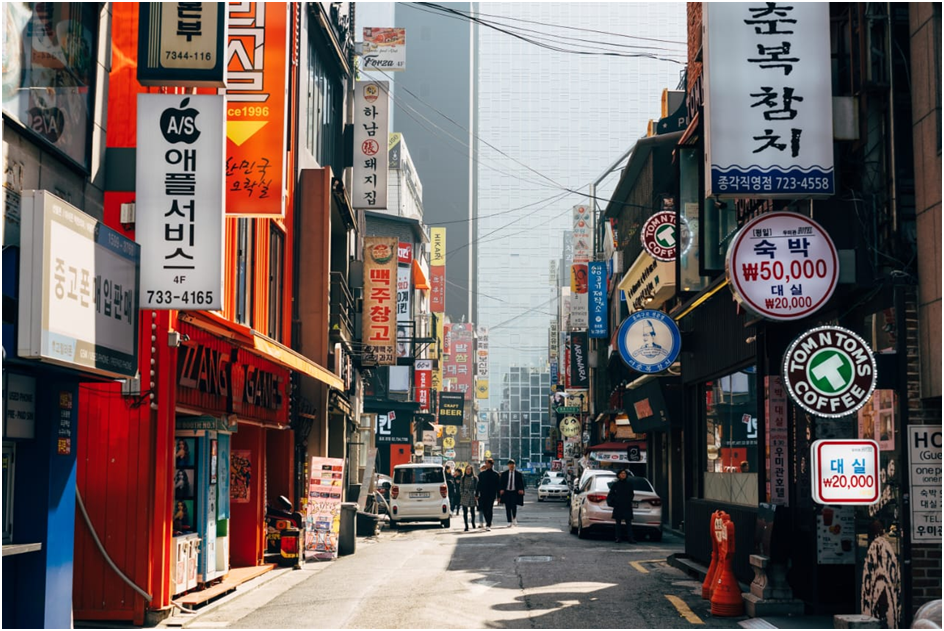
South Korea has become a very popular travel destination. Its music, dramas, food, and festivals attract millions of visitors every year. The rise of Korean culture around the world, called Hallyu or the Korean Wave, has helped people learn more about Korea. Festivals, concerts, and cultural events also show Korea’s modern and traditional sides. Together, these things make a big impact on tourism and how the world sees Korea.
Picture Credit -: Pixabay
1. Hallyu (Korean Wave) and Tourism
K-pop and K-dramas make many people want to visit Korea. A 2024 survey found that 38.3% of foreign visitors came to Korea because of Hallyu, which was higher than the 32.1% in 2023 . Fans want to see filming locations, concert halls, and shops related to their favorite stars.

Picture Credit: NETFLIX
Korean TV shows and movies also help promote travel. For example, after the movie KPop Demon Hunters was released, many fans started visiting the places shown in the film . This shows how Korean entertainment brings more visitors and interest in local culture.
2. Economic Benefits of Festivals
Festivals help local cities earn more money. The Gwangyang K-pop Festival made about 4.2 billion KRW through tickets, hotels, food, and shopping. Events like these attract both Korean and foreign tourists, which helps small businesses and restaurants.
The Jarasum Jazz Festival welcomes around 200,000 people every year . Visitors come from many countries to enjoy the performances. These festivals increase tourism and bring international attention to local areas.
3. Government Support and Tourism Growth
The Korean government supports tourism through special programs and visa rules. In 2024, Korea had about 16.3 million international visitors, almost as many as before COVID-19 . The government also makes it easier for tourists from countries like China and Thailand to visit by allowing group visas and short-term visa-free entry.
Picture Credit: visitkorea
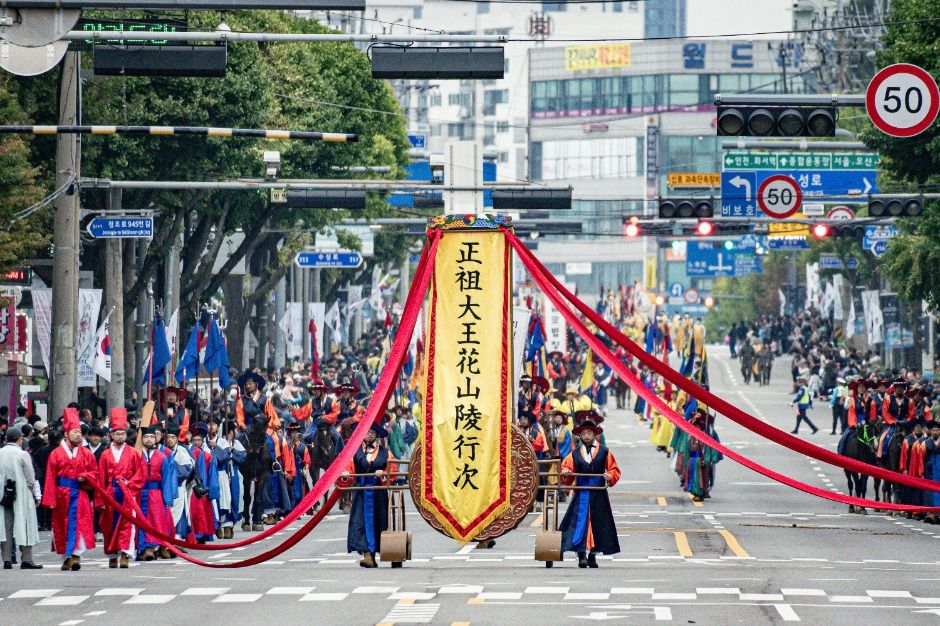
Korea is building more places for events and concerts. The Seoul Arena, opening in 2027, will host big K-pop shows and cultural events . Festivals such as the Suwon Hwaseong Cultural Festival even use AI translation and multilingual guides so that visitors from around the world can enjoy without language problems.
4. Korean Festivals as Soft Power
Korean festivals help show the country’s culture to the world. The Suwon Hwaseong Cultural Festival mixes traditional royal performances with modern shows. Through these events, Korea shares its history and art in a fun way that appeals to visitors of all ages.
K-pop festivals and cultural events also improve Korea’s global image. The Gwangyang Festival helped the city become known as a “global tourism city”. These events act like cultural ambassadors, spreading positive views about Korea and encouraging friendship between countries.
5. Challenges and Sustainability
Tourism growth also brings some problems. Famous tourist spots like Jeju Island and Bukchon Hanok Village are getting too crowded. This causes waste and damages the environment. The government now encourages tourists to visit smaller, lesser-known places to protect nature and balance travel across the country.

Picture Credit: dynasty korea
Another issue is keeping culture real and traditional. As festivals grow and become more commercial, there is a risk that traditional values may fade. Korea is working to balance global appeal with cultural authenticity, so its festivals stay meaningful and respectful to their roots.
Conclusion
Korean tourism and festivals have a huge global influence. The popularity of K-pop, K-dramas, and cultural festivals attracts millions of visitors and helps Korea’s economy. Government support, modern infrastructure, and creative ideas make the country even more tourist-friendly. However, Korea must also focus on sustainability and cultural balance. By doing so, Korea can continue to share its traditions and creativity with the world for many years to come.
Share it with your Family & Friends :