
WRITER : ARPITA SINGH
EDITOR : SHIVRAJ PATEL
Picture Credit : BBC NEWS
Media and communication are two of the most powerful forces in mobilizing societies intoday’s world. South Korea is one such country that not only transformed its national culture through media but gave rise to an identity that is global. From the dissemination of news to entertainment, and from the web to cultural diplomacy, the media industry of Korea is living evidence of the power of communication to shape, unify, and motivate globally.
The History of Korean Media
The Korean mass media began in the late 19th and early 20th century with newspapers. The sector, though began to develop strongly after the Korean War (1950–1953). While the nation rebuilt, the media became a significant instrument in spreading information, building national identity, and shaping social progress.
The introduction of television in 1956 was a milestone. Korean TVs such as KBS, MBC, and SBS became popular over time, providing news, dramas, variety shows, and cultural programs. Television became a part of the core of Korean living rooms in the 1980s and 1990s, playing double roles as a political learning and entertainment tool.
Now, Korea has one of the richest and most advanced media cultures in Asia, with old media supported by cutting-edge digital media.
The Korean Wave: A Media Revolution
Its greatest awe is its role in generating Korean Wave (Hallyu)—worldwide popularity of Korean drama, music, movie, and fashion. It began with the exportation of television dramaslike Winter Sonata in the late 1990s and gained momentum through the popularity boom of K-pop in the 2000s.
By the mastery of television, music, social media, and streaming, Korea brokered between culture and language. Groups like BTS and BLACKPINK, with the kind of enormous digital promotion and fan-based strategies behind them, are now global icons. Similarly, Parasite and shows like Squid Game are the realization of narrative power of Korean filmmakers.
The cultural export that further helped propel the Korean economy and rebrand the country’s global image is that media can be employed as soft power.
Technological Innovation and Digital Media
South Korea is one of the most technologically advanced society in the globe, and so is its media. It has ultra-fast internet, smartphone penetration and adoption of 5G that are fertile ground for digital communication.
Cyberspace is dominated by social media platforms like YouTube, KakaoTalk, Naver, and Daum. Korean content creators are highly active, producing all types of news and entertainment, beauty tutorials, and game streaming.Platforms like AfreecaTV and V Live allow real-time interactions among fans and celebrities, creating a personalized and interactive media culture.
This technological and communicative convergence has brought about increased expectations of how media industries operate globally.
News, Media and Journalism
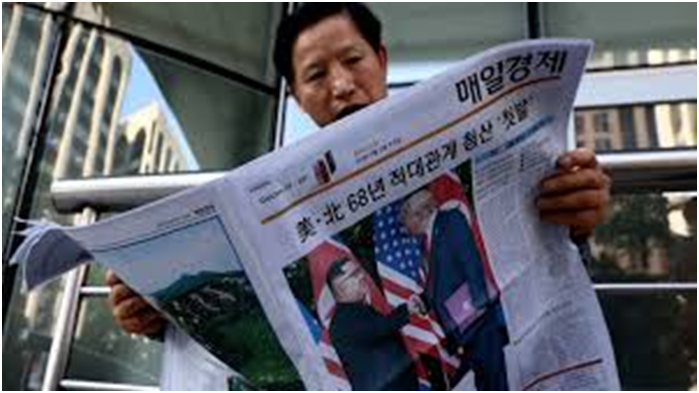
Though entertainment is likely to attract worldwide attention, journalism too has a valuable segment of its media. Daily newspapers such as The Korea Herald, Chosun Ilbo, and Hankyoreh that present diverse hues of opinion ranging from right-wing conservative to left-wing progressive views.
The news on TV channels is delivered 24/7, and web portals such as Naver News aggregate the stories from numerous sources so that news reading is extremely digitalized. The journalism in Korea is threatened, however, by political interference, media conglomerate domination, and swift dissemination of false information through social media.
Despite all these risks, the nation remains based on a robust culture of media where information suffuses public life.
Advertising, PR, and Global Branding
South Korea is known to have one of the most innovative and competitive advertising economy among all the countries of Asia. The media and communication sector closelycollaborates withthe fashion, technology and beauty sectors. Global brands like Samsung, Hyundai, and LG use creative campaigns to build their global brand identity, while Korean cosmetic industries highly rely on online marketing in hopes of becoming global.
Both corporate and public relations are equally important, especially in conveying Korea’s image abroad. Similar to cultural exports of film and K-pop, Korean businesses also gain from the positive image created by the entertainment sector.
Media as Cultural Diplomacy
Korean media is not merely an economic tool; it is also a cultural diplomacy instrument. Through television dramas, music, films, and news, South Korea exports its values, lifestyle, and ingenuity to the international world.
The government has also intervened. The Ministry of Culture, Sports, and Tourism, for instance, invests in international promotion of Hallyu content. Korean embassies and overseas cultural centers host screening, concerts, and exhibitions so that the media is not merely entertainment but also bridges for global relations.
Challenges in the Korean Media Landscape
Although it thrives, the Korean media market also has issues. The market is dominated by big entertainment agencies and broadcasting corporations at times, excluding independent thoughts and diversity. Spread of information online and harassment have become increasingly prevalent in the age of the internet.
In addition, the high demand placed on celebrities by fans and media attention has led to entertainment reporting under scrutiny for ethics and responsibility. The question of balancing creativity, revenues, and welfare remains.
The Global Impact
South Korean media has revolutionized the manner in which communication may cross borders. The success of Korean programming to reach Asian, European, American, and other consumers is evidence of cross-cultural storytelling appeal.
How Korean media works is not just its technical skill but emotional connection too. The way they portray such common themes of love, friendship, suffering, and dreams, Korean music and drama connect on a universal level. Though they have certain distinctive cultural aspects that create curiosity about Korea as a nation.
Conclusion
Mass Communication and Media in South Korea is not merely an industry—it’s a technology phenomenon with tradition, a strategy with creativity, and a diplomacy with entertainment. From the visionary era of newspapers and television to today’s global leadership of K-pop and online streaming, Korea has exemplified the media role of shaping the nation’s identity and global presence.
Through the grasp of the art of communication, South Korea has proved to the world that media is more than a story; it is a connecting bridge that links culture to culture, drives innovation, and transforms societies. The Korean media industry, over the next few years, will remain a trendsetter in the world, prompting other nations to unlock the power of communication in similar manners.
Share it with your Family & Friends :