
WRITER – KIMAYA AMBEDKAR
EDITOR- ARPITA JENA
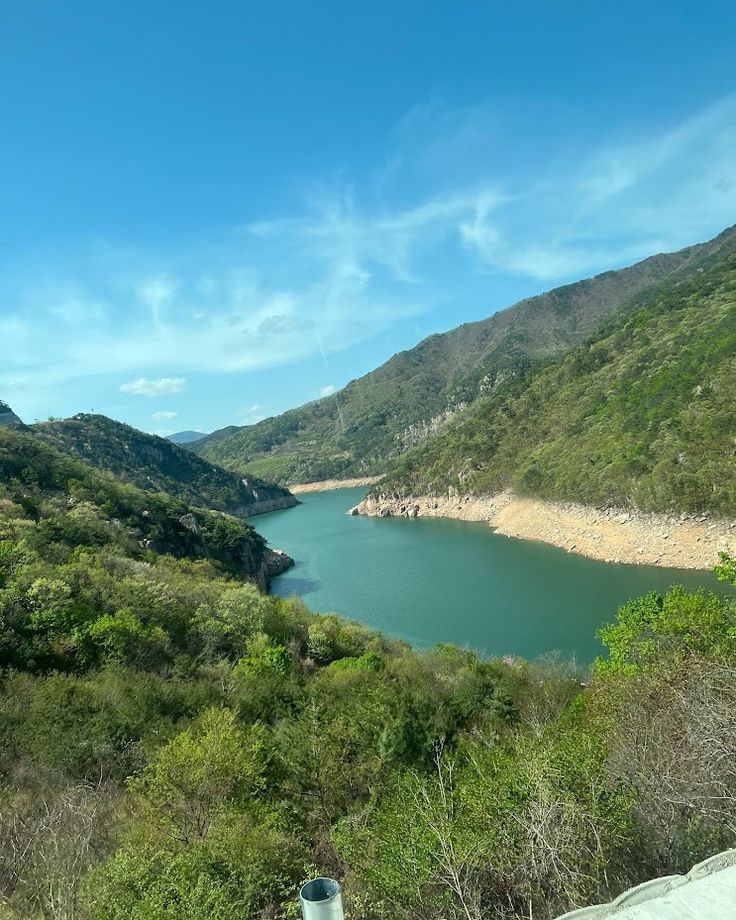
There is something enchanting about the sound of “Arirang” filling the air around the Miryanggang River when the sun is fading. That haunting melody, echoed by the evening breeze, almost sings to us of love and loss and contains the dreams and hopes of countless hearts through Korean history.
The Song of a Nation
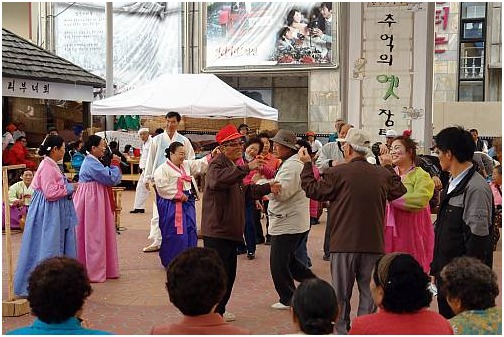
© Jeongseon Arirang Research Institute, 2009
We know “Arirang” well enough, as it is essentially Korea’s national anthem, but until you have heard it sung alongside a river in its purported place of origin, you cannot possibly understand its impact. The festival held from May 22-25 in Miryang, Gyeongsangnam-do Province, is a commemoration of this UNESCO folk song and all of its regional variants. “Arirang” has roots from the travails of farmers traversing the mountain trails—”Arirang, Arirang, Arariyo, to the top of Arirang road”—and you still get the raw emotion if you have a chance to hear it live.
What was most impressive to me was the way that this centuries-old melody is still in motion. At the night of performances, there was a contemporary band mixing in electronic rhythms with the traditional gayageum strings and producing something that, while rooted in the past, seemed both timeless and utterly modern. It’s this kind of innovative blending that gives the festival its uniqueness—it’s not about only honouring the past but keeping it vibrant and present. Settings That Take Your Breath Away The two central venues of the festival couldn’t be better. Yeongnamnu Pavilion, which towers theatrically above the river, is one of Korea’s three most beautiful pavilions. Sitting through traditional performances on its wooden decks, surrounded by the flowing Miryanggang below, was like walking into a historical painting. Such is the Joseon Dynasty architecture that you can’t help but forget you’re in the 21st century. The riverbank sites have a totally different atmosphere. Try to envision this: outdoor stages along the water’s edge, stalls selling all manner of foods from mug wort rice cakes to grilled eel, and families having picnics under canopies with lanterns. The ambiance is laid-back and hospitable—the kind you’d expect from a community festival.
Star Power Meets Folk Tradition Last year’s showstopper was most certainly the musical “Mourning with a Sword,” one of the productions in the River Odyssey series. Song’s commanding stage presence gave gravitas to the warrior hero, and Sunye’s return to the stage after her K-pop years provided a welcome air of freshness to the production. But honestly, some of the best experiences were from the lesser-celebrity singers. There was this old pansori singer who had everyone in the audience crying during her performance of “Arirang.” No fancy setting, no over-the-top costumes—just raw, unadorned emotion expressed through her voice. That’s the glory of this festival; it honours both the stars and the tradition keepers. More Than Just Watching What makes this festival stand out among other culture festivals is just how participatory it is. The karaoke session of folk songs picked up three versions of “Arirang” from different regions. The vocal coaches were amazing, and soon even this tone-deaf author was singing confidently by the end. The workshops where they make the instruments were also a thrill. Seeing artisans craft old-style janggu drums and bamboo flutes, it helped us understand Korean musical heritage all the more. A Festival for Everyone 38 various programs over four days means there’s really something for everyone. History buffs can walk heritage exhibitions chronicling “Arirang’s” development, while families bask in rainbow parades passing through Miryang’s historic old town. Food enthusiasts will devour the riverside food corner—those “Arirang Set” picnic baskets served with makgeolli were ideal for a waterside dinner at sundown. The organizers have gone out of their way to make it accessible to foreigners. Multilingual guides and translated schedules make sure language is not a hindrance to anyone enjoying the experience. A Living Cultural Heritage What most amazed me about the Miryang Arirang Festival is that it demonstrates how cultural preservation doesn’t equate cultural stagnation. By providing spaces where traditional and modern expressions of “Arirang” can blend and inspire one another, the festival continues this valuable folk song for future generations. It’s not merely viewing performances—it’s about being an active participant in living cultural heritage that links you to the very center of Korean identity. And there’s something truly moving in being part of hundreds of voices singing “Arirang” against the night sky along the Miryanggang River. Some things simply cannot be learned out of a textbook.
Reference :[1] https://en.unesco.org/silkroad/silk-road-themes/intangible-cultural-heritage/arirang-lyrical-folk-song-republic-korea[2] https://ich.unesco.org/en/RL/arirang-lyrical-folk-song-in-the-republic-of-korea-00445
Credits for images :Image taken from UNESCO, Intangible Cultural Heritage
Share it with your friends and family :