
WRITER : CHIEMELA PRECIOUS ONYINYECHI
EDITOR : SHIVRAJ PATEL
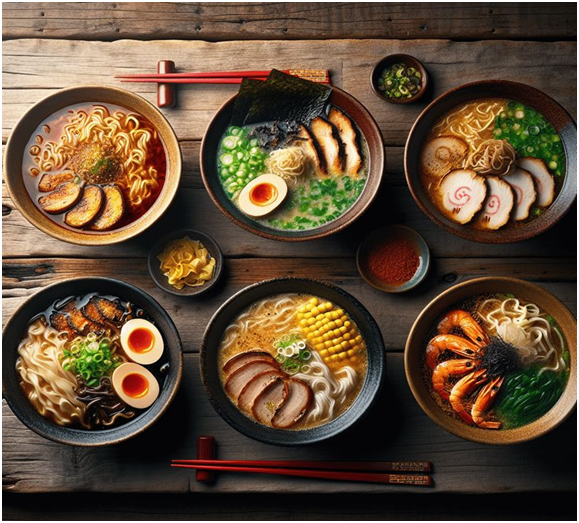
Picture Credit : checkcharm.com
Korean cuisine has always fascinated me, and among all its delicious dishes, ramyeon has a special place in my heart. I first discovered it at a local Korean grocery store, where the colourful packaging and intriguing flavours immediately caught my eye. In Nigeria, we often call instant noodles simply “noodles,” but Korean ramyeon offers a unique experience beyond the familiar taste I grew up with. The vibrant soup packets, spicy aroma, and unique noodle texture made me curious to try it immediately.
The first time I prepared it, I noticed the aroma of the spices and the rich, savory broth. Boiling the noodles and watching them soften while the flavours blended together was almost therapeutic. The first bite was an explosion of taste—the spiciness and umami notes combined in a way that was both comforting and exciting. Unlike regular instant noodles, ramyeon felt like more than just a quick meal; it was a small celebration of Korean culture on my plate. I also appreciated how quick and simple it was to make, yet the taste felt like something prepared with care and tradition.
I also tried experimenting with the dish, adding vegetables like spinach and carrots, and sometimes a boiled egg. These simple additions not only made the meal healthier but also allowed me to enjoy the cooking process more fully. I realized that preparing ramyeon could be both fun and educational, teaching me about balance, nutrition, and flavour combinations. Each variation gave a slightly different taste, encouraging me to explore more recipes and experiment with Korean flavours at home. Even the way the noodles slightly firmed while absorbing the broth added to the satisfaction of cooking and eating it.
Beyond the taste, ramyeon inspired me to reflect on healthy eating habits. In Korea, food is often seen as medicine, emphasizing the connection between what we eat and our overall well-being. By adding vegetables or protein to my ramyeon, I understood that even an instant dish could become part of a balanced diet. This small act of modifying the recipe reminded me of the importance of nutrition and self-care, ideas that I could apply in my daily life beyond cooking. I also started paying more attention to portion sizes, seasoning, and balancing flavours in everyday meals.
Eating ramyeon also sparked my curiosity about Korean culture. I began learning about traditional ingredients like gochujang (red chili paste) and dried seaweed, and I watched cooking videos to see how different regions prepare noodles. It felt like a journey, connecting me to Korea not just through taste but through the stories and traditions behind each dish. I realized that food could be a gateway to understanding a culture, its values, and even its approach to health and wellness. Each bowl of ramyeon became a small lesson in culture, flavour, and mindful eating.
Sharing my ramyeon experience with friends and family made it even more enjoyable. We compared it to our Nigerian noodles, laughed about the differences, and talked about how each culture values food. I felt proud introducing them to something new, while also appreciating how minor changes, like adding vegetables or protein, could transform a simple dish into a healthier option. Watching them enjoy it gave me satisfaction and encouraged me to explore even more Korean recipes.
In conclusion, ramyeon is more than just my favorite Korean delicacy; it is a reminder of the importance of creativity, culture, and healthy habits. From the first spicy slurp to experimenting with nutritious additions, the experience has taught me to appreciate flavors, explore new culinary ideas, and make mindful choices about my health. Korean ramyeon has inspired me to view food as both enjoyable and meaningful, bridging culture, taste, and wellness in every bowl. Each meal is not just nourishment but a small journey connecting me to Korea’s rich culinary tradition and health-conscious approach to food.
Share it with your Family & Friends :