Writer : MANU SINGH
Editor : SHIVRAJ PATEL
Superstitions are present all over the world with every country having its specific cultural beliefs which they have been following since time immemorial. Korea to have its world of superstitions which are deeply rooted in Korean Shamanism and folk traditions. Cultural transmission, cognitive biases and evolutionary roots have led to the persistence of these superstitions in our society even today.
Let’s look at some of these superstitions: –
I) THE AVOIDING OF RED INK

Picture Credit: www.reddit.com
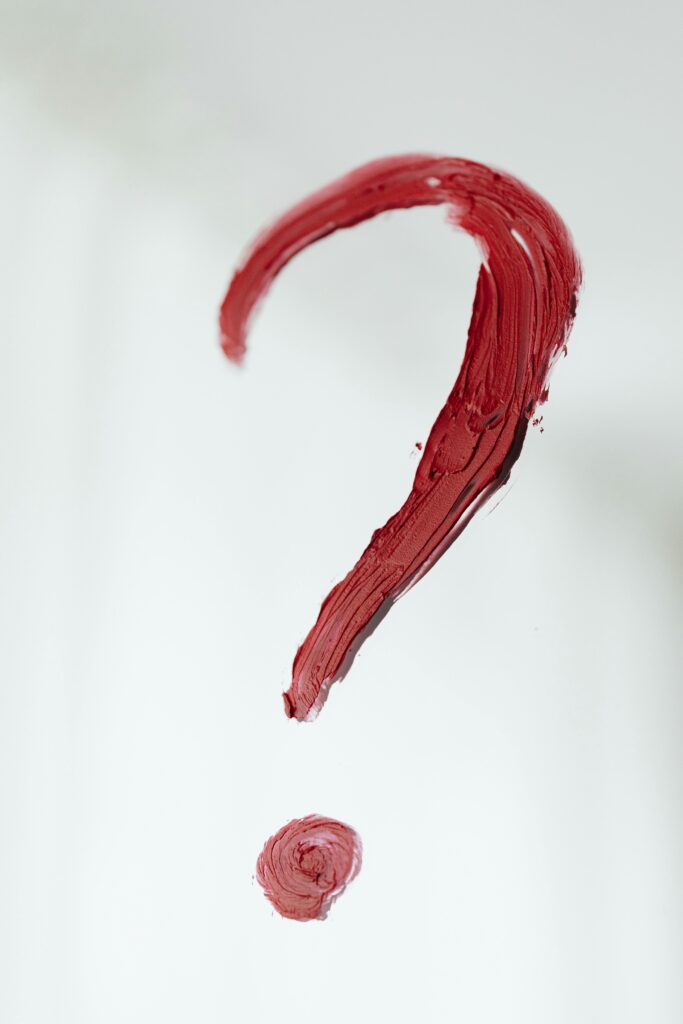
People in Korea avoid using red ink while writing names as it is associated with death or misfortune. One of the reasons behind this is that traditionally, people used red ink to write the names of the deceased in the family register. This Shamanistic belief is believed to be originated from China as red calligraphy was used to mark the execution decrees. Hence red colour denotes death.
Red ink can only be used for a 도장 (DOJANG) {Personal stamp}, which was traditionally used for a signature.
II) “PIGGY BANK”
If Korean people see pigs in their dream, then it is believed that money will come their way. This is because in Korean language 돈 means money and in Chinese language this word 豚also means pig. According to traditional Korean culture pig is a symbolic of wealth and fortune.
III) SOAP AND TOILET PAPERS AS GIFTS
Housewarming in Korean is 집들이 and the most common gifts that you will receive at a housewarming are soaps and toilet papers. This is because Korean people believe that just like soap bubbles you will earn a lot of money. If you receive a toilet paper as a gift, then just like the length of the toilet paper, you will also have a long life.
IV) LONG TTEOK ———-à LONG LIFE
In South Korea eating rice cake soup on New Year’s Day (설날) is an old tradition which is believed to bring good luck, wealth, fortune, and prosperity. The long cylindrical rice cakes represent a long and healthy life. The round shape is a symbolic of wealth and fortune. Also, usually tteok is eaten with the family members on New Year’s Day, hence it strengthens the family bond as well.
V) LOOSING A TEETH ß——à LOSING A LOVED ONE
In Korean superstition, if one dreams of losing their tooth then it signifies a bad omen often symbolising the potential illness or even death of a relative or loved ones. If people dream of losing multiple teeth at a time, then in that case, it symbolizes a multitude of challenges. Some say, if you lose the upper teeth, it symbolizes an elder (someone older or of a higher rank), whereas the lower teeth symbolize a junior.
VI) F INSTEAD OF 4
This is one of the most famous superstitions in Korea. In Korea people do not use 4 to represent fourth floor in their lifts instead they use F. The reason being that, in Korea 4 is a symbol of bad luck. This is because the pronunciation of number four in Korean language 사 is like the sound of the Chinese character 死 which means death in Chinese. In China as well as Japan, 4 is a symbolic of death and misfortune.
NOW THESE MIGHT BE SOME SUPERSTITIONS THAT OVERLAP WITH OUR INDIAN SUPERSTITIONS AND PERSIST IN THE SOCIETY EBVEN TODAY: –
I) In Korea, if people in the morning hear Kachi bird’s (Oriental Magpie) sound, it symbolizes that guest might come over soon. So, hearing Kachi’s sound is believed to be a good omen.
Similarly, in India also it’s a popular superstition that if you hear a crow’s sound then it also symbolizes that some guests might come over soon.
II) Korean people think that shaking their legs, if they are in a sitting position will drive away their wealth and Goodluck. This is why Korean people do not like it when you shake your legs.
In India also we can find the exact same superstition. In India also it is believed to drive away your luck and prosperity. This is why we get scolded by our elders when we shake our legs.
Share it with your family and friends:
Interesting article ☺️☺️☺️
Would love to see more work