
Writer : Tanvi Rana
Editor: Arpita Jena
Introduction
Seollal means the Korean Lunar New Year ,celebrated on the very first day of the Korean lunar calendar. It usually falls in late January or early February according to the Gregorian calendar . Seollal celebration continue for more than three days ( the day before the New Year , the main seollal day , and the day after).
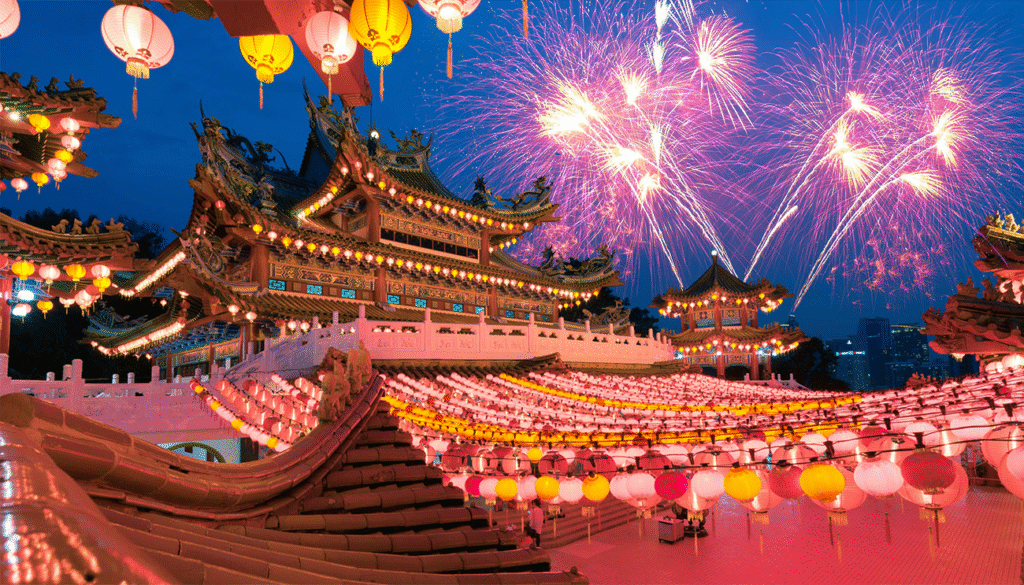
Picture Credit: DAILY NEWS EGYPT
Seollal is one of the most important festivals in South Korea because it is deeply family centered. During this time , families come together to honor their ancestors, strengthen family bonds, and welcome a new beginning. Traditional customs such as Sebae(deep bows to elders) , Charye(ancestral rites) , and the exchange of blessings reflect Korea’s respect for elders and cultural values. More than just a New Year Celebration, Seollal helps preserve Korean traditions while wishing for health and prosperity and a good future.
What is Seollal?
Seollal is the traditional Lunar New Year of South Korea, celebrated according to the lunar calendar ,the beginning of a new year and is considered one of the most significant national holidays in the country . Unlike western New Year celebrations, seollal focuses less on parties and more on family, respect, and tradition.
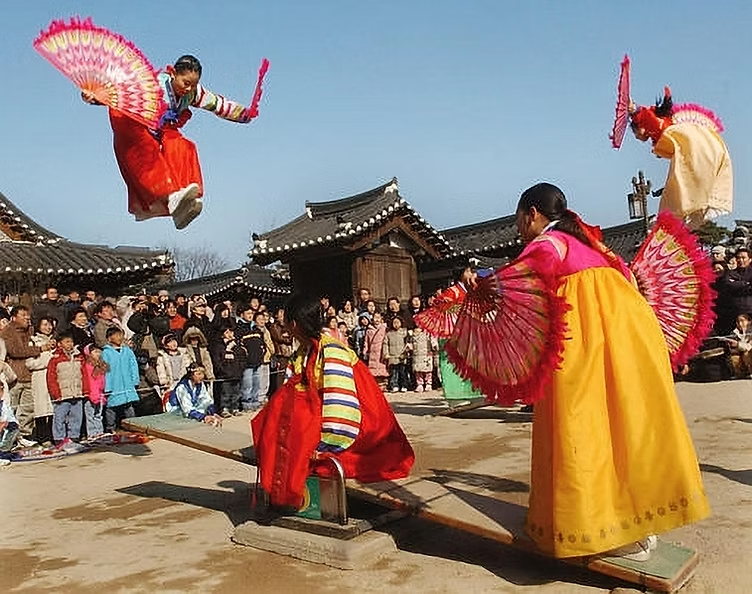
Picture Credit: SKOT INDIA
The festival celebration goes on for three days . During this period, schools , offices, and businesses remain closed , allowing people to return to their hometowns and spend time with family members. Millions of Korean people travel across the country, making Seollal one of busiest travel days of the year.
Seollal represents renewal and reflection. It is a time when people look back with gratitude toward their ancestors and move forward with hope for a prosperous and healthy future. The customs practiced during Seollal highlight the importance of family unity and the preservation of Korea’s cultural heritage.
Cultural Significance of Seollal in South Korea
Seollal ,the Korean Lunar New Year is very important in South Korea. Confucian values plays a vital role in influencing this festival, which emphasize respect for elders, family, remembrance of ancestors.
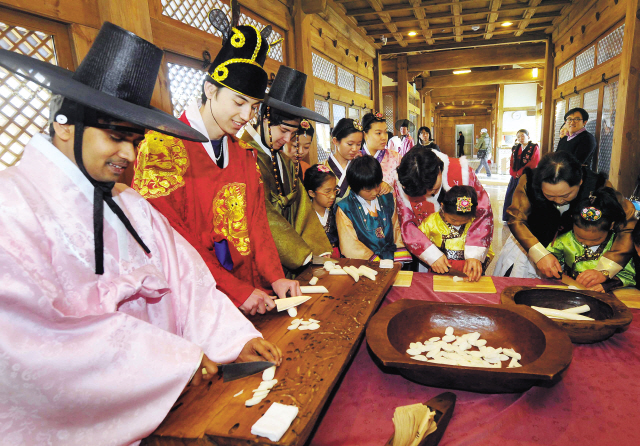
Picture Credit: THE KOREA HERALD
Unlike modern celebrations that focus on entertainment, the roots of Seollal is in tradition and meaningful rituals that connect generations. Through rituals like Charye , families express gratitude to their ancestors for guidance and protection. This tradition reinforces the belief that the past and present are closely connected and that respecting one’s roots is essential for a good future.
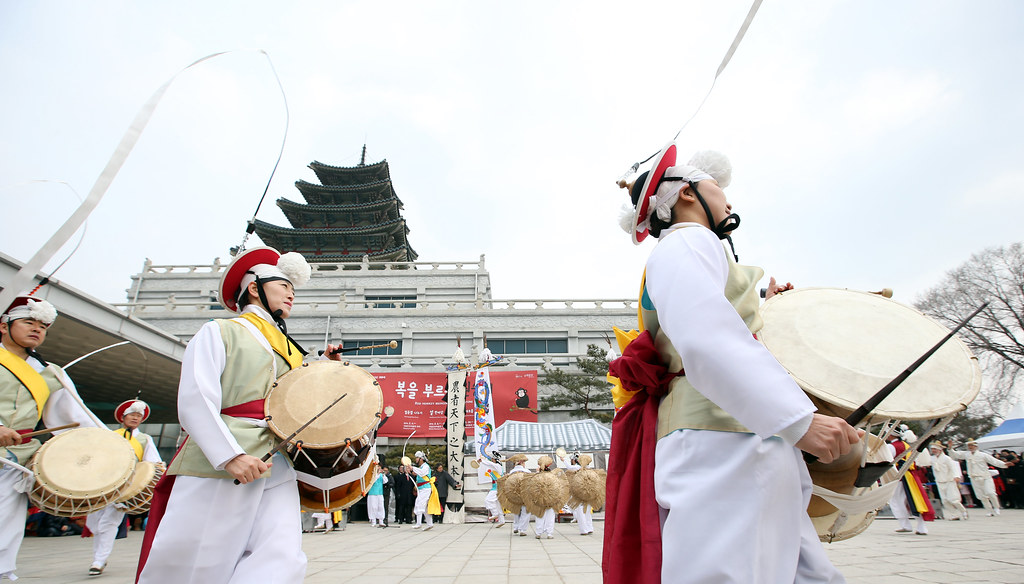
Picture Credit: KOREA.NET
Seollal is also significant because it strengthens family bonds. Family members who may not meet often throughout the year come together during this time and share meals , perform rituals and spend quality time together. Elders pass down stories, values, and traditions to younger generations , helping preserve Korean culture, one of the most meaningful festivals in South Korea.
Major Seollal Traditions and Customs
It’s a meaningful tradition which reflects respect, gratitude, and family unity . These customs have been followed for generations and are still practiced in modern South Korea, especially within families.
●Charye – Ancestral Memorial Ritual
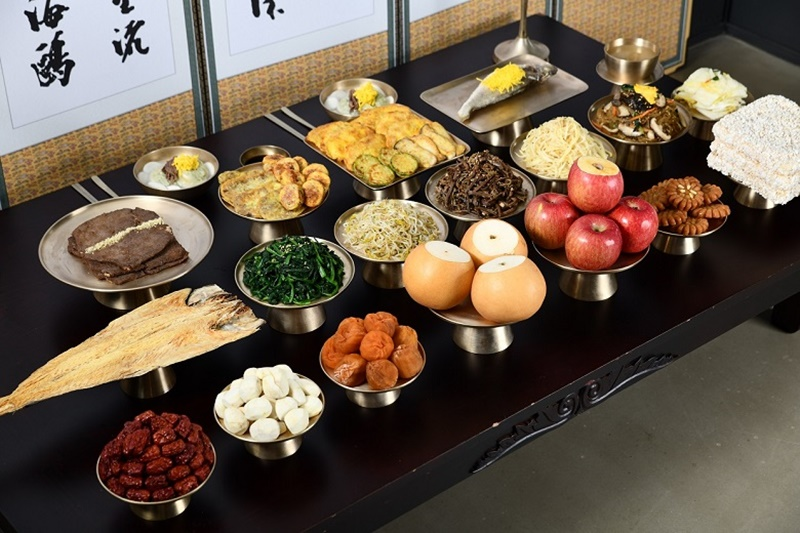
One of the most important Seollal traditions is Charye. It is a ceremonial ritual to honor ancestors. Early in the morning, families prepare a table with carefully arranged traditional foods such as rice, soup, fruits, and side dishes. Family members then perform deep bows as a sign of respect and gratitude.
Picture Credit: WIKIPEDIA
Charye symbolizes appreciation for ancestors who shaped the family’s life. It also reflects the Confucian belief that honoring one’s ancestors brings harmony, blessings, and protection to the family.
●Sebae – Traditional New Year Bow
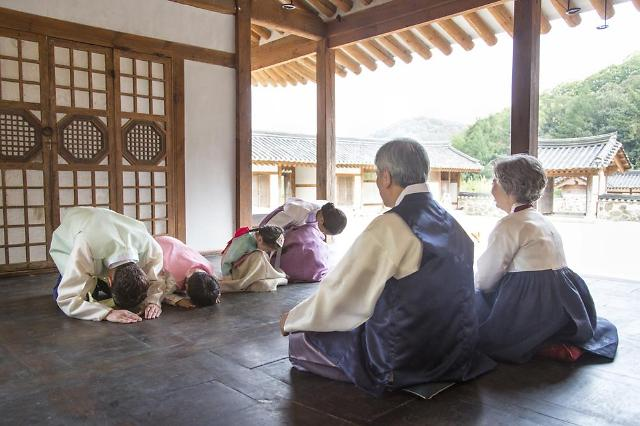
Sebae, where younger family members perform a deep formal bow to elders. Through Sebae, children and younger relatives show respect and wish elders a happy and healthy New Year.
Picture Credit: KIM’C MARKET
In return, elders give blessings, advice for the future, and often Sebae money (Sebae-don), especially to children. This tradition strengthens emotional bonds between generations and reinforces the value of respecting elders in Korean culture.
These traditions make Seollal more than just a holiday. They transform it into a meaningful occasion where families reconnect, express gratitude, and begin the New Year with mutual respect and positive intentions.
Traditional Food of Seollal
Food plays a very important role in Seollal celebrations, as it represents prosperity, purity, and togetherness. Families prepare and share special traditional dishes, but the most significant food of Seollal is Tteokguk.
Picture Credit: KOREA.NET
●Tteokguk – Rice Cake Soup
Tteokguk is a traditional soup made with sliced rice cakes cooked in a clear broth, often garnished with egg, seaweed, and meat. Eating Tteokguk on Seollal is considered essential, as it symbolizes growing one year older and starting the New Year with a clean and pure heart.
The white color of the rice cakes represents purity and new beginnings, while the round shape symbolizes prosperity and good fortune. In Korean culture, it is commonly said that a person officially becomes older only after eating a bowl of Tteokguk on Seollal.
●Other Traditional Dishes
Apart from Tteokguk, families also enjoy a variety of traditional foods such as:
○Jeon (savory pancakes)
○Japchae (stir-fried glass noodles)
○Rice cakes and fruits
After ancestral rituals, reinforcing the idea of family unity and celebration, everyone shares these dishes.
Traditional Clothing and Games During Seollal
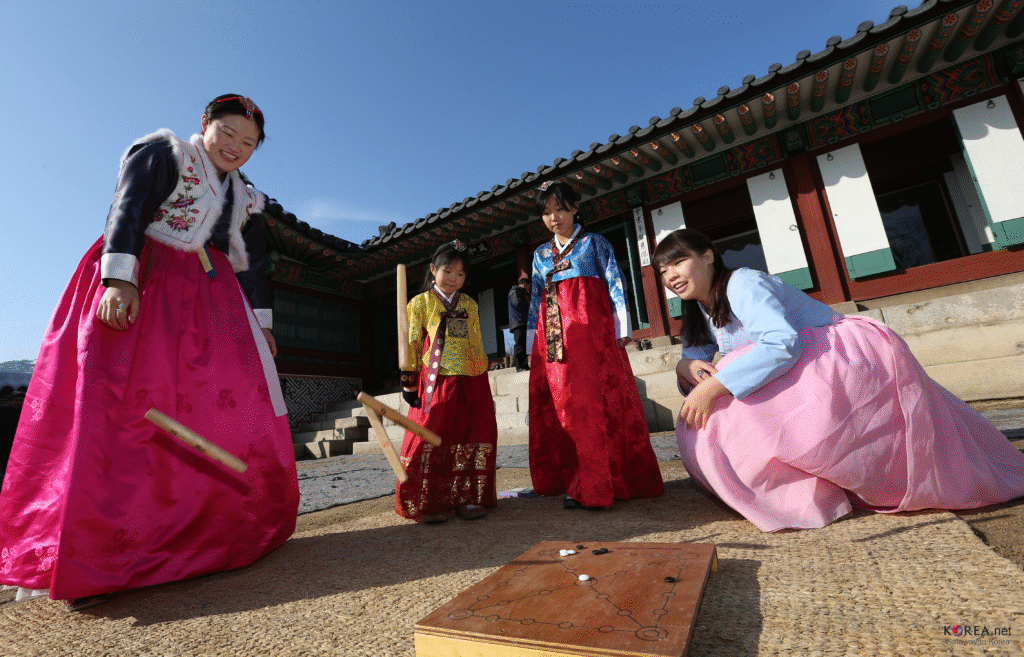
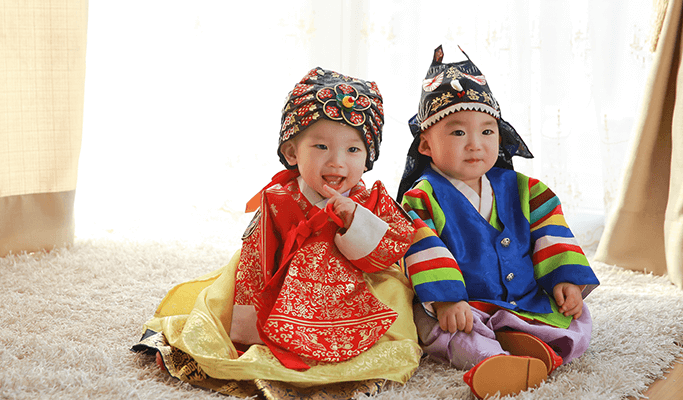
During Seollal, many Koreans wear Hanbok, the traditional Korean dress, especially while performing rituals and greeting elders. Hanbok, its bright colors and elegant design, symbolizing respect, purity, and celebration. Although not everyone wears Hanbok throughout the holiday, many families choose to wear it during Sebae or for family photographs to honor tradition.
Picture Credit: KOREA JOONGANG DAILY
Seollal is also a time for families to relax and enjoy traditional games together. These activities bring different generations closer and create a joyful atmosphere.
●Some popular Seollal games include:
○Yutnori – a traditional board game played with wooden sticks, enjoyed by all age groups
○Jegichagi – a game similar to hacky sack, usually played outdoors
Kite flying and other folk games
These games emphasize togetherness and fun, making Seollal not only meaningful but also enjoyable for everyone.
Public Celebrations and Modern Seollal
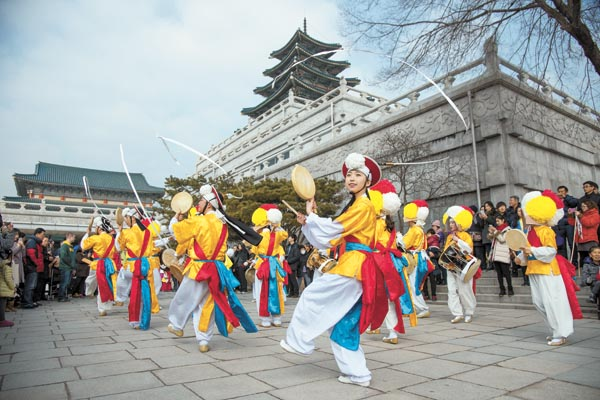
In addition to family gatherings, Seollal is also celebrated at a public and cultural level across South Korea. During this time, royal palaces, museums, and cultural centers organize special programs to help people experience traditional Korean culture. Many of these places offer free entry, traditional performances, folk games, and cultural workshops, making Seollal accessible to both locals and tourists.
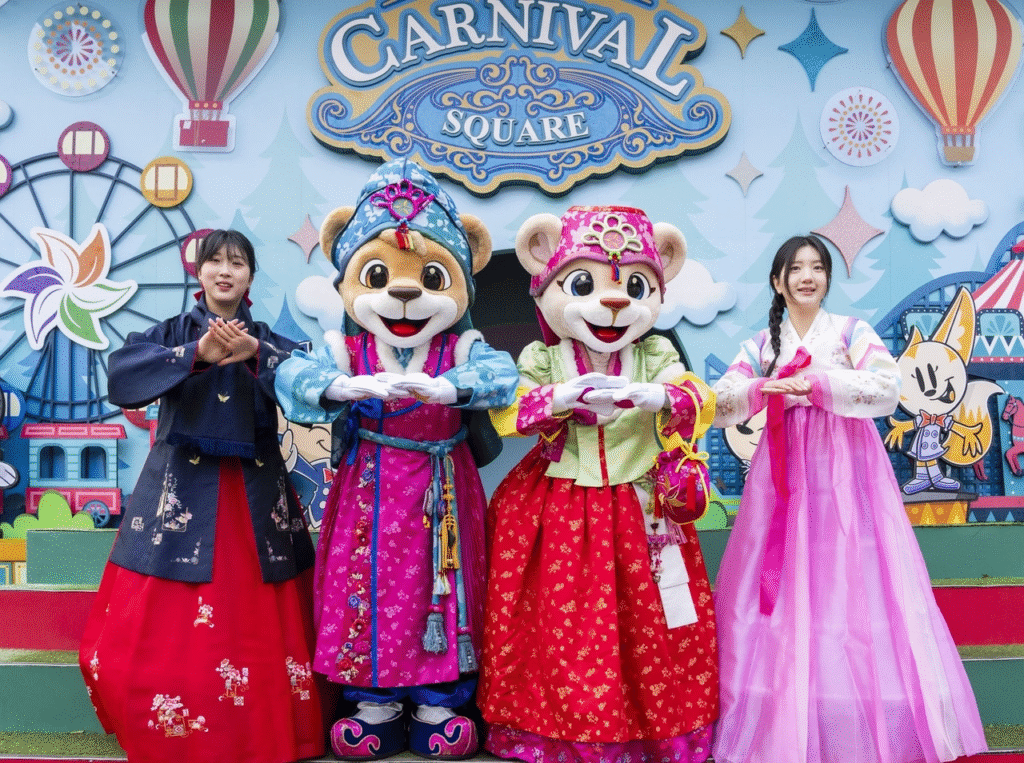
Picture Credit: THE KOREA HERALD
In modern times, the way of Seollal celebration has slightly changed. Some families choose to travel or celebrate in smaller gatherings, especially in urban areas. Digital practices such as online greetings and digital Sebae money transfers have also become more common. However, despite these changes, the core values of Seollal –family, respect, and tradition , remain strong.
Modern Seollal reflects a balance between traditional customs and contemporary lifestyles, showing how Korean culture adapts while preserving its roots.
Conclusion
Seollal is more than just the Korean Lunar New Year – it is a deeply meaningful festival that reflects South Korea’s cultural values and traditions. Through family reunions, ancestral rituals, traditional food, and customs like Sebae, Seollal emphasizes respect for elders, gratitude toward ancestors, and the importance of family unity.
Picture Credit: TRAZY BLOG
Even as modern lifestyles has a great influence on how is celebration of the festival, the essence of Seollal remains unchanged. It continues to connect generations, preserve cultural heritage, and mark a hopeful new beginning. Understanding Seollal provides valuable insight into Korean society beyond popular culture, highlighting the traditions and values that shape everyday life in South Korea.
Share it with your family and friends:
Read more on our website: