WRITER : CHIEMELA PRECIOUS ONINYECHI
EDITOR : SHIVRAJ PATEL
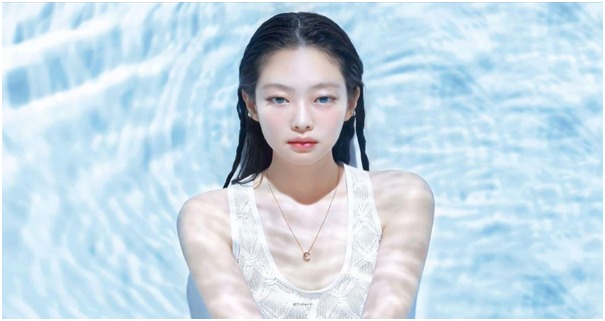
Picture Credit : Pinterest/Hera magazine
When you think of Korean skincare, images of glowing complexions, multi-step routines, and innovative products often come to mind. But behind these modern wonders lies a centuries-old secret, Korean traditional medicine, known as Hanbang. Rooted in herbal remedies, balance, and harmony, Hanbang has quietly shaped Korea’s approach to beauty for generations.
The Roots of Hanbang in Skincare
For over 2,000 years, Korean medicine has drawn on plants, minerals, and fermentation to heal the body from within. In skincare, this philosophy focuses on nourishing the skin deeply rather than masking imperfections. Ingredients like ginseng, green tea, and licorice root are not just chosen for their pleasant scent—they are packed with antioxidants, anti-inflammatory properties, and skin-repairing compounds.
Traditional healers believed that beauty was a reflection of inner health, and this belief still influences product creation today. Ginseng, for instance, was prized for boosting circulation and revitalizing tired skin. Green tea was valued for its cooling properties, helping calm irritation, while licorice root was known to brighten and even add skin tone naturally.
Nature Meets Innovation
What makes Korean skincare unique is how tradition and science work hand in hand. Modern cosmetic brands carefully study these ancient ingredients, using advanced extraction and fermentation methods to increase their potency.
For example, fermented ginseng extract penetrates skin layers more effectively, boosting collagen production and elasticity, as traditional healers promised centuries ago. Green tea extracts are now enhanced through micro-fermentation, increasing their antioxidant power. Even ingredients like rice water, used by royal court ladies, are purified and stabilized to maintain freshness and maximize benefits.
This marriage of heritage and high-tech research ensures that Hanbang-inspired products are not only culturally rich but also scientifically proven to work.
Cultural Beauty Rituals
In Korea, skincare is not rushed. Applying a mask or essence is considered a self-care ritual, much like drinking tea or meditating. This cultural mindset reflects the deeper Hanbang principle, beauty, they say, is a reflection of overall health, and patience yields lasting results.
In traditional households, skincare was a daily act of nurturing oneself. Herbal infusions were prepared for baths, facial massages were done to improve circulation, and natural oils were applied before sleep. Today, these habits are echoed in the famous 10-step Korean skincare routine, where layering products is not just about looks, but about care, mindfulness, and consistency.
The Global Appeal of Hanbang Skincare
As global consumers search for gentle, natural, and effective skincare, Korean medicine offers a blueprint. The clean beauty trend, which focuses on safe and plant-based ingredients, aligns perfectly with Hanbang’s philosophy. International brands are now taking notes, incorporating Korean herbs like mugwort, peony root, and schisandra berry into their lines.
Celebrities and beauty influencers also play a role in bringing these traditions to the spotlight. Videos showcasing ginseng serums, mugwort masks, or green tea essences often emphasize their cultural roots, helping global audiences appreciate the depth behind the products they use.
More Than Skin Deep
The lasting influence of Hanbang on modern skincare is not just about beauty—it’s about a way of life. It teaches that caring for the skin is inseparable from caring for one’s overall health. By combining herbal wisdom with cutting-edge science, Korea proves that the best beauty secrets are often found in history books and nature.
From ancient royal courts to today’s skincare shelves, Hanbang continues to shape what it means to glow truly. It’s a reminder that while trends may change, the harmony between tradition and innovation remains timeless.
Share it with your Family & Friends :