
Writer: Melisa
Editor: Arpita Jena
Introduction
South Korea stands at the peak of global cultural influence. K-pop, K-dramas, fashion, beauty, and food have captured worldwide attention. Beyond this success, the country faces a serious demographic challenge. In recent years, South Korea’s total fertility rate (TFR) has fallen to 0.7–0.8, according to World Bank data.
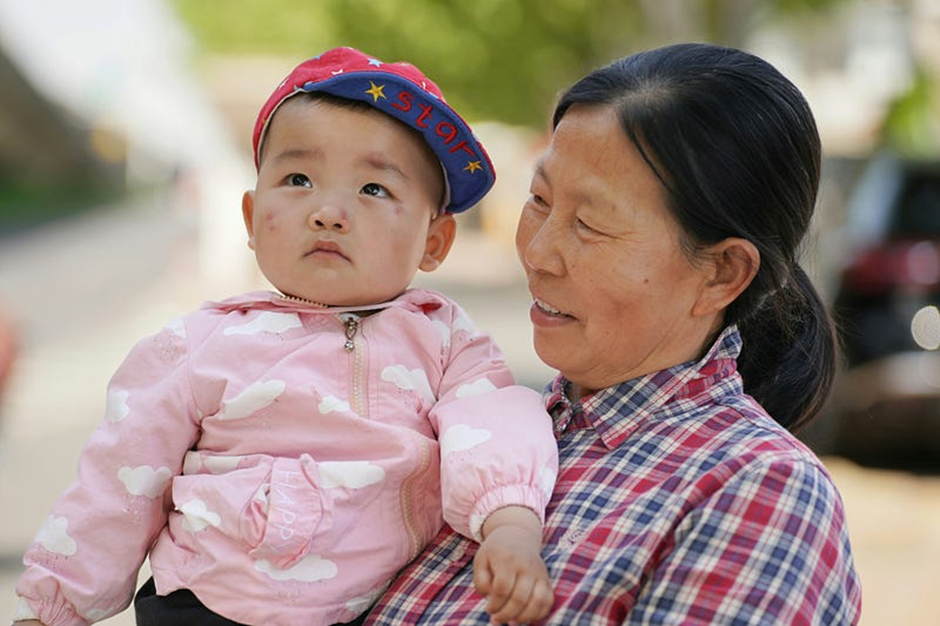
Picture Credit: Photo by nathan Q on Unsplash
For a developed nation, the replacement fertility rate is 2.1 births per woman. South Korea remains far below this level. This decline signals a shrinking population that could strain the economy. A smaller workforce, school closures, higher elderly dependency, and national security concerns may follow if the trend continues.
Historical Overview of Fertility Trends
Initially, South Korea has recorded childbirth data since 1925. These records reveal how policy and social change shaped fertility patterns. From the early 1900s to the 1960s, the TFR rose from 5.59 to 6.78. High infant mortality persisted due to the Second World War. Fertility outcomes improved later during the post-independence period.
In the 1960s, the government introduced birth control policies. As a result, the TFR fell from 5.99 to 4.62. During the 1970s, authorities promoted the two-child family model. This effort reduced fertility further from 4.50 to 2.90. The 1980s marked a sharper decline. The one-child family norm pushed the TFR from 2.57 to 1.56. By the 1990s, policymakers grew concerned. The fertility rate dropped from 1.71 to 1.43, worsened by the Asian Financial Crisis.
Between 2000 and 2020, the TFR declined again from 1.31 to 0.84. The government launched five-year Basic Plans for a Low Fertility and Aging Society. Although these plans strengthened parental support systems, they failed to meet fertility targets. Consequently, population control policies overshot their original goals. Over time, what began as a development strategy ultimately contributed to population decline.
Economic Pressures on Young Adults
For many young adults, parenthood raises one central question: “Can I provide a good life for my child?” Financial insecurity often shapes this doubt. Housing remains a major obstacle. Urban areas favor single-person housing. Family-sized homes come with extremely high prices. In many cases, housing costs consume over 50% of income.

Picture Credit: Photo by HorseRat on Unsplash
Job insecurity adds to this stress. Rapid industry changes and fear of layoffs make long-term planning difficult. Many couples hesitate to raise children under such uncertainty. Moreover, education costs also discourage parenthood. South Korea’s competitive academic system depends heavily on hagwons (private tutoring). These expenses create long-term financial pressure. Even paid parental leave creates anxiety. Many employees fear it may slow promotions or limit career growth.
Women’s Perspective on Marriage and Motherhood
South Korean women perform strongly in education and professional fields. As a result, many prioritize higher studies and career advancement. However, traditional expectations continue to place marriage, childcare, and domestic responsibilities mainly on women. Consequently, these norms often force women to choose between family life and career growth. Therefore, gender inequality remains visible both at work and at home. For this reason, marriage feels like an emotional and economic risk for many women, as it may limit personal freedom.
Picture Credit: Photo by Kamil Kalkan on Unsplash
Workplaces have improved maternity policies, yet old stigmas persist. Long work hours and high performance expectations remain common. At home, women continue to handle most household duties. This imbalance discourages marriage and childbearing. The fertility crisis reflects lived experiences, not just demographic data.
Changing Lifestyle Preferences
Modern lifestyles now emphasize mental well-being and personal fulfillment. Many people choose comfort, independence, and career satisfaction. Some prefer living with pets instead of raising children. Others reject traditional milestones such as marriage and parenthood. These choices reflect evolving values rather than social failure.
Delayed Marriage Trends
In South Korea, men marry at an average age of 33–34, while women marry at 31–32. Most people delay marriage until they achieve financial stability and career security. Late marriage shortens reproductive windows. This delay directly affects fertility outcomes, even among those who wish to have children.

Picture Credit: Photo by insung yoon on Unsplash
Future Demographic Consequences
South Korea has entered the stage of a super-aged society, with over 20% of its population aged 65 and above. A declining workforce threatens GDP growth. Pension systems face pressure as the number of retirees increases. Healthcare, defense, and productivity will suffer if imbalance continues.
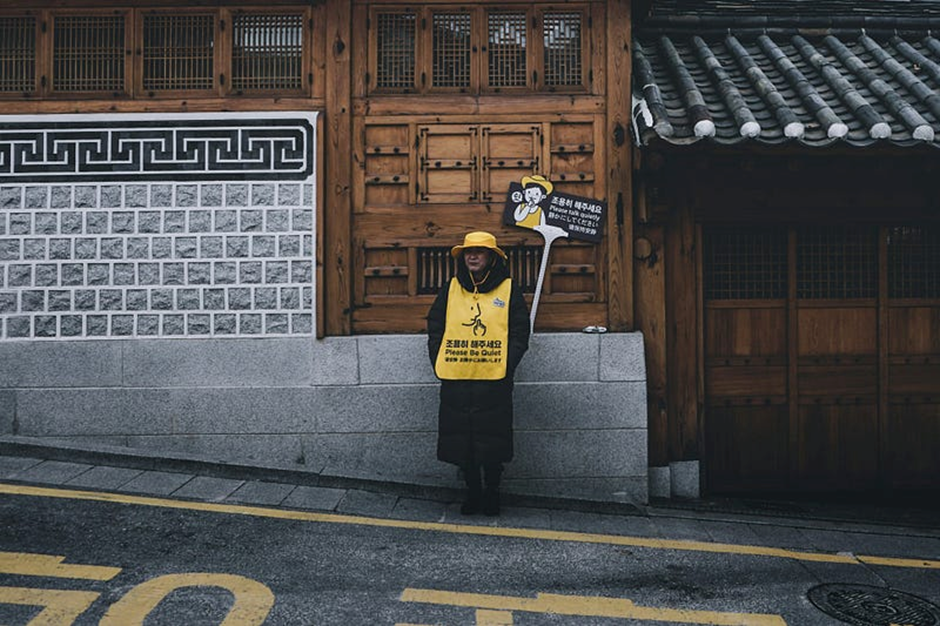
Picture Credit: Photo by Ammar Zainal on Unsplash
Government Policies and Interventions
In 2006, the government launched the Basic Plans on Low Fertility and an Aging Society. These five-year strategies addressed housing, childcare, parental leave, and work-life balance.
Moreover, authorities introduced cash incentives, tax benefits, and childcare subsidies. At the same time, companies began offering paid parental leave for both parents. In recent years, policies have increasingly encouraged fathers to take parental leave. Although these measures support early childcare, they provide limited long-term relief. Consequently, despite visible progress, fertility targets remain unmet.
Conclusion
Finally, from a state perspective, South Korea’s low fertility rate presents a national crisis. As a result, economic growth, labor supply, and social stability face serious long-term risks. On the other hand, from an individual viewpoint, the issue reflects shifting priorities. Today, people place greater value on happiness, autonomy, and personal success than on traditional expectations. Therefore, the solution lies beyond financial incentives alone. To move forward, South Korea must rethink its social structures and respect diverse life choices. Only then can sustainable change truly emerge.
Share it with your family and friends:
Read more on our website: