

WRITER : ALISHA NAAZ
EDITOR : SHIVRAJ PATEL
Care With Stories and Tech
Taking care of health is more than just facts and tests; it reaches deep. Every exam, finding, and plan tells a person’s life story — their feelings, fights, and life events. Narrative medicine taps into these tales, weaving them into care to make it feel more real. Health Information Technology (HIT) is changing this method by including these stories in medical care. Digital tools help to record, share, and study these stories with test results. This mix of care and tech makes sure treatment is both right and kind, treating the patient as a whole, not just a problem.
Why Patient Stories Matter
Narrative medicine shows that patients are not just cases or signs to handle, but people with their own tales that shape their well-being and healing. When caregivers truly hear these stories, they give care that is more tailored and kind, looking after both body and mind.
Yet, old care systems often fail to catch these stories well. Quick talks and broken chats can stop a deep understanding. This is where health IT can help.
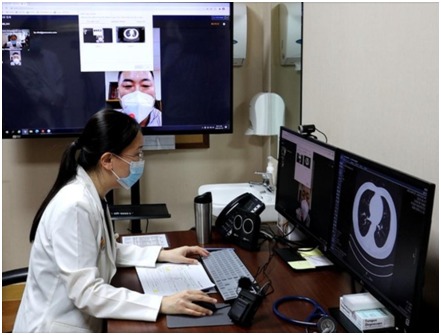
Kim A-reum, the director of the International Healthcare Center at Inha University Hospital, meets with a patient / Korea JoongAng Daily
Digital Stories: A New Way to Care
Health IT now lets patients share their tales through videos, voice, or written notes on safe apps. These let patients talk about their issues and feelings at their own speed.
This way of sharing is key in care from afar, where it’s hard to feel connected. By hearing a voice or seeing a face, caregivers can learn more than what tests show, closing the gap that remote visits bring.
Mixing Stories with Facts
One top thing happening is putting story data into Electronic Health Records (EHRs). Instead of just numbers, EHRs can now hold deep patient stories, giving doctors a clearer view of a person’s state.
For instance, someone with long-term pain might talk daily about how pain changes their sleep and mood. With this info, doctors can make plans that think about the real life of the patient, leading to better results.
AI and Words: Hearing the Unsaid
Today, health tech is doing a lot more than just keeping data and doing math. Its biggest use is mixing AI with deep word study to really get what patients say. Patients talk in ways that show not only facts but also feelings, hidden worries, and their own past. AI can look at talks, medical notes, and even small talks for clues about stress, sadness, worry, or early signs of health problems. These clues can show up before any real body sign does.
By spotting these things early, doctors and nurses can act quicker, change care plans, and give help for feelings as well as for health. AI doesn’t remove the human touch in care — it makes it better. The tech hears what the patient may not be able to say, showing needs we can’t see. This means no warning sign is missed just because it was hidden in how something was said. In the end, AI and word tech make a form of care that’s not just right and based on data but also very tuned into the human voice, making sure every patient feels listened to, understood, and fully cared for.
Issues and Care Needed
Involving digital tales in care has its own worries. Keeping patient secrets and ensuring a clear “yes” from them is key, mainly when their tales are saved online and can be passed around. Any break in secrets can hurt trust a lot, so the shields for privacy must be firm and see-through. Medics and care staff must also get right teaching to grasp, read, and use these tales fairly and clearly. Knowing cultural senses and being aware are vital to hold stories true to their roots. It is important to keep a good mix of tech gains and respect for personal tales to keep trust in health systems strong.
Future View
Merging tales with health tech gives good hope for health care in the future. It shows us that behind every digit, fact, or chart is a human whose tale counts. For those learning or stepping into health tech from various learning or cultural backgrounds, this mix offers a chance to blend feelings, talks, and new ideas for care that puts the patient first. It can get better at figuring out illnesses, planning for cure, and making an emotional link. In a world where tech often feels far or cold, digital tales can bring warmth and human touch, making health care not only sharp but also kind. This path could change the true meaning of “smart” care in future years.
Share it with your family and friends :