
Writer : Okeke Chinecherem Gift
Editor: Arpita Jena
Introduction
Sustainability is no longer a trend. Instead, it is a global necessity. Therefore, in simple terms, sustainability means meeting present needs without harming future generations. It balances environmental protection, social equity, and economic growth known as the Triple Bottom Line.
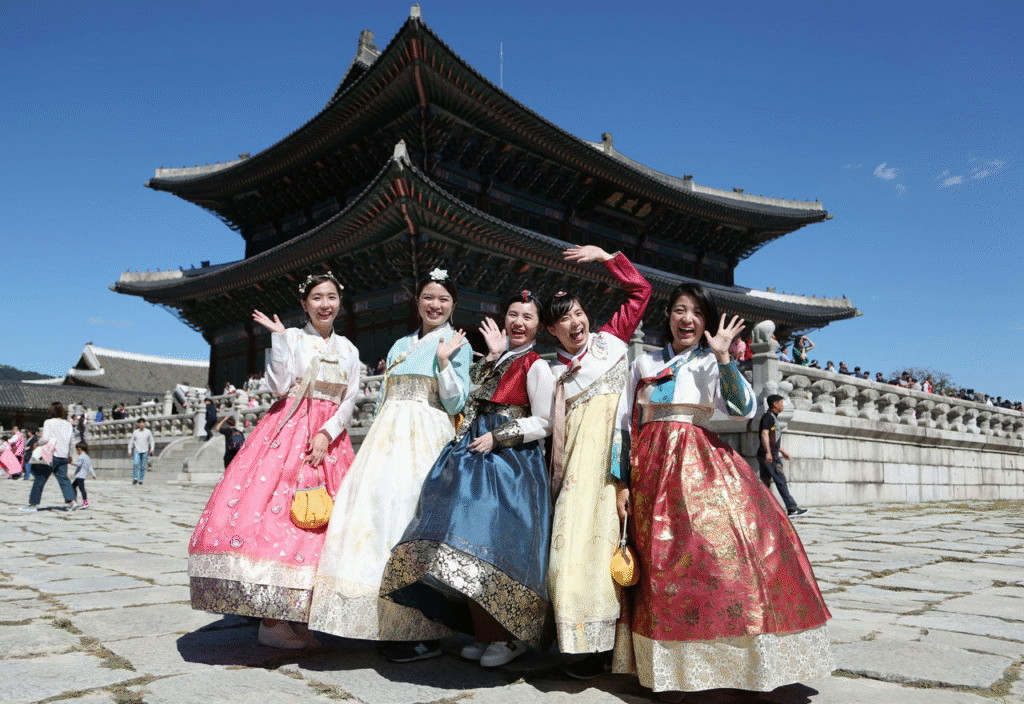
Picture Credit: THE KOREA HERALD
Similarly, sustainable tourism focuses on responsible travel. It reduces environmental harm while supporting local cultures and economies. At the same time, it ensures long-term benefits for host communities and travelers alike.
Why Sustainability Matters in Korean Tourism
Tourism plays a vital role in South Korea’s economy. However, rapid growth has increased challenges such as overcrowding, waste generation, carbon emissions, and pressure on natural resources. Therefore, the Korean government and tourism industry have taken strong steps toward sustainable tourism.
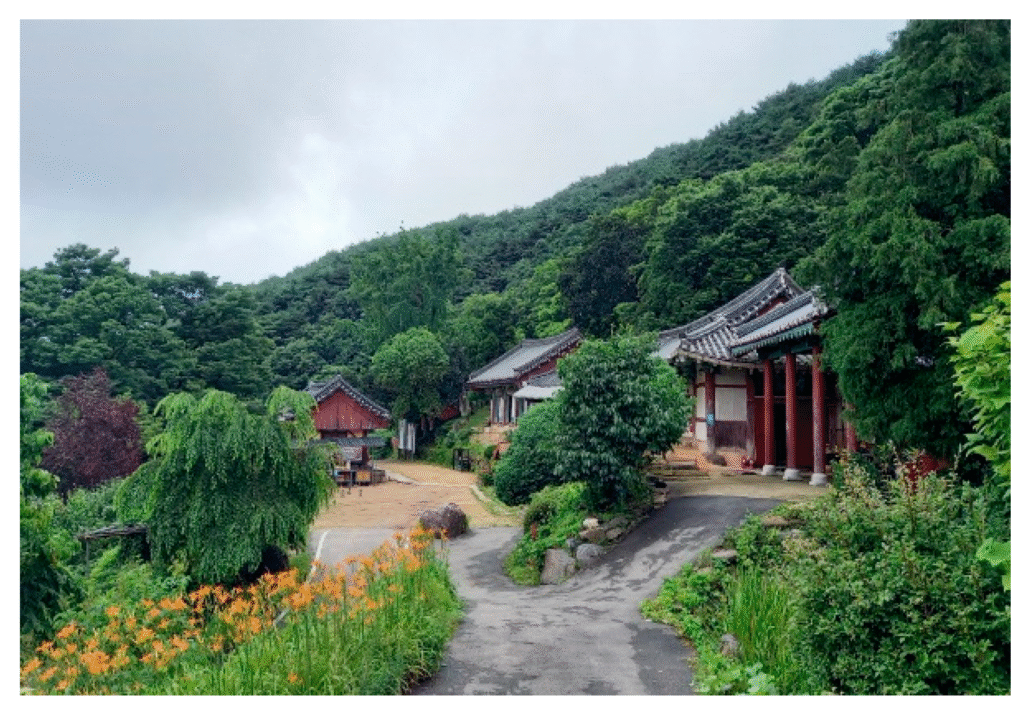
Picture Credit: MDPI
For example, South Korea has invested in green tourism projects, protected cultural heritage sites, and promoted eco-friendly hospitality. Moreover, the country has committed to achieving net-zero carbon emissions by 2050, encouraging tourism stakeholders to follow eco-certification and carbon offset programs.
Eco-Friendly Accommodations in South Korea
Many Korean hotels now prioritize sustainability.
The Shilla Jeju, a luxury hotel near the ocean, uses renewable energy and promotes responsible tourism practices.
Hotel Skypark Myeongdong 1, a 3-star hotel, focuses on waste reduction and offers organic products for guests.
Jeju Eco Suites, located near Jungmun Tourist Complex, uses eco-friendly materials and supports local environmental conservation.
Green Transportation Initiatives
South Korea also promotes sustainable travel through green transport.
Firstly, Seoul’s electric buses reduce air pollution and carbon emissions.
Secondly, Public bicycle rentals, launched in 2015, encourage short, eco-friendly trips.
Finally, KTX high-speed rail connects major cities efficiently, reducing reliance on cars and flights.
Conservation and Natural Protection
Seoraksan National Park protects biodiversity while offering eco-friendly hiking experiences. Visitors enjoy nature responsibly without harming the ecosystem.

Picture Credit: ONE PLANET NETWORK
Cultural Heritage and Community Engagement
Community-based tourism allows local residents to lead tourism activities. Homestays and cultural exchanges help travelers connect with villages directly. Historic sites like Gyeongbokgung Palace are carefully restored. Local guides enhance learning and cultural appreciation. In addition, tourists can join traditional cooking classes with local families.
Sustainable Dining Experiences
Sustainable food culture is growing across Korea.
Jipbashikdang, eco-friendly restaurants, focus on local and organic ingredients.
Gwangjang Market supports traditional vendors offering fresh, local food.
Meanwhile, plant-based cafés like Vegetus promote sustainable eating habits.
Conclusion
In conclusion, South Korea proves that tourism growth and sustainability can coexist. Through eco-friendly infrastructure, cultural preservation, and responsible travel, the country sets an example for sustainable tourism worldwide.
Share it with your family and friends:
Read more on our website:
To be honest this should be looked into because overcrowding is a big issue In korea
I have heard complaints from locals about overcrowding , it’s not funny
Same with Japan and if care is not taken , a bigger problem would arise
This should be discussed more frequently because it’s the same in Japan and locals are starting to hate tourists.
This should be discussed more frequently because it’s the same in many tourist destinations and locals are starting to hate tourists.
This should be discussed more frequently because it’s the same in many tourist destinations and citizens are starting to hate tourists.
Now people are starting to wake up to tourism problems
I read that UN mission for 2030 is all about sustainability in tourism