
WRITER : PRAYASI PRADHAN
EDITOR : SHIVRAJ PATEL
South Korea is a utopia for anyone with a sweet tooth. While the country is known for its spicy fried chicken, BBQ, and hotpots, its sweeter side is equally fascinating. Korean sweet treats stand out for texture variety, balance, focusing on natural sugars, cultural depth that are tied to festivals or traditions, and innovation.
1. Hotteok – The Heartwarming Winter Pancake
This crispy and chewy pancake is stuffed with a warm filling of brown sugar, cinnamon, and crushed nuts. There are a few varieties, such as green tea hotteok, which is infused with matcha powder for a delicate bitterness; yachae hotteok stuffed with glass noodles & vegetables; and ice-cream hotteok, pairing hot pancakes with cold scoops. Hotteok stalls are often run by older vendors who flip pancakes with the speed of lifelong experts.
2. Tteok – Chewy rice cakes
Korean sweets often rely on rice flour, giving a unique texture. These are chewy, sweet, and deeply tied to cultural celebrations. Notable varieties of tteok are songpyeon, crescent-shaped rice cakes filled with sweetened sesame seeds or red bean paste, eaten during Chuseok (harvest festival); hwajeon – pan cakes decorated with edible flowers, traditionally enjoyed during spring. These are often savoured with tea and symbolize prosperity, health, and happiness.
3. Bungeoppang
It is a fish-shaped pastry filled with sweet red bean paste, custard, or chocolate. Its golden crispy shell and creamy interior make it irresistible. The design is inspired by the Japanese taiyaki, but in Korea, it is considered lucky and playful.
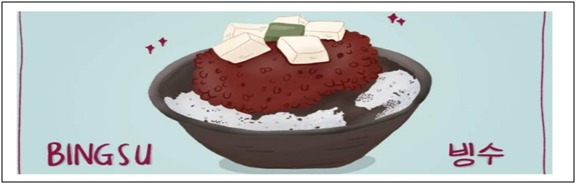
4. Patbingsu – Shaved ice dessert
In summer, this icy dessert takes center stage. Traditionally, it’s a bowl of shaved ice topped with sweetened red beans, rice cakes, fruits, and condensed milk. But currently café culture has transformed it into a luxury dessert, viz. fruit bingsu with strawberries, mango, or melon topping; cheesecake bingsu with cheesecake cubes & whipped cream; and matcha bingsu layered with green tea powder & sweet beans. Many servings are large enough to share with two or three people.
5. Yakgwa – traditional honey-soaked cookie
It is a deep-fried wheat pastry soaked in honey-ginger syrup. It typically includes flour and ginger juice, with a prominent flavour of sesame oil. Yakgwa is often served during special occasions like weddings, birthday celebrations, ancestral rites, and temple offerings. Its floral shape symbolizes good fortune.
6. Hangwa – traditional Korean confectionery
A general term embracing a variety of sweet treats made from grains, honey, and spices. It reflects Korean aesthetic values through its designs and craftsmanship. It includes various types such as dasik – pressed tea cookies in floral molds; gangjeong – crispy puffed rice snack with syrup; and yeot – a chewy, taffy-like candy often given as a good luck charm, especially to students before exams.
Picture Credit: https://images.app.goo.gl/KqGiJ9KRFjkx9XiL8
The Arrival of Modern Confections : –
Western-style bakeries became trendy during the late 20th century. Brands like Paris Baguette and Tous Les Jours now dominate the streets, offering: strawberry cream cakes for birthdays; sweet potato cakes; roll cakes filled with whipped cream or matcha cream. Unlike Western cakes, Korean versions are less sugary. Choco Pies – consisting of two small round cakes with marshmallow filling, all covered in chocolate , which became a cultural icon.
For decades, chocolate in Korea meant Pepero – a thin chocolate-covered cookie stick celebrated every November 11 on Pepero day as a romantic gesture or a way to show friendship. But in recent years, artisan chocolatiers have emerged, showcasing chocolate as an art form. Bean-to-Bar Artisans sourcing cacao from around the world & infusing flavours like yuzu, green tea, and omija berry; fusion flavoured chocolates with traditional ingredients e.g. sesame, roasted barley tea, or ginseng; tiramisu in a flower pot – served in mini pots with edible soil; and character macarons – shaped like popular K-drama or K-pop mascots etc. are the modern chocolate scene. Dessert cafes like Remicone are famous for their cotton candy ice cream. The Seoul Dessert Fair showcases the creativity of young bakers and confectioners.
From the warmth of hotteok to the refined elegance of artisanal chocolates, Korean sweets offer a journey through history, culture, and modern creativity. Desserts aren’t just an afterthought in Korea; they’re an experience, a tradition.
Share it with your Family & Friends :