
Writer: Tanvi Rana
Editor: Arpita Jena
India and Korea: A Spiritual and Cultural Bond Beyond Time
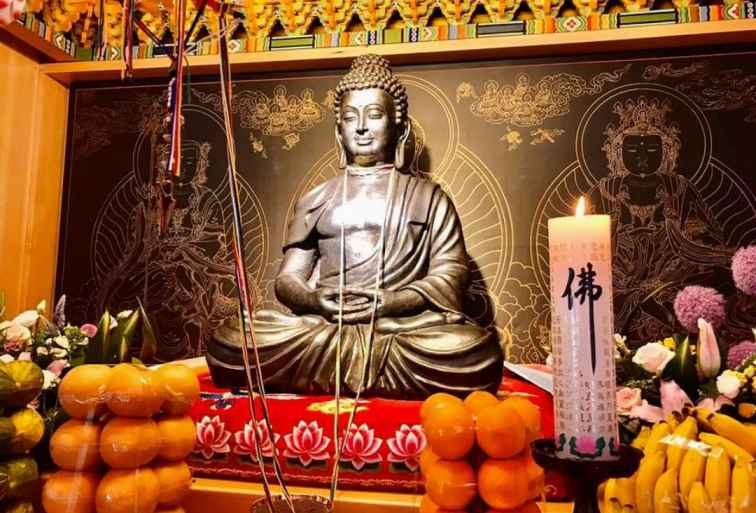
Across vast distances and ancient timelines, India and Korea have shared a connection that feels deeply spiritual. Their relationship did not grow only through diplomacy or trade. Instead, it evolved through shared values, cultural exchange, and a strong respect for faith and philosophy.
Picture Credit: ASIAN COMMUNITY NEWS
From the Indian idea of Karma to the Korean concept of Han, and from travelling monks to shared artistic traditions, both civilizations followed parallel paths. Even today, these similarities continue to echo across generations.
Nature as the First Teacher
Long before organized religions took shape, both societies looked to nature for meaning and guidance. In early Korea, shamanistic beliefs (무속신앙) honoured mountains, rivers, and ancestral spirits. People believed that the mountain spirit Sanshin (산신) protected life and maintained balance in nature.
Similarly, ancient Indian texts like the Vedas described nature as sacred. Rivers such as the Ganga, elements like Agni (fire) and Surya (sun), and many trees held divine importance.
In both cultures, spirituality blended naturally into everyday life. People did not separate faith from nature. Instead, they lived in harmony with it.
Humans built temples later. First, they learned to listen to the earth.
This shared respect for nature still shapes rituals and traditions in India and Korea today.
Karma and Han: Two Voices of the Human Soul
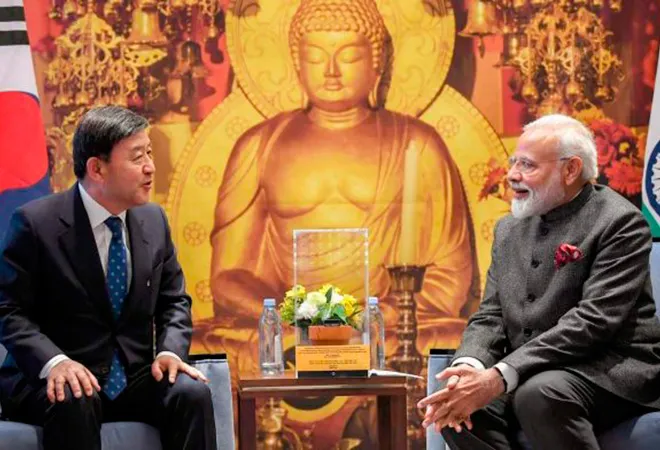
Although they come from different cultures, Karma and Han express similar human emotions. In Indian philosophy, Karma explains the moral law of cause and effect. Every action shapes future outcomes and personal growth.
Picture Credit: OBSERVER RESEARCH FOUNDATION
In contrast, Han (한) represents deep emotional endurance in Korean culture. It reflects unspoken sorrow, patience, resilience, and hope passed through generations. While Karma focuses on moral balance, Han focuses on emotional healing. Together, they form a philosophical bridge between justice and compassion.
Buddhism: The Spiritual Bridge Between India and Korea
The strongest spiritual link between India and Korea is Buddhism (불교). Buddhism began in India and later travelled across Asia, eventually reaching Korea, where it flourished. Korean monks journeyed to India in search of knowledge, while Indian monks carried teachings to the Korean peninsula.
One notable figure was the Korean monk Hyecho (혜초), who visited India around 723 CE and studied at Nalanda University. His travel record, Wang ocheonchukguk jeon (왕오천축국전), provides valuable insight into Indian society, rituals, and spiritual life of that era.
Moreover, Korea’s Seon (선) Buddhism, similar to Zen, grew from the Indian practice of Dhyana (meditation). Both traditions emphasized inner silence over external rituals.
Art, Trade, and Shared Aesthetics
Through ancient maritime trade routes, especially the Maritime Silk Road, India and Korea exchanged more than goods. They shared ideas, symbols, and artistic styles.
Archaeological findings show Indian beads, motifs, and lotus symbols in ancient Korean sites. Furthermore, architectural wonders like Seokguram Grotto (석굴암) reflect artistic styles similar to India’s Ajanta and Ellora caves. These shared designs reveal how art connected two civilizations without the need for words.
Princess Heo Hwang-ok: A Living Legend
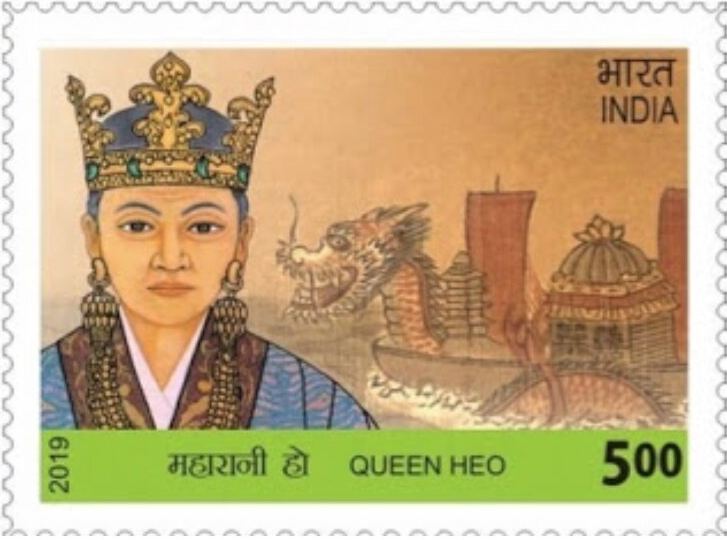
One of the most beloved stories linking India and Korea is that of Princess Heo Hwang-ok (허황옥 공주). According to legend, she travelled from Ayodhya, India, to Korea in 48 CE and married King Kim Suro (김수로왕) of the Gaya kingdom.
Picture Credit: WIKIPEDIA
Although historians debate the exact details, the story symbolizes courage, cultural harmony, and human connection. Today, both Ayodhya and Gimhae honour her legacy through memorials and cultural exchanges. Her journey reminds us that strong bonds form through trust, not conquest.
The Indo–Korean Bond in the Modern Era
Today, the relationship between India and Korea continues to grow through:
- Buddhist pilgrimages
- Student and academic exchanges
- Cultural festivals
- Research collaborations
- Rising interest in yoga and meditation in Korea
- Korean language studies in Indian institutions
Even now, the ideas of Karma and Han inspire both societies to seek balance and understanding.
Empires fall, but shared spirit survives.
Conclusion
Although oceans separate India and Korea, their histories connect through spirituality, art, philosophy, and people.
From the moral rhythm of Karma to the emotional depth of Han, from Buddhist travellers to a princess who crossed the sea, their shared story feels timeless.
As the Korean saying goes:
“진정한 인연은 바다를 건넌다.”
True relationships cross even the widest oceans.
Share it with your family and friends:
Read More on our Website: