
WRITER : ARPITA SINGH
EDITOR : PRACHI KANSHWAN
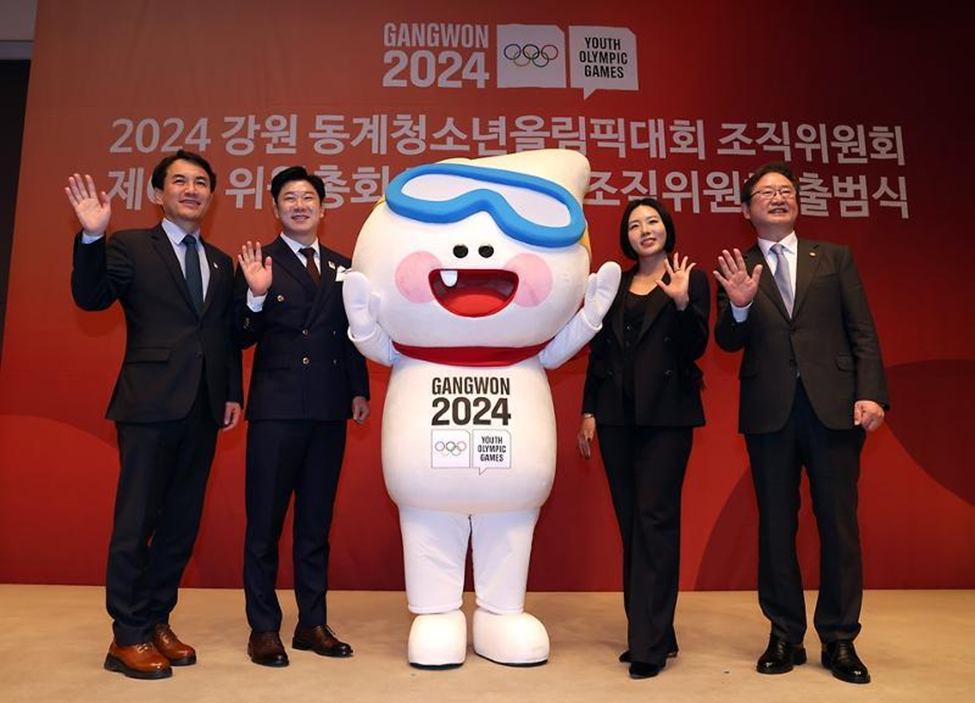
IMAGE CREDIT: KOREA.NET
The 2024 Winter Youth Olympic Games, the Gangwon 2024, was a global sports world first. It was held between January 19 and February 1 in South Korea’s Gangwon Province and was the first Asian-hosted Winter Youth Olympics. Not only an overlay to South Korea’s Olympic heritage, already having hosted the 2018 PyeongChang Winter Olympics, it was a youth, culture, and sporting success celebration in international sport.
The Gangwon Province was positioned naturally well to host the Games and had already invested in a behemoth infrastructure in PyeongChang 2018. Gangneung, PyeongChang, Hoengseong, and Jeongseon venues were reused to accommodate the competitions in a sustainable culture and good legacy. “Grow Together, Shine Forever” was the essence of these Games: gathering and uniting young athletes around the globe, educating and connecting them, and creating a long-lasting sporting and cultural legacy.
The size of Gangwon 2024 was humongous. Nearly 1,900 competitors from a record 79 nations participated in the seven sports and fifteen disciplines altogether, with a medal tally of 81 events. Though traditional winter sports such as skiing, skating, and ice hockey formed the core of the games, the Games also witnessed a transformation in shape and form. Mixed-National Olympic Committee events, which were a mainstay of previous Youth Olympics, were dropped to be replaced by mixed-sex events where athletes competed as their own nations. It pushed the event toward senior Olympic competition without sacrificing the diversity and distinction that give Youth Olympic Games their charm.
What was most striking about Gangwon 2024 was probably the role it played in adopting technology. Organizers also launched the first-ever metaverse of the Winter Youth Olympics, providing fans anywhere in the world with a sense of the Games virtually. The metaverse allowed fans to roam around virtual replicas of arenas, participate in interactive experiences, and even chat with fellow fans in six languages through automatic translation. The technology brought new access, along with the cyber culture to which young people are accustomed, and therefore, the event was virtually worldwide in reach.
The Games were a matter of colossal national pride for the host nation. South Korea fielded its largest-ever team with 102 competitors, and the returns were historic. So Jae-hwan took gold in men’s monobob bobsleigh to become the first Asian athlete to claim gold in an event of sliding sports at the Youth Olympics. Shin Yeon-su took bronze in the men’s skeleton, an Asian first in this very competitive sport. On the ice skating rinks, gold came to Kim Hyun-gyeom in men’s singles, the first South Korean male to win the gold at the Youth Olympic level. The women’s 3-on-3 ice hockey team brought home a silver medal, an achievement for the first time for a country that is not normally a hockey power. They were as much a declaration of South Korea’s sustained dominance of skating as its growing visibility in sports formerly underrepresented in the Olympics.
The opening ceremony opened the Games in much the same fashion it had begun, groundbreaking. It was hosted for the first time in two sites simultaneously: in the mountains at the PyeongChang Dome and along the coast at the Gangneung Oval. There were energetic performances of K-pop, reenactments of Korean life, and symbolic narration of “Woori,” which is Korean for “we” or “us.” The symbolism of shared belonging and togetherness was well in harmony with Olympic values of respect, friendship, and excellence. The two-venue idea also mirrored the cultural and geographical diversity of Gangwon Province itself.
The madness of the Games was also mirrored in the public response. Thousands of tickets were distributed, and seats to most of the more popular events were sold out within a few minutes. Officials even resorted to thinking about creating spectator space as a way of trying to meet demand, an indication of how well received the Games were. Inclusion of ticket vouchers at no cost meant that even more individuals, especially young people and families, had the opportunity to attend Olympic competition and experience a taste for winter sport via the local community.
In addition to competition, Gangwon 2024 left an even greater legacy through its focus on education, culture, and sustainability. Repurposing PyeongChang 2018 facilities emphasized the advantage of sustainable planning for mega-events in retaining world-class facilities in communities. The cultural program, with its interactive zones, youth ambassador missions, and learning workshops, encouraged Olympic values and offered young competitors a balanced experience beyond medals. Intercultural dialogue, world citizenship, and personal development were the priorities, concepts that have particular pertinence in a time when global cooperation is necessary but strained.
The Games also possessed broader symbolic significance. By hosting the Winter Youth Olympics for the inaugural time in Asia, Gangwon 2024 issued a deafening call for the emerging universality of winter sport. Formerly dominated by Europe and North America, the sports are now well established in Asia, with South Korea also leading in both hosting and performance. Such an expansion allows more athletes from countries with developing winter sport programs to travel to, injecting variety and creativity on the global stage. No great sporting event ever happens without its array of problems, of course.
Official organizers had to contend with inclement weather, logistical concerns, and coordinating the delivery of essentials to some 2,000 teen athletes. As important as it was to be in the interests of equity and players, a privilege to carry given that they were mostly teenagers being asked to juggle competing with coming of age, was that overall popularity of particular events was such that tickets sold out extremely quickly and supporters’ demand would sometimes exceed supply. The constraints of overcoming them were, nevertheless, bypassed with a pragmatic solution, and total results were an all-hands-on-deck achievement. As a whole, the 2024 Winter Youth Olympic Games in Gangwon were exemplary performances in sport, culture, and tech innovation.
They were a spectacle that had the youth of the world as its common denominator, solidified South Korea as a sporting global nation, and set a megaevent benchmark of inclusivity and sustainability. The Games lived up to their slogan, providing young participants with an opportunity to learn from and respect one another and light up their lights bright, blazing on forever, and calling the next generation to love rivalry and concord.
Video Credit: IOC Media
Share this with your Family & Friends: